Training the Robotic Workforce: Inside Toyota's $6.4B Annual Bet
On the assembly lines of one of the world's largest automakers, a unique kind of apprenticeship is taking place. Human workers are putting on specialized...
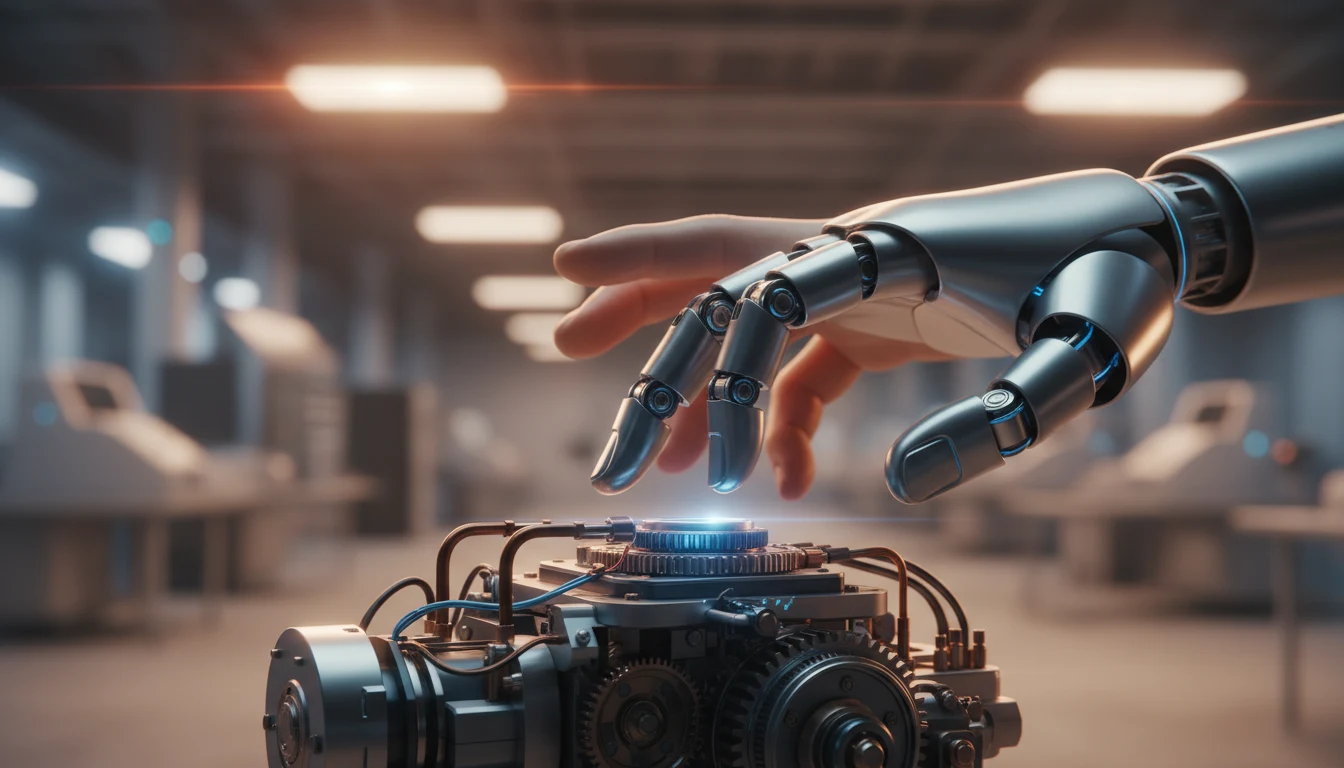
On the assembly lines of one of the world's largest automakers, a unique kind of apprenticeship is taking place. Human workers are putting on specialized finger "jigs" to teach their new, wheel-bound humanoid colleagues how to master the intricate hand movements required to build cars.
This hands-on training is the quiet beginning of a massive automation initiative at Toyota. Starting in 2028, the automotive giant plans to pour $6.42 billion annually into upgrading its manufacturing facilities. The ultimate goal is staggering: deploying a 400,000-strong factory robot workforce. According to reports, 150,000 of these machines will go directly to Toyota's own automotive plants, while the remaining 250,000 will be distributed across various group companies that manufacture essential components and materials.
The current trainees on the factory floor are humanoid robots known as ELEY. Rather than being bolted to the floor in a safety cage like traditional industrial arms, these machines roll around the factory on wheels, designed to operate in spaces traditionally occupied by humans. But what truly sets them apart is their need for human-like dexterity. Building a car involves thousands of precise, delicate tasks that rigid, pre-programmed machines struggle to perform. To overcome this, Toyota is relying on its most experienced asset: its human workforce. By having workers wear specialized equipment modeled after the robots' own fingers, the company is effectively translating human muscle memory, spatial awareness, and finesse into digital instructions. The workers are literally showing the robots how to do their jobs.
Naturally, the image of humans training their highly capable robotic counterparts raises immediate and uncomfortable questions about the future of employment. When a machine can replicate the precise hand movements of a veteran worker, what happens to the worker? A Toyota executive has publicly stated that this massive robotic push is not intended to directly replace human employees. Yet, the sheer scale of a 400,000-robot deployment makes it difficult to imagine a scenario where the human headcount remains entirely unaffected in the long run.
What we are witnessing is a fundamental shift in the nature of industrial work. The factory of the 2030s will likely not be entirely devoid of humans, but the human role is undeniably changing. Instead of performing repetitive manual labor, tomorrow's auto workers might serve as trainers, supervisors, and troubleshooters for a fleet of intelligent machines. They will manage the systems rather than turn the wrenches.
As companies like Toyota navigate this complex transition, they are writing the blueprint for the next industrial era. The challenge lies not just in perfecting the robotics, but in figuring out how society can balance the relentless pursuit of manufacturing efficiency with the livelihoods of millions of workers worldwide.
Key Points
- Toyota aims to deploy 400,000 factory robots, investing $6.42 billion annually starting in 2028.
- Human workers are training 'ELEY' humanoid robots using specialized finger jigs to teach precise hand movements.
- Despite the massive scale of the rollout, Toyota executives claim the initiative is not meant to directly replace human workers.
- The initiative highlights a shift in manufacturing where humans transition from manual laborers to robot trainers and supervisors.
Why It Matters
This initiative highlights a critical transition in global manufacturing where human expertise is digitized to train machines, setting a precedent for the future of industrial employment and human-robot collaboration.
Sources:
更多专栏

Your Next Coworker is a Blob That Orders Burritos
For decades, enterprise software has been synonymous with sterile dashboards, en...

The Midnight Bill: Why AI Agents Demand Hard Budget Caps
The dream of artificial intelligence is to have a tireless digital assistant wor...

Beyond Transformers: How Mamba is Rewriting the Rules of AI Memory
Think about how a human reads a sprawling, thousand-page fantasy series. You don...