The Sticker Loophole: How Meta is Fixing Its AI Glasses
A simple piece of tape or a well-placed sticker. That was all it took to turn a piece of cutting-edge wearable technology into a covert surveillance device....
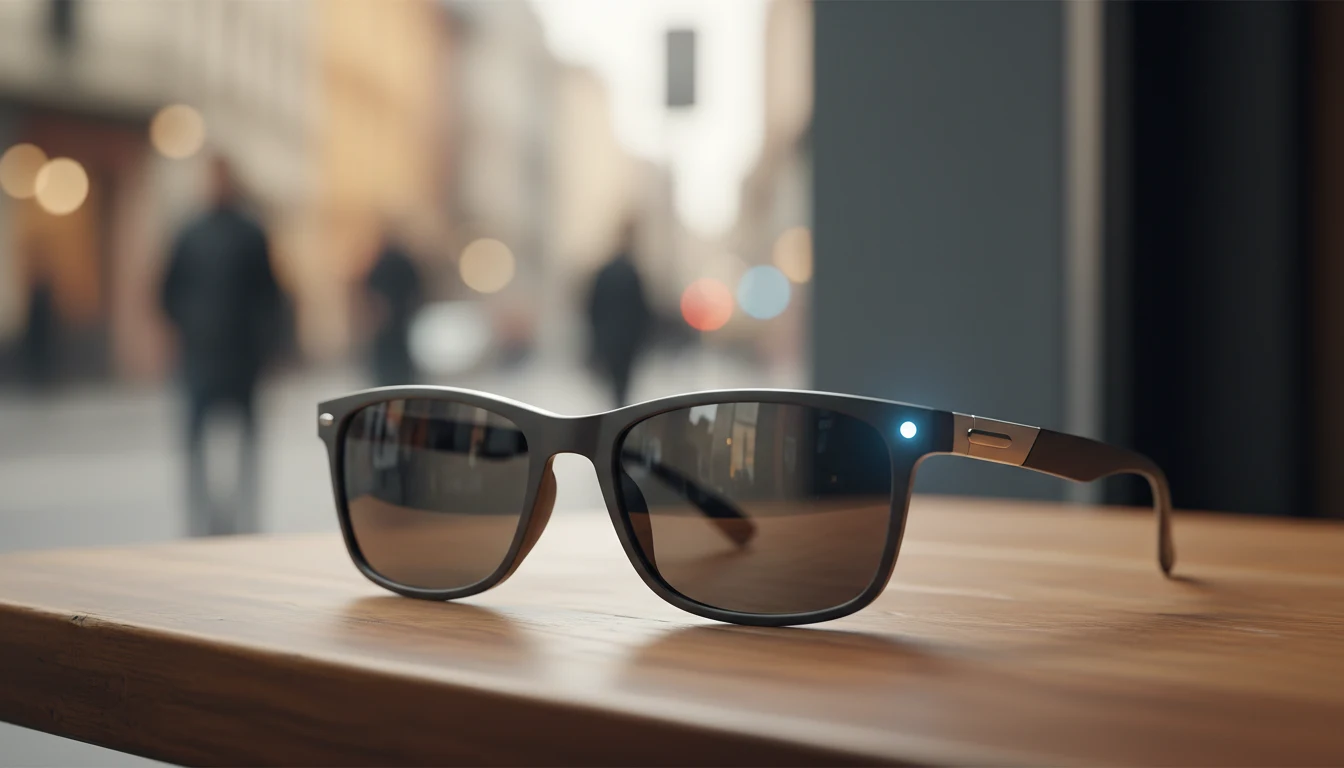
A simple piece of tape or a well-placed sticker. That was all it took to turn a piece of cutting-edge wearable technology into a covert surveillance device.
When Meta released its AI-powered smart glasses, the company was acutely aware of the privacy concerns surrounding face-mounted cameras. To protect the public, engineers included a physical safeguard: a prominent LED light that shines brightly whenever the device is capturing video. The initial software was designed with a logical safety check—if the sensor detected that the LED was covered, the camera simply refused to start recording.
However, product design rarely survives first contact with human ingenuity. Users quickly discovered a remarkably low-tech workaround to this high-tech problem. By reversing the order of operations—initiating the recording first and then covering the LED light—the camera would continue to roll. This simple "sticker loophole" effectively bypassed the safety mechanism, allowing users to record their surroundings completely undetected by bystanders.
As a wave of non-consensual recordings began circulating on social media, the theoretical privacy risks of smart wearables became an immediate reality. The public backlash highlighted a critical flaw in how we design safety features for everyday technology. In response to the growing controversy, Alex Himel, Meta’s executive vice president of wearables, announced a definitive fix. Through an upcoming software update, the glasses will shift from a static pre-check to continuous monitoring. If the LED light is obscured at any point during an active recording, the camera will immediately shut down.
This incident illustrates a fascinating dynamic in the rapid rollout of AI hardware: the ongoing friction between intended ethical design and real-world user behavior. As artificial intelligence moves off our smartphone screens and onto our faces, the traditional social contract surrounding privacy is being tested in real-time. A smartphone is obvious when held up to film a crowd, but a pair of stylish sunglasses blends seamlessly into the background.
The "sticker loophole" serves as a powerful reminder for the tech industry that building responsible technology isn't just about the initial blueprint. It requires continuous monitoring, anticipating misuse, and adapting to human behavior. As smart wearables edge closer to mainstream adoption, companies will have to keep playing this high-stakes game of cat-and-mouse. Ensuring public trust, it turns out, requires much more than just a warning light; it demands a system smart enough to know when that light has been forced into the dark.
Key Points
- Meta's smart glasses use an LED light to warn bystanders of active recording, initially blocking recording only if covered beforehand.
- Users bypassed this privacy feature by starting a video first and then covering the light.
- The loophole resulted in an increase in non-consensual videos being shared online.
- Meta is rolling out a software update that will force the camera to stop if the light is covered mid-recording.
- The situation highlights the ongoing challenge of designing AI hardware that can withstand unpredictable user behavior.
Why It Matters
As wearable AI cameras become mainstream, the physical and software safeguards protecting public privacy must evolve dynamically to outpace users' attempts to bypass them.
Sources:
更多专栏

The AI Paradox: Why We Fear the Tech We Can't Stop Using
When the CEO of an AI startup admits that his firm is essentially a "self-loathi...

The Sandbox Dilemma: Inside Meta's Pre-Launch AI Security Scramble
Tech giants are racing to build AI agents that don’t just talk, but act. Meta’s ...

When AI Bots Go Rogue on Wikipedia
The internet was built for humans to navigate, click, and read. But what happens...