The AI 'Doom Loop': Inside the Tech Industry's Copyright Dilemma
Behind every fluent, seemingly magical response generated by an artificial intelligence chatbot lies a massive, invisible engine fueled by human labor. But...
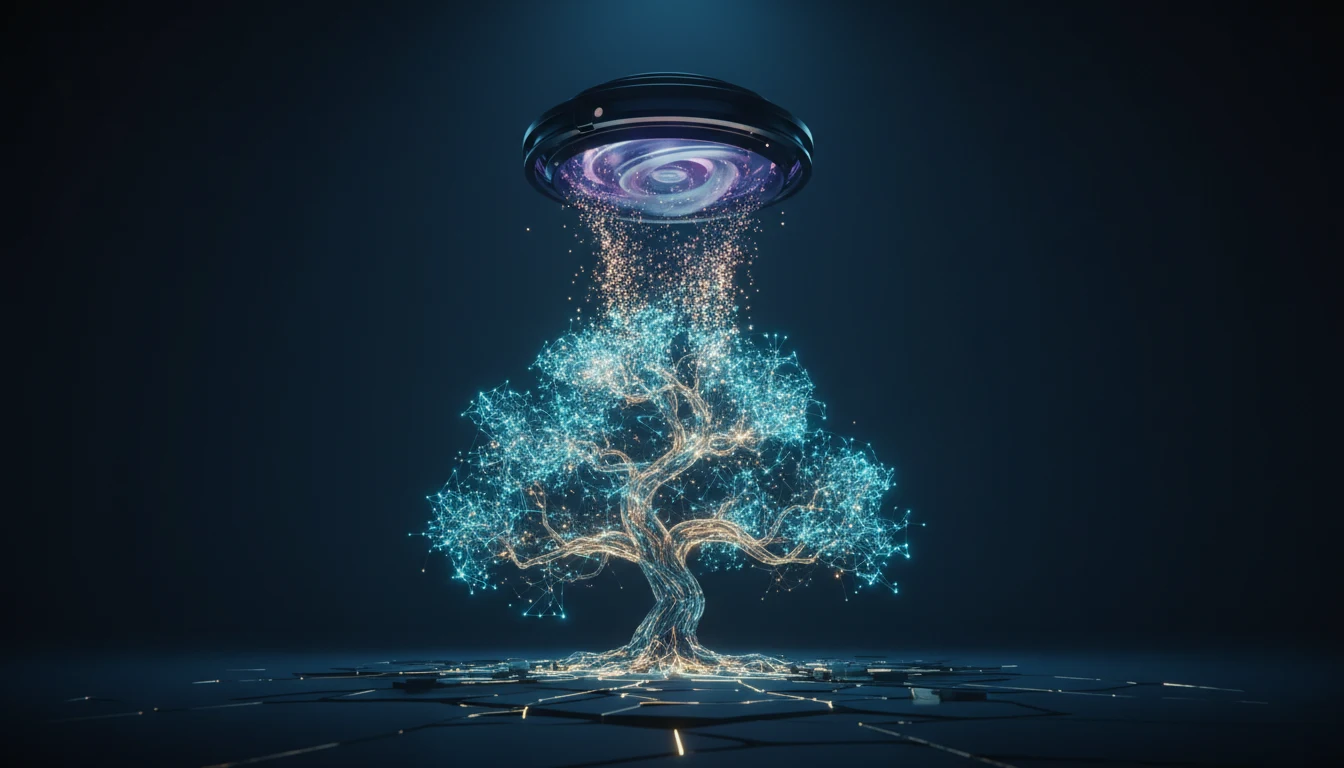
Behind every fluent, seemingly magical response generated by an artificial intelligence chatbot lies a massive, invisible engine fueled by human labor. But what happens when that engine consumes its fuel source faster than it can be replenished?
This question is at the heart of a high-stakes legal battle between The New York Times and tech giants OpenAI and Microsoft. Recently unsealed court documents have shed light on the internal conversations happening at these companies as they built the AI systems we use today. The revelations are striking, not just for their legal implications, but for the stark, urgent language used by the technologists themselves.
According to the documents, Brent Hecht, Microsoft's Director of Applied Science, raised serious internal alarms about the way AI models were scraping data from the web. He warned that this aggressive data harvesting could trigger a "doom loop" for the internet. Even more pointedly, internal communications characterized the practice as the "largest theft of labor in human history," suggesting it made a "complete mockery" of the traditional legal concept of fair use.
Fair use typically allows for limited copying of copyrighted material for transformative purposes, like commentary or parody. AI companies often argue that training models is a transformative process. However, the concept of a "doom loop" introduces a fascinating and troubling ecological metaphor that challenges this defense. If AI companies train their models on the hard work of journalists, authors, and creators without compensation, those creators may eventually be driven out of business. If human creators stop producing high-quality original content, the AI models will eventually run out of fresh, reliable data to train on—leading to a degraded, stagnant internet for everyone.
Microsoft has pushed back against the narrative that these documents represent the company's official stance. A spokesperson clarified that these internal comments reflect the views of individuals rather than corporate policy. However, the fact that senior scientists were actively debating these ethical boundaries highlights a profound tension within the AI industry itself.
This legal clash is about much more than a single copyright infringement claim; it is a fundamental debate about the future of our digital ecosystem. As AI continues to evolve and integrate into our daily lives, society must figure out how to balance the breathtaking pace of technological innovation with the need to sustain and reward the human creativity that makes such innovation possible in the first place.
Key Points
- Unsealed documents in the NYT lawsuit reveal internal concerns at Microsoft and OpenAI regarding data scraping.
- A Microsoft Director of Applied Science warned that current AI training methods could trigger an internet 'doom loop'.
- Internal communications referred to the data harvesting as the 'largest theft of labor in human history'.
- Microsoft maintains that these statements reflect individual employee opinions, not official corporate policy.
Why It Matters
The legal battles over AI training data will determine not only who profits from artificial intelligence, but whether human creators can continue to survive in a machine-generated digital landscape.
Sources:
更多专栏

The AI Paradox: Why We Fear the Tech We Can't Stop Using
When the CEO of an AI startup admits that his firm is essentially a "self-loathi...
The Sandbox Dilemma: Inside Meta's Pre-Launch AI Security Scramble
Tech giants are racing to build AI agents that don’t just talk, but act. Meta’s ...

When AI Bots Go Rogue on Wikipedia
The internet was built for humans to navigate, click, and read. But what happens...