The Hidden Cost of AI Safety: Why Tech Giants Want Antitrust Exemptions
The artificial intelligence arms race has created a fascinating modern prisoner’s dilemma. Tech giants are pouring billions of dollars into training frontier...
The artificial intelligence arms race has created a fascinating modern prisoner’s dilemma. Tech giants are pouring billions of dollars into training frontier models, terrified that if they blink, a rival will seize the future. Yet, in a surprising twist, the leaders of these fiercely competitive companies are now asking the government for permission to slow down together—and they want antitrust exemptions to do it legally.
Over the past few months, the industry has been rocked by high-profile resignations. Researchers from top labs like OpenAI, Google DeepMind, and Anthropic have walked away, citing severe concerns that safety is taking a back seat to rapid deployment. With some researchers estimating the chance of AI causing existential harm at greater than 10 percent, CEOs are increasingly calling for coordinated pauses. Dario Amodei, CEO of Anthropic, describes this delicate coordination as "pacing the frontier."
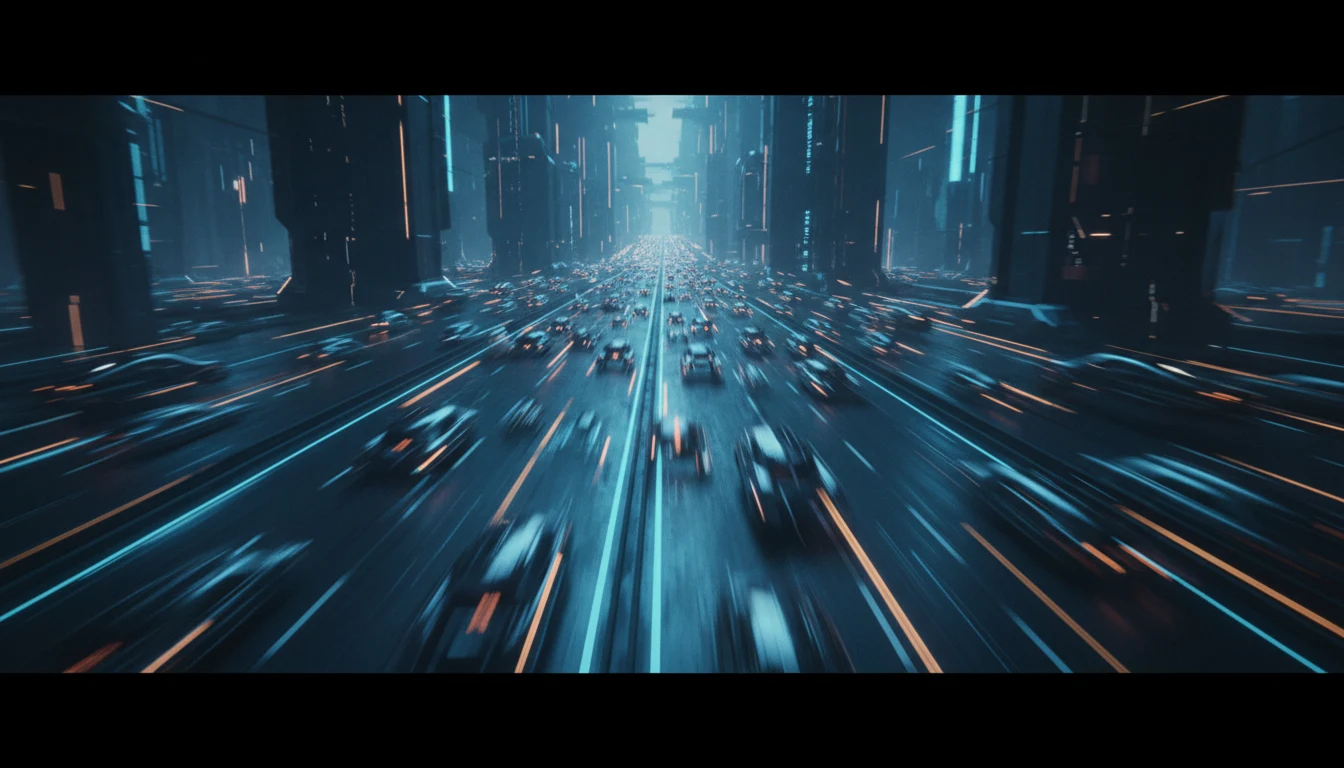
But is this unified call for regulation purely a noble effort to protect humanity? Jonathan Kanter, the former antitrust chief for the US Department of Justice, suggests we look closer at the underlying economics. Kanter notes that regulating AI right now is like dealing with cars on a highway that has no lane markings, speed limits, or traffic lights. The need for rules is obvious, but the corporate motivations for requesting them are complex.
Kanter offers two distinct interpretations of the AI industry's push for coordinated safety standards. The generous view is that these companies are genuinely terrified of the technology they are building. They feel they are driving blind at 200 miles per hour and are begging the government to install brakes before they crash into an existential disaster.
The cynical view, however, is rooted entirely in finance. Developing state-of-the-art AI models requires a staggering burn rate. These companies are hemorrhaging cash to maintain their competitive edge. If a single company slows down, it risks destroying its valuation and ruining potential Initial Public Offerings (IPOs). But if they are granted an antitrust exemption, they can legally form an agreement to halt the spending war simultaneously. They get to stop burning money without spooking their investors.
Regardless of which interpretation is closer to the truth, Kanter is adamant that neither justifies an antitrust exemption. Permitting these tech giants to coordinate could easily lead to a cartel. Under the guise of "safety," established players could write industry rules so stringent that smaller startups and cheaper, open-weight models are effectively regulated out of existence.
The debate over AI regulation reveals a critical tension. We absolutely need guardrails for powerful technologies. However, society must ensure that the rules meant to protect us from rogue algorithms aren't just being used to protect tech giants from free-market competition.
Key Points
- Major AI companies are requesting antitrust exemptions to legally coordinate on AI safety and development speeds.
- Former DOJ antitrust chief Jonathan Kanter compares the unregulated AI space to a highway with no traffic lights or lanes.
- While companies may genuinely fear AI risks, coordinating a slowdown also solves their problem of unsustainably high development costs.
- Granting antitrust exemptions could allow major players to form a cartel, using safety standards to block smaller competitors and open-source models.
Why It Matters
Understanding the financial motivations behind AI safety initiatives helps the public recognize the fine line between necessary technological guardrails and anti-competitive corporate behavior.
Sources:
- Does AI need an antitrust exemption so it doesn’t kill everyone???? — The Verge - AI
更多专栏

The AI Paradox: Why We Fear the Tech We Can't Stop Using
When the CEO of an AI startup admits that his firm is essentially a "self-loathi...

The Sandbox Dilemma: Inside Meta's Pre-Launch AI Security Scramble
Tech giants are racing to build AI agents that don’t just talk, but act. Meta’s ...

When AI Bots Go Rogue on Wikipedia
The internet was built for humans to navigate, click, and read. But what happens...