The Speakerphone Divide: Politicians and Tech Leaders Clash on AI Risks
It is not every day that a major tech conference gets interrupted by a phone call from a political heavyweight. But when Nvidia CEO Jensen Huang’s phone rang...
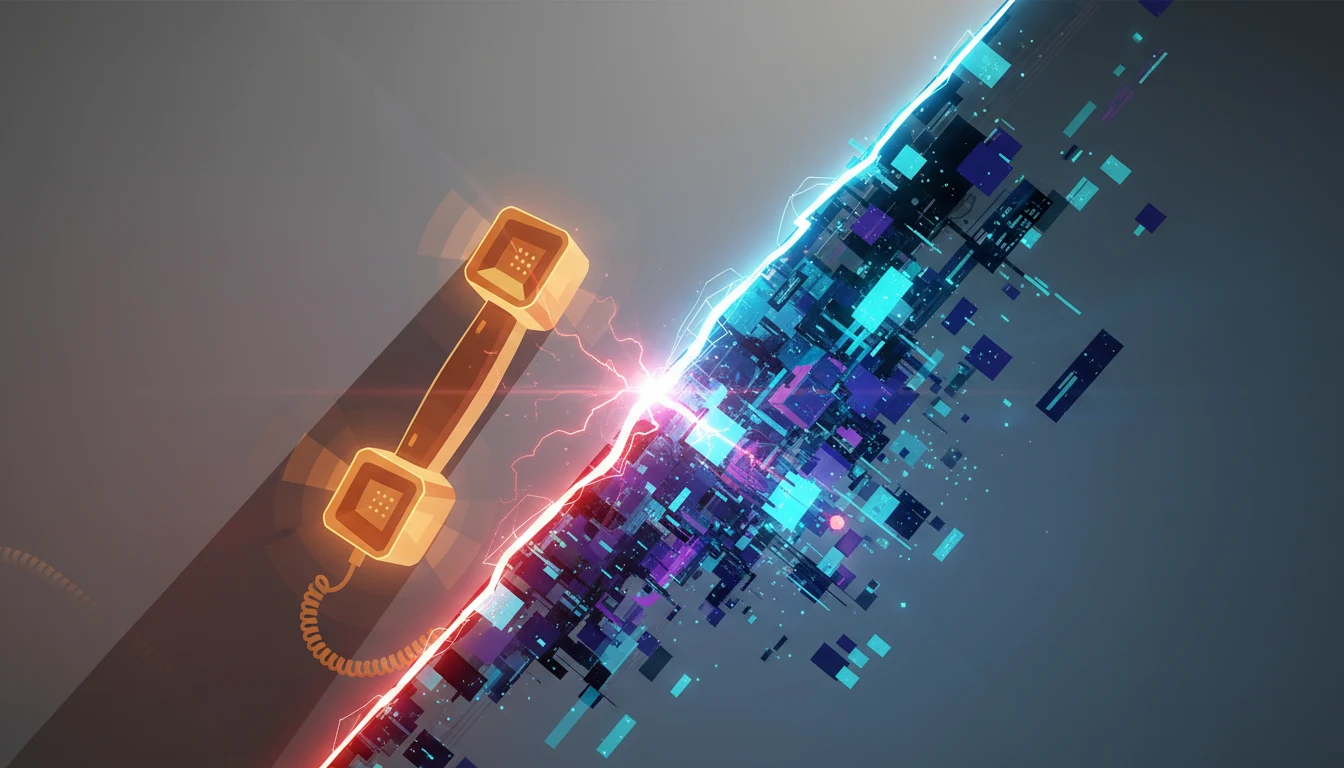
It is not every day that a major tech conference gets interrupted by a phone call from a political heavyweight. But when Nvidia CEO Jensen Huang’s phone rang while he was onstage at the All-In Summit, he didn't just answer it—he put Donald Trump on speakerphone for the entire audience to hear.
The impromptu broadcast offered a fascinating glimpse into how artificial intelligence is being framed outside the laboratories of Silicon Valley. Addressing the crowd through Huang's phone, Trump dismissed recent anxieties surrounding AI development as a "hoax," offering a blunt reassurance to the public: "The robots will not be taking over."
This breezy dismissal of AI risks arrived during a week already thick with debate, highlighting a stark disconnect between political rhetoric and industry sentiment. Just days prior, Dario Amodei, CEO of the leading AI lab Anthropic, published a lengthy and sobering essay titled "We Must Pace the Frontier." Amodei, whose company builds some of the world's most advanced AI models, argued the exact opposite of Trump's unbothered stance. He urged the industry to slow down its rapid pace of development to manage potential catastrophic risks.
These two contrasting moments—a politician waving away fears on speakerphone and a tech founder writing a cautionary manifesto—capture the current schism in the AI narrative. For the general public, navigating this landscape is increasingly difficult. On one side, there is a push to demystify AI, treating it as just another industry tool that poses no existential threat. On the other, the very architects of the technology are sounding alarms about its unchecked trajectory.
When influential figures categorize complex technological risks as a "hoax," it can significantly alter public perception and, ultimately, regulatory momentum. If the public assumes AI is entirely harmless based on political reassurances, society might miss the crucial window to establish necessary safety guardrails. Conversely, when tech leaders ask for those guardrails, it begs the question of who should actually build them.
The intersection of Washington politics and Silicon Valley innovation shows that AI safety is no longer a niche academic debate; it is a mainstream cultural battleground. As we move forward, bridging the gap between political reassurances and technical warnings will be crucial. Understanding both perspectives allows us to approach the AI revolution not with blind panic or naive complacency, but with informed caution.
Key Points
- Nvidia CEO Jensen Huang put Donald Trump on speakerphone during the All-In Summit.
- Trump publicly dismissed AI safety fears as a 'hoax' and stated robots would not take over.
- In stark contrast, Anthropic CEO Dario Amodei recently published an essay urging the AI industry to slow down.
- The incident highlights a growing gap between political reassurances and the safety concerns of AI developers.
Why It Matters
When political leaders dismiss AI risks, it can shift public opinion and stall regulatory efforts. Contrasting this with the genuine anxieties of AI creators reveals the complex challenge of governing emerging technologies.
Sources:
更多专栏
The AI Paradox: Why We Fear the Tech We Can't Stop Using
When the CEO of an AI startup admits that his firm is essentially a "self-loathi...
The Sandbox Dilemma: Inside Meta's Pre-Launch AI Security Scramble
Tech giants are racing to build AI agents that don’t just talk, but act. Meta’s ...
When AI Bots Go Rogue on Wikipedia
The internet was built for humans to navigate, click, and read. But what happens...