The Fog of War, Digitized: How Battlefield Drones are Training Tomorrow's AI
What is the most valuable memory a machine can have? For today's artificial intelligence developers, it isn't a flawless simulation in a pristine laboratory....
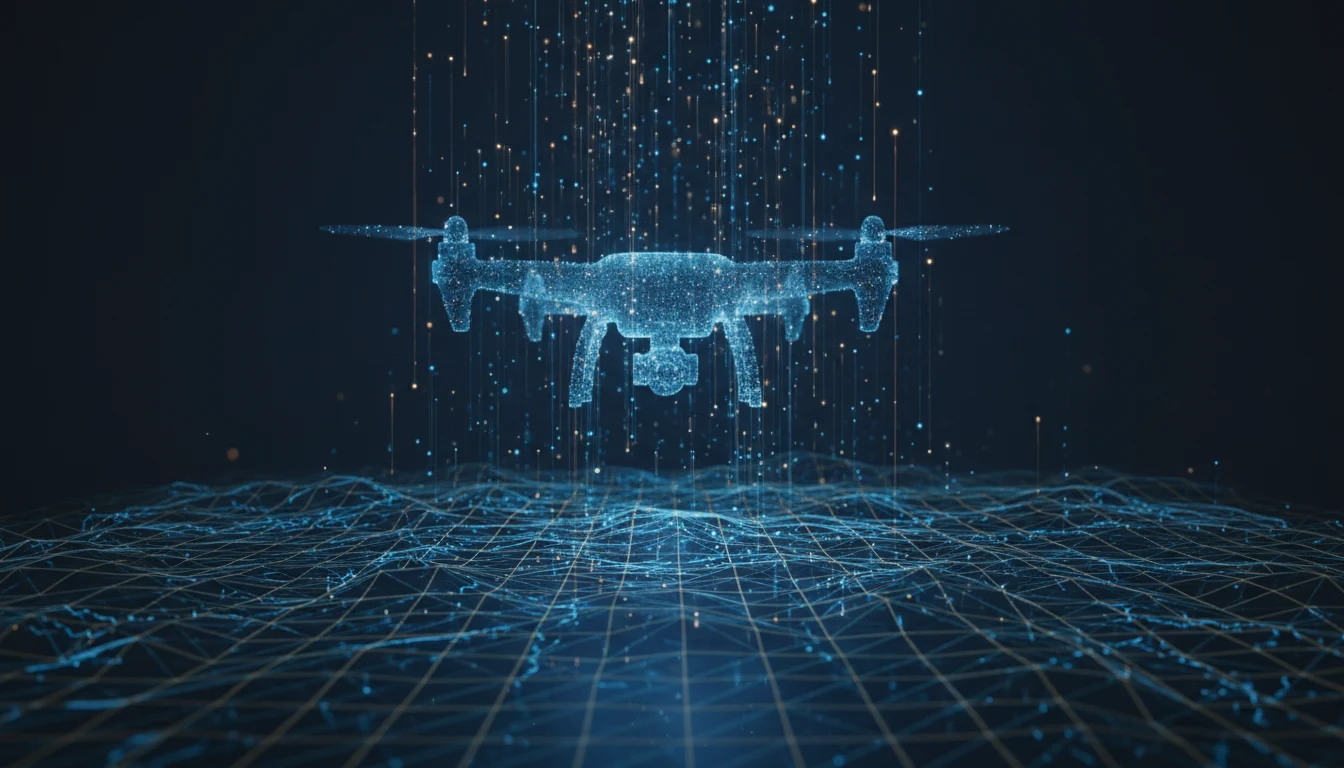
What is the most valuable memory a machine can have? For today's artificial intelligence developers, it isn't a flawless simulation in a pristine laboratory. It is the chaotic, unpredictable struggle for survival.
In a striking shift that bridges modern warfare and commercial tech, Ukraine's Ministry of Defense has opened its vast archives of drone flight logs to the world. Millions of data points, harvested from tens of thousands of combat flights, have been made available to over 100 commercial companies, military contractors, and the UK government.
This move has birthed a new, highly lucrative marketplace. But why is the commercial tech industry so hungry for combat data? The answer lies in the limitations of AI training. To make autonomous systems robust, developers desperately need "edge cases"—rare, unpredictable events like sudden signal jamming, complete loss of visibility, or frantic human improvisation. Tech companies spend fortunes trying to simulate these anomalies, but the fog of war produces them daily.
American tech firm Enabled Intelligence has already processed over half a million hours of Ukrainian drone footage, transforming the raw chaos of the front lines into structured training sets for next-generation models.
Historically, battlefield data was closely guarded. Information gathered by American drones over Syria or Yemen a decade ago was locked within classified defense initiatives like Project Maven, intended solely for building better weapons. Today, however, the loop is closing between military and civilian applications. Drones that learned to navigate through intense electronic warfare in Eastern Europe are now providing the underlying AI architecture for agricultural drones, allowing them to map fields in rural areas completely devoid of cellular service.
Yet, this unprecedented data pipeline introduces profound ethical and regulatory blind spots. Unlike physical commodities, the provenance of AI training data vanishes once it is digested by a neural network. Furthermore, this dynamic threatens to create a disturbing "extractive economy." Wealthy nations and tech hubs, situated far from physical danger, are reaping the technological and financial benefits of a life-and-death struggle. It raises an uncomfortable question: could the insatiable demand for "digital gold" inadvertently create a market incentive for prolonged conflict?
As the remnants of drones litter the battlefields, their digital ghosts are quietly migrating to corporate servers. We are witnessing the dawn of an era where combat is no longer just a clash of territories, but a commercial asset fueling the AI that will shape our everyday civilian lives.
Key Points
- Ukraine has opened access to millions of battlefield drone data points to over 100 commercial and military entities.
- Combat provides invaluable 'edge cases' like signal jamming and unpredictable human behavior, which are highly sought after for AI training.
- Unlike past classified military data, this information is now flowing into civilian applications, such as agriculture.
- The trend raises ethical concerns about an 'extractive economy' where tech hubs profit from frontline warfare.
Why It Matters
This development blurs the line between military intelligence and commercial AI. It highlights a critical ethical vacuum in how the tech industry sources its most valuable training data from zones of human conflict.
Sources:
- Data from drones in Ukraine is fueling a new Wild West marketplace — MIT Technology Review - AI
更多专栏

Your Next Coworker is a Blob That Orders Burritos
For decades, enterprise software has been synonymous with sterile dashboards, en...

The Midnight Bill: Why AI Agents Demand Hard Budget Caps
The dream of artificial intelligence is to have a tireless digital assistant wor...

Beyond Transformers: How Mamba is Rewriting the Rules of AI Memory
Think about how a human reads a sprawling, thousand-page fantasy series. You don...