The Invisible Camera: How Smart Glasses Are Erasing Public Privacy
When is a pair of sunglasses more than just a fashion statement? As wearable AI devices blend seamlessly into our everyday wardrobe, they are quietly...
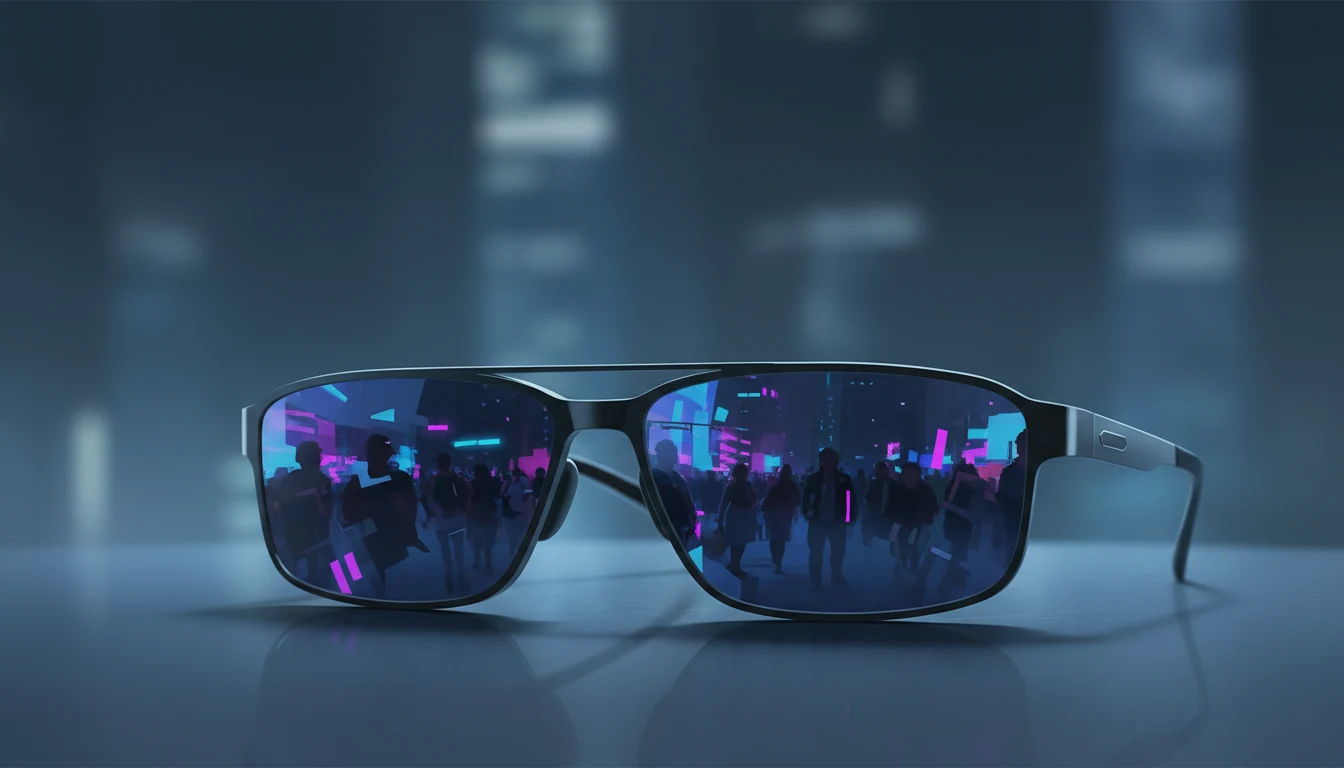
When is a pair of sunglasses more than just a fashion statement? As wearable AI devices blend seamlessly into our everyday wardrobe, they are quietly redefining the boundaries of privacy in public spaces. What looks like a stylish accessory can now function as a covert recording device, and the consequences are already unfolding on the streets of India.
For Shubnam, a 38-year-old graphic designer in Delhi, the realization came too late. While attending a protest, she was approached by a content creator wearing what appeared to be standard Ray-Ban Wayfarers. In reality, they were Meta smart glasses. The creator recorded their interaction without her consent, later editing the footage into a mocking reel. The video went viral across multiple platforms, unleashing a torrent of transphobic abuse and AI-generated memes that deeply impacted her personal life and sense of safety.
This incident highlights a growing crisis as smart glasses transition from niche tech gadgets to mainstream consumer goods. In India's rapidly expanding wearables market, the technology is becoming increasingly accessible. While Meta's current model costs around $420, local telecommunications giant Reliance Jio is slated to release a competitor priced under $105 later this year. As the hardware becomes cheaper, the potential for widespread misuse grows.
The core controversy lies in the "invisible" nature of these cameras. Manufacturers like Meta argue that a built-in LED recording light is sufficient to warn bystanders, claiming the camera disables if the light is covered. However, tech-savvy users have already found workarounds, creating a market for "stealth mode" modifications that physically bypass or obscure these safeguards. Researchers from Oxford University argue that this design philosophy is fundamentally flawed: it unfairly shifts the burden of privacy protection onto the public, requiring ordinary people to constantly scan their surroundings for tiny, blinking lights.
The implications extend far beyond individual harassment. The same inconspicuous design that enables viral pranks is also being leveraged for state surveillance. During student protests in Delhi this June, police officers deployed Meta smart glasses to continuously record demonstrators. Students reported being filmed while eating and resting, noting that they never saw any warning lights on the officers' frames.
As smart glasses become more ubiquitous, the long-held assumption that we are relatively unobserved in public spaces is evaporating. The challenge moving forward is not just technological, but societal. We must decide how to protect individual autonomy and consent in a world where any passing glance could be a hidden camera.
Key Points
- Smart glasses are increasingly used to record people without consent, leading to severe online harassment.
- Built-in safeguards, such as LED recording lights, are easily bypassed by users seeking 'stealth mode'.
- The technology is being adopted not just by consumers, but also by police for covert surveillance during protests.
- Experts warn that the current design shifts the burden of privacy protection from tech companies to vulnerable bystanders.
Why It Matters
The rise of disguised wearable cameras fundamentally alters the expectation of privacy in public spaces, forcing society to rethink consent when anyone could be recording at any time.
Sources:
- Smart glasses are already causing havoc in India — MIT Technology Review - AI
更多专栏

Your Next Coworker is a Blob That Orders Burritos
For decades, enterprise software has been synonymous with sterile dashboards, en...

The Midnight Bill: Why AI Agents Demand Hard Budget Caps
The dream of artificial intelligence is to have a tireless digital assistant wor...

Beyond Transformers: How Mamba is Rewriting the Rules of AI Memory
Think about how a human reads a sprawling, thousand-page fantasy series. You don...