The Broken Referee: When Instagram Calls Reality 'AI'
For a brief moment, it seemed like we had a simple, elegant solution to the internet’s growing synthetic media problem: just label it. Meta’s Instagram...
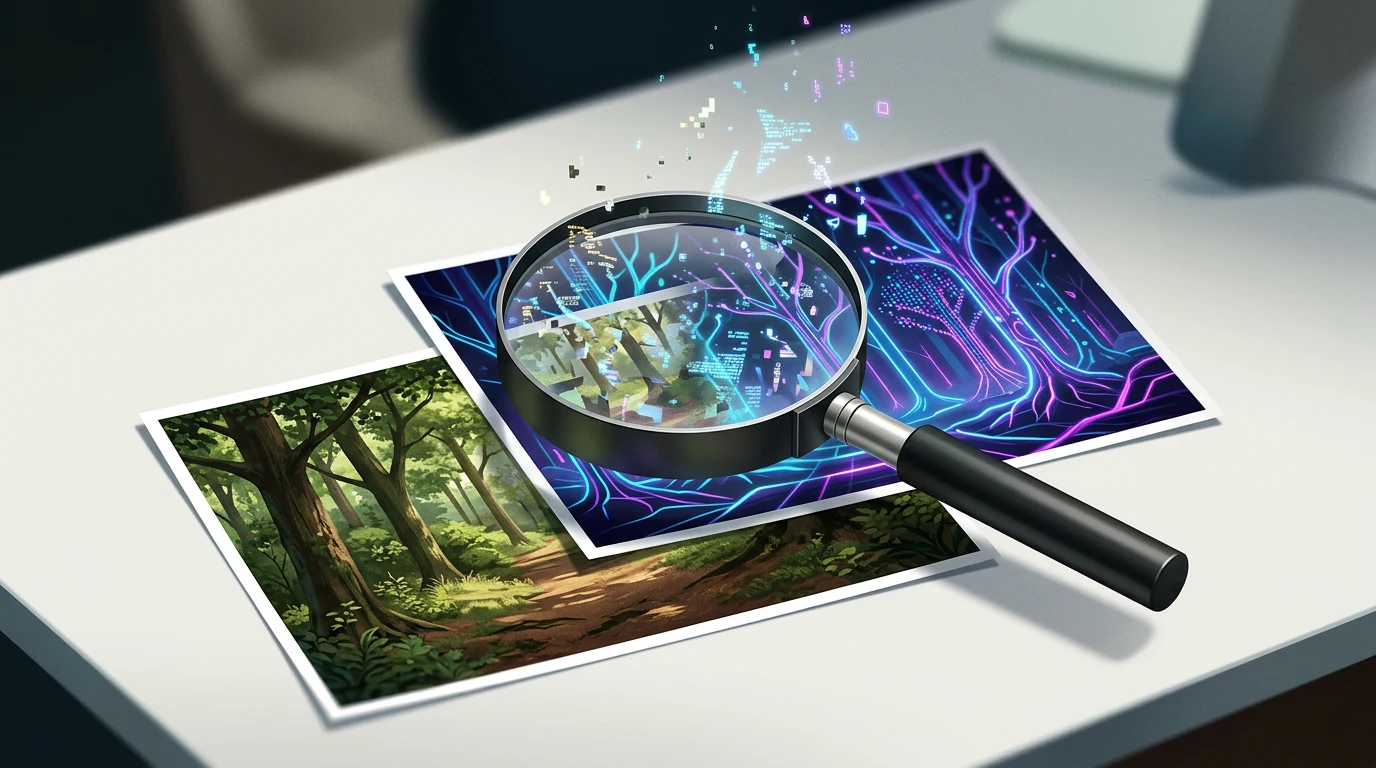
For a brief moment, it seemed like we had a simple, elegant solution to the internet’s growing synthetic media problem: just label it. Meta’s Instagram introduced an "AI Content" tag designed to act as a digital watermark, letting users scroll with confidence and easily distinguish between human creativity and machine generation. But recently, that system has turned from a helpful guide into a source of widespread frustration.
The platform’s detection algorithm is currently failing in two completely opposite directions. On one hand, it is acting like an overzealous security guard, slapping the "AI Content" label on genuine, human-taken photographs. On the other hand, it is letting entirely synthetic, generative AI imagery slip right past its filters without any warning at all. Instead of providing clarity, the system is actively contributing to a landscape where users feel nothing can be trusted.
What is triggering these false alarms? The culprit doesn't appear to be sophisticated deepfakes or complex generative models, but rather everyday digital chores. Users have noticed that applying basic edits—such as using Canva’s background removal tool or making minor automated adjustments—can instantly flag an image as AI-generated in Instagram's eyes. For photographers and casual users who take pride in their authentic moments, having their work branded as synthetic feels both confusing and insulting.
This phenomenon exposes a fundamental flaw in how current detection systems operate. They often look for specific metadata signatures or pixel-level anomalies. When a conventional algorithmic tool erases a background, it leaves behind a digital footprint that Instagram’s detector misinterprets as the work of a generative AI engine. The detector isn't seeing the "soul" or the context of the image; it's simply getting confused by the digital residue of a minor edit.
The stakes here are significantly higher than a few annoyed creators. Tech companies are rushing to implement safety guardrails to manage the flood of AI content, but this rush is exposing the fragility of the tech itself. The entire purpose of AI labeling is to preserve trust in digital ecosystems. When a system frequently mislabels reality as synthetic, while failing to catch actual fakes, it creates a "boy who cried wolf" scenario. Users quickly learn to ignore the labels altogether, rendering the safety measure entirely useless.
As we move deeper into an era where human and machine creativity intersect, the line between "edited" and "generated" is becoming increasingly blurry. Instagram’s current predicament shows that relying on automated referees to police that line is still a deeply flawed experiment. We are learning the hard way that building an AI to detect AI is just as prone to hallucinations as the image generators themselves.
Key Points
- Instagram is falsely labeling genuine user photos as 'AI Content' while missing actual generative AI images.
- Everyday editing tools, like background removers, are leaving digital traces that trigger these false alarms.
- The detection systems rely on metadata and pixel anomalies, failing to distinguish between minor edits and full generation.
- Inaccurate labeling threatens to destroy user trust in digital watermarking and AI safety measures.
Why It Matters
If content safety labels are consistently wrong, users will learn to ignore them, defeating the entire purpose of transparency and trust-building in the generative AI era.
Sources:
- Instagram’s AI detection is a mess (again) — The Verge - AI
更多专栏

Your Next Coworker is a Blob That Orders Burritos
For decades, enterprise software has been synonymous with sterile dashboards, en...

The Midnight Bill: Why AI Agents Demand Hard Budget Caps
The dream of artificial intelligence is to have a tireless digital assistant wor...
Beyond Transformers: How Mamba is Rewriting the Rules of AI Memory
Think about how a human reads a sprawling, thousand-page fantasy series. You don...