The Phantom Citations: When AI Hallucinations Enter the Courtroom
Imagine standing in a courtroom, prepared to argue the mundane details of a slip-and-fall lawsuit, only to watch the judges spend 20 minutes tearing into your...
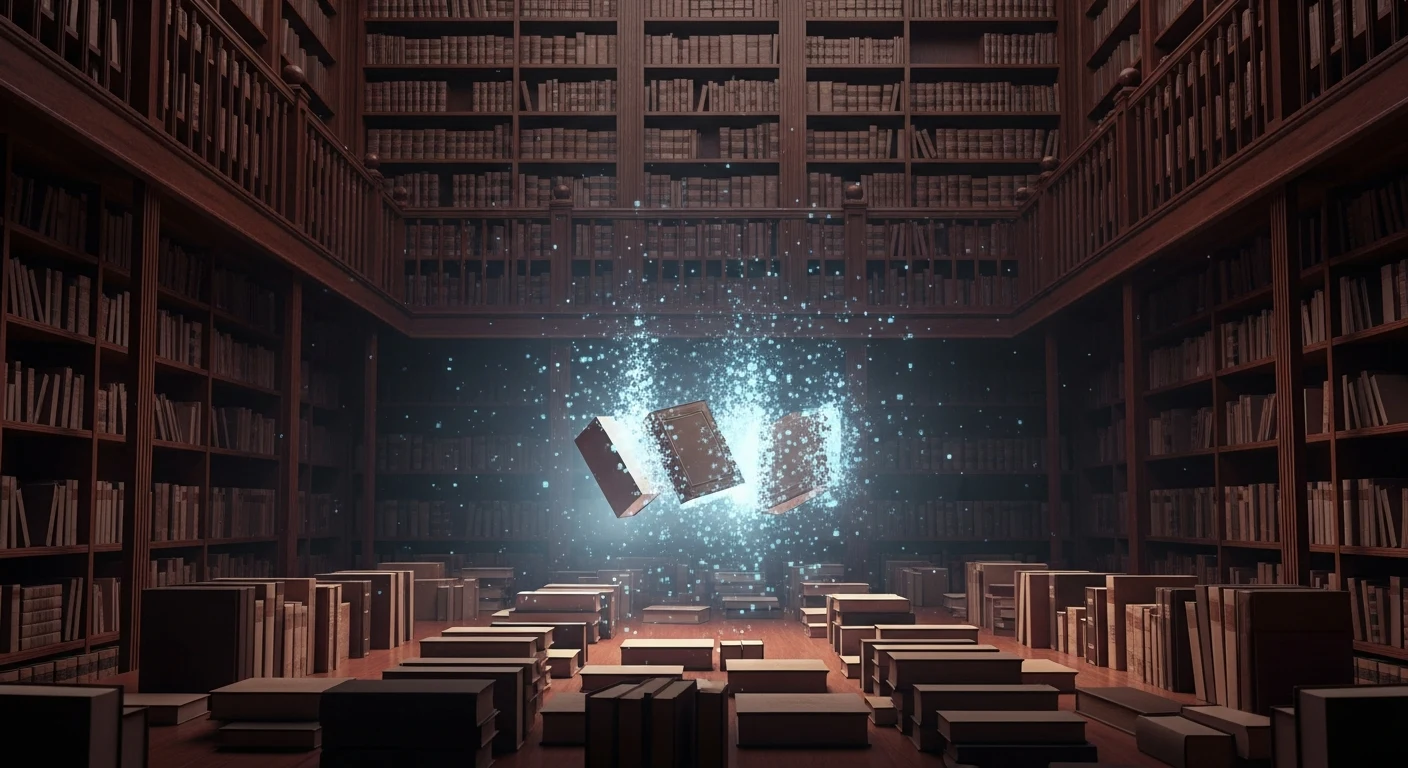
Imagine standing in a courtroom, prepared to argue the mundane details of a slip-and-fall lawsuit, only to watch the judges spend 20 minutes tearing into your opponent for citing legal history that never happened. Then, to your horror, the judges turn their ire on you for failing to notice the fabrication.
This isn't a hypothetical scenario. It unfolded on a live stream on May 20 at the Supreme Court of the State of New York Appellate Division. The case itself was remarkably ordinary: a plaintiff named Judith Landberg was suing New York City after tripping on some askew sidewalk bricks. However, the hearing quickly derailed when Justices Valerie Brathwaite Nelson and Hector LaSalle confronted plaintiff’s attorney Michael Sanders over his legal brief.
Justice Nelson pointed out that at least three cases Sanders cited—along with their specific quoted language—were entirely fictitious. On top of that, 10 other cited cases appeared to misrepresent the law. When pressed on where he found these nonexistent rulings, a stammering Sanders admitted he didn't know the specifics of the cases and offered a string of apologies. The situation escalated to the point where opposing counsel Ross Friscia was also reprimanded for not catching and reporting the fabricated citations during his own preparation.
While the judges did not explicitly use the words "generative AI" during the dressing-down, the fingerprints of AI hallucination were all over the brief. In the era of large language models (LLMs), this phenomenon has become a troubling epidemic in the legal profession. LLMs are designed to predict the next plausible word in a sequence, not to query a verified database of facts. When asked to produce legal precedents, they excel at generating text that looks exactly like a real citation—complete with convincing case names, dates, and volume numbers—that is fundamentally fabricated.
The 20-minute judicial scolding serves as a stark reminder of the limitations of artificial intelligence in high-stakes professional environments. Justice Nelson specifically invoked Rule 3.3 A of the rules of professional conduct, which prohibits lawyers from knowingly making false statements of fact or law to a tribunal.
Generative AI is a powerful tool for brainstorming and drafting, but it has no concept of truth and takes no professional oath. The ultimate responsibility for accuracy remains firmly on human shoulders. For professionals in law, medicine, finance, and beyond, the message is clear: delegate the drafting if you must, but never outsource the verification. Blindly trusting an AI assistant won't just waste the court's time—it could end a career.
Key Points
- A New York lawyer was reprimanded in court for citing at least three completely fabricated legal cases in his brief.
- The opposing counsel was also scolded by the judges for failing to identify the fictitious citations.
- The incident highlights the dangers of AI hallucinations, where language models invent plausible but fake information.
- The event serves as a warning that professionals remain ultimately accountable for verifying AI-generated content.
Why It Matters
This incident vividly illustrates the real-world consequences of relying on AI without human verification, emphasizing that professional accountability cannot be outsourced to an algorithm.
Sources:
更多专栏

Your Next Coworker is a Blob That Orders Burritos
For decades, enterprise software has been synonymous with sterile dashboards, en...

The Midnight Bill: Why AI Agents Demand Hard Budget Caps
The dream of artificial intelligence is to have a tireless digital assistant wor...

Beyond Transformers: How Mamba is Rewriting the Rules of AI Memory
Think about how a human reads a sprawling, thousand-page fantasy series. You don...