How AI is Curing the Weather Forecast Lag
For decades, predicting the weather has been a battle of brute computational force. Meteorologists have historically relied on massive, room-sized...
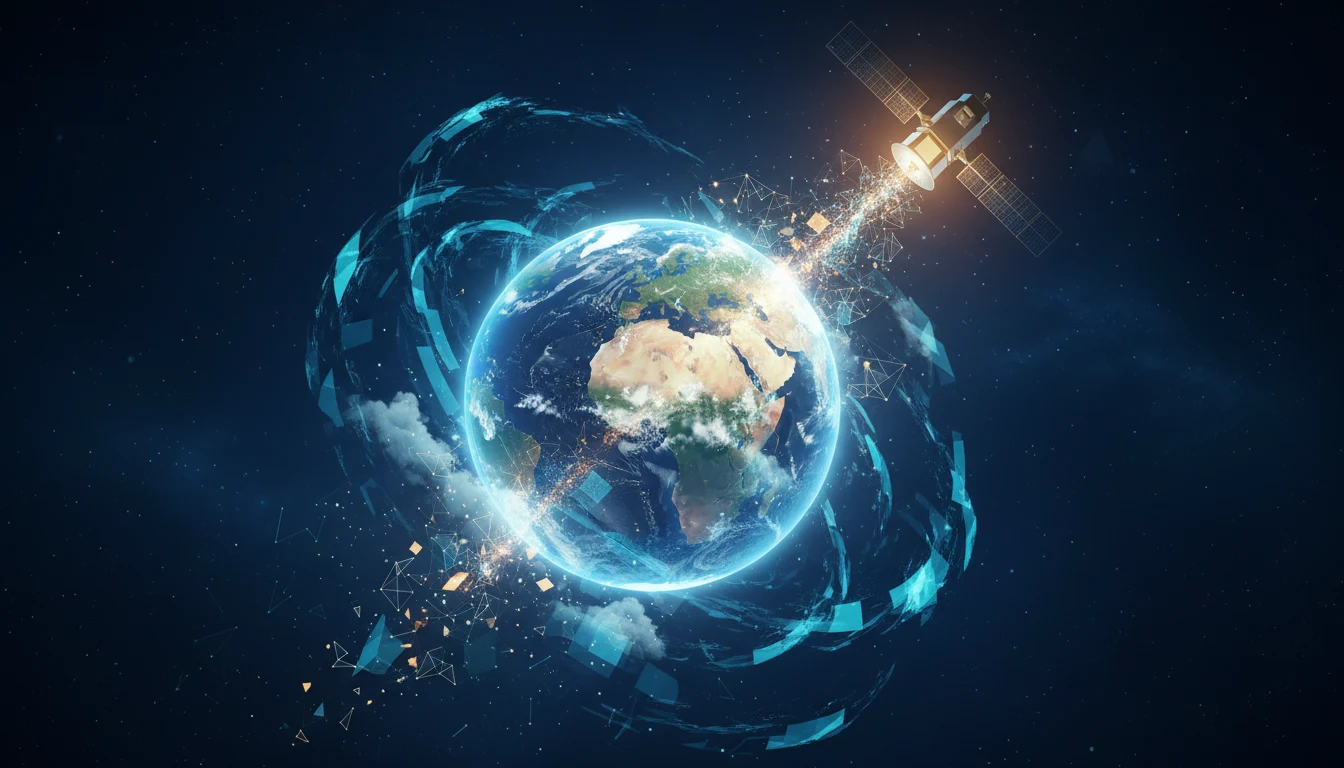
For decades, predicting the weather has been a battle of brute computational force. Meteorologists have historically relied on massive, room-sized supercomputers to simulate the Earth's atmosphere using incredibly complex physics equations. But a quiet revolution is unfolding in how we forecast the skies, driven not by bigger computers, but by smarter algorithms that recognize patterns rather than simulating physics.
Google recently unveiled version 3 of its WeatherNext AI model, marking a significant step forward in this meteorological shift. While machine learning has been creeping into weather forecasting for a few years, this latest iteration introduces a crucial shortcut that solves one of the industry's most stubborn problems: the time lag between observing the weather and actually predicting it.
The traditional bottleneck lies in a process called "reanalysis." Because we don't have physical weather sensors on every square inch of the globe, traditional forecast models must first build a synthetic snapshot of the entire planet's atmosphere. They take all available data and use heavy computation to estimate the conditions in unmeasured locations. Only after this painstakingly slow, global puzzle is pieced together can the actual forecasting begin.
WeatherNext v3 changes the paradigm by feeding directly on raw satellite data. By ingesting this information straight from orbit, the AI essentially bypasses the traditional reanalysis middleman. This drastically shortens the lag time between what is happening in the sky right now and the generation of a new forecast.
The most transformative aspect of this AI approach, however, isn't just the speed—it's the sheer efficiency. Google's model, along with similar AI systems, achieves forecast accuracy comparable to traditional physics-based models while using a tiny fraction of the computing horsepower.
For the average person, this drop in computational cost translates to one vital benefit: frequency. When a weather model requires a supercomputer to run for hours, you might only get a few updated forecasts a day. But if an AI model is lightweight and cheap to run, meteorologists can update forecasts continuously.
We often worry about artificial intelligence disrupting industries or invading privacy, but in meteorology, it is acting as a powerful, unseen ally. By shifting from pure physics simulations to efficient pattern recognition, AI is helping us stay one step ahead of the elements, ensuring that our daily plans aren't washed away by an unpredicted storm.
Key Points
- Google's WeatherNext v3 AI model now directly processes raw satellite data.
- Traditional forecasting relies on 'reanalysis,' a slow, computationally heavy process to estimate global weather conditions.
- By bypassing this step, the new AI model significantly reduces the delay in generating fresh forecasts.
- AI models require vastly less computing power than traditional supercomputer simulations.
- Lower computing costs mean forecasts can be generated much more frequently, providing near-continuous updates.
Why It Matters
By drastically reducing the computing power and time needed to generate forecasts, AI enables continuous, real-time weather updates, making society more resilient to sudden weather changes.
Sources:
- Update to Google’s AI weather model improves forecast accuracy — Ars Technica AI
更多专栏

Your Next Coworker is a Blob That Orders Burritos
For decades, enterprise software has been synonymous with sterile dashboards, en...

The Midnight Bill: Why AI Agents Demand Hard Budget Caps
The dream of artificial intelligence is to have a tireless digital assistant wor...

Beyond Transformers: How Mamba is Rewriting the Rules of AI Memory
Think about how a human reads a sprawling, thousand-page fantasy series. You don...