The Multi-Billion Dollar Question: Music Titans Take Anthropic to Court
Behind every impressive artificial intelligence that can instantly draft a song, write a poem, or generate a story lies a massive, invisible library of human...
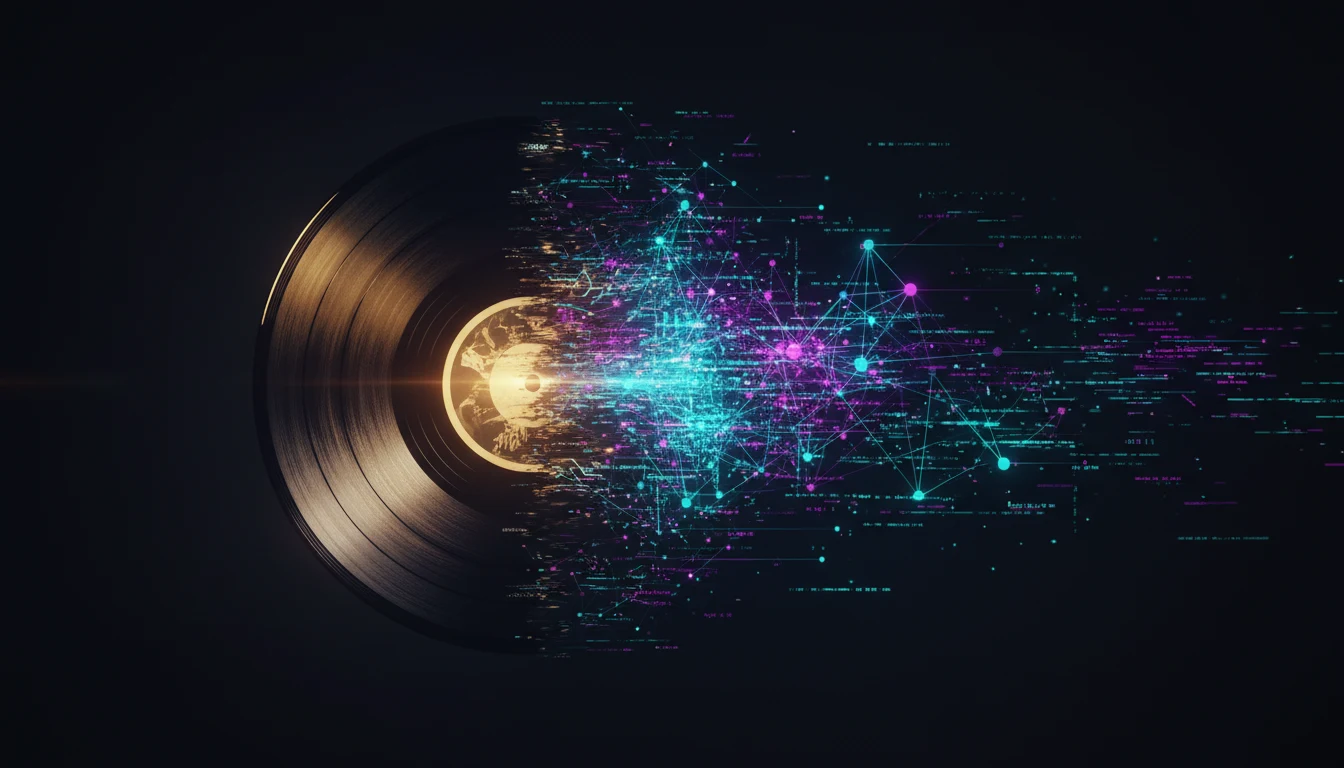
Behind every impressive artificial intelligence that can instantly draft a song, write a poem, or generate a story lies a massive, invisible library of human creativity. But what happens when the original architects of that library demand to be paid for their foundational blueprints?
The collision between the generative AI boom and traditional copyright law has just escalated into a high-stakes legal battlefield. Music industry heavyweights Sony Music Publishing and Warner Chappell have officially filed a lawsuit against Anthropic in a California federal court. Their accusation strikes at the very heart of how modern AI is built: they allege that Anthropic trained its sophisticated language models on "tens of thousands" of copyrighted musical works without ever asking for permission or offering compensation.
The financial stakes in this legal showdown are astronomical. The music publishers are not merely seeking a symbolic victory; they are asking the court for up to $150,000 in damages for each individual work infringed upon. Furthermore, they are demanding an additional $25,000 for every instance where identifiable copyright management data was allegedly stripped away during the data-gathering process. If a judge rules entirely in favor of the music giants, Anthropic could be looking at a devastating bill running into the billions of dollars.
This lawsuit is a critical stress test for the AI industry's foundational practice of scraping the internet for training material. For years, tech companies have largely operated under the assumption that ingesting massive datasets to teach a machine how to recognize patterns falls under the doctrine of "fair use"—arguing that it is transformative and akin to a human reading books to learn how to write. Copyright holders, however, view this practice through a drastically different lens. To them, it is wholesale theft that directly threatens their livelihood, allowing tech companies to build highly profitable commercial products on the backs of uncompensated artists.
The music industry is particularly sensitive to intellectual property rights, having spent the last two decades battling piracy and negotiating complex streaming royalty structures. Now, they are pivoting to face a new technological disruptor. The outcome of this case against Anthropic will likely resonate far beyond the music business. It will force the legal system to answer a defining question of our era: does the rapid, transformative advancement of artificial intelligence justify the uncompensated use of human art, or must the future of technology be built on a strict foundation of licensing and royalties?
Key Points
- Sony Music Publishing and Warner Chappell are suing Anthropic in a California federal court over alleged copyright infringement.
- The lawsuit claims Anthropic used tens of thousands of copyrighted songs to train its AI models without permission.
- Publishers are seeking up to $150,000 per work, plus additional fines for stripped metadata, potentially totaling billions.
- The case represents a major legal challenge to the AI industry's reliance on scraping internet data under the guise of 'fair use'.
Why It Matters
The resolution of this lawsuit could set a lasting precedent for the AI industry, determining whether tech companies must fundamentally change how they source and pay for the data that powers their models.
Sources:
- Sony Music Publishing and Warner Chappell are suing Anthropic — The Verge - AI
更多专栏

Your Next Coworker is a Blob That Orders Burritos
For decades, enterprise software has been synonymous with sterile dashboards, en...

The Midnight Bill: Why AI Agents Demand Hard Budget Caps
The dream of artificial intelligence is to have a tireless digital assistant wor...

Beyond Transformers: How Mamba is Rewriting the Rules of AI Memory
Think about how a human reads a sprawling, thousand-page fantasy series. You don...