Algorithms Don't Fire People, Executives Do
We have a habit of talking about artificial intelligence as if it were a highly ambitious, coffee-guzzling corporate climber. Headlines constantly warn that AI...
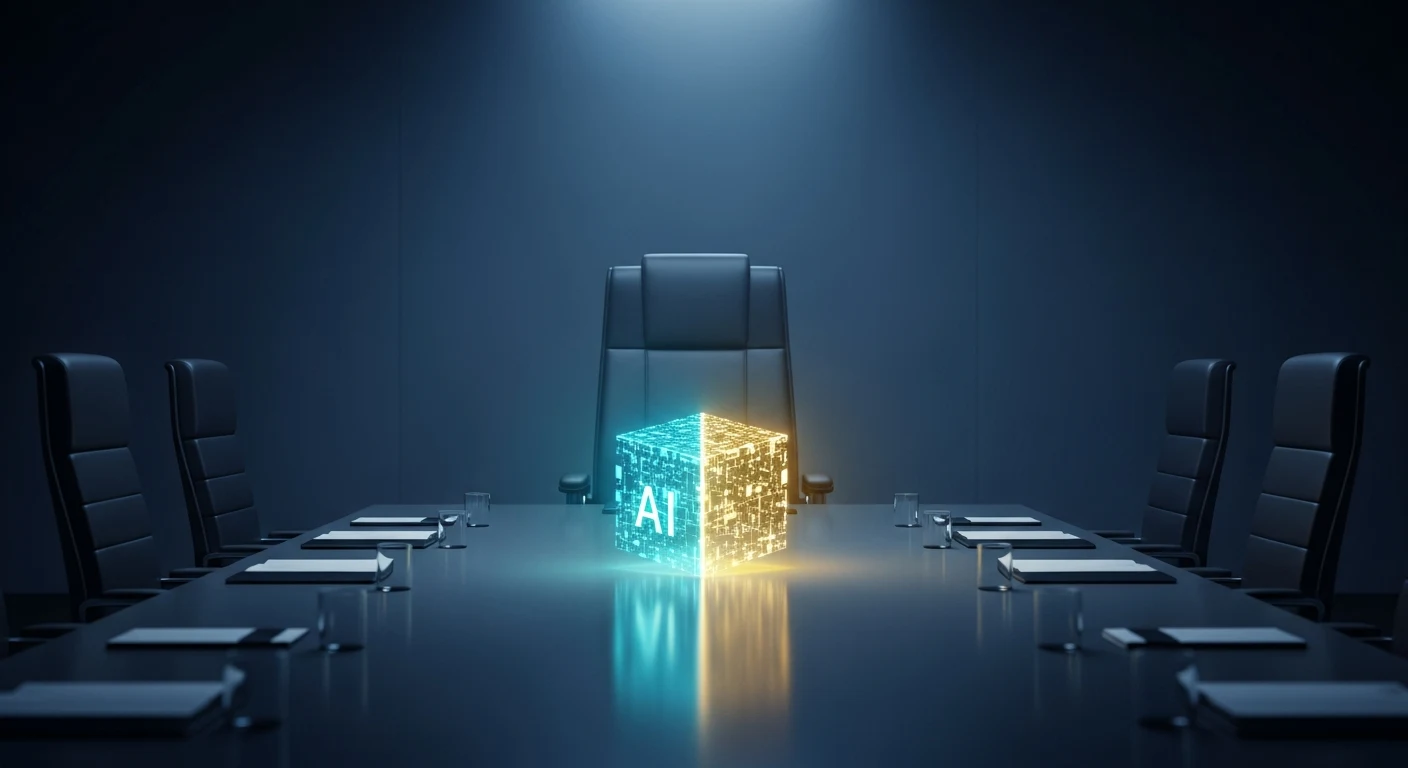
We have a habit of talking about artificial intelligence as if it were a highly ambitious, coffee-guzzling corporate climber. Headlines constantly warn that AI is "coming for your job" or "stealing" livelihoods, painting a picture of rogue algorithms actively plotting to push humans out of the office. But this dramatic narrative completely misses the reality of how the modern workforce operates.
Here is the blunt truth: AI does not fire people. Companies do.
An algorithm has no agency, no bank account, and no desire to optimize a company's quarterly earnings. It is simply a tool—albeit a highly sophisticated one. When a department is downsized "due to AI," it is not the software that made the call. It is a human executive team that looked at a spreadsheet and decided that replacing a portion of their workforce with automation was a better financial move than retraining or upskilling those employees.
Blaming artificial intelligence for job losses is incredibly convenient for corporate management. It frames layoffs as an inevitable force of nature, an unavoidable byproduct of technological progress, rather than a deliberate business choice. Organizations always have a choice in how they deploy new technology. They can use AI to augment their staff—giving them the tools to work faster, think bigger, and eliminate drudgery—or they can use it purely as a mechanism for cost reduction.
Think back to the introduction of spreadsheet software in the 1980s. It didn't eradicate accountants; it changed the nature of accounting. However, how individual firms handled that transition—whether they fired clerks or trained them to become financial analysts—was entirely up to leadership. The same dynamic is playing out today with generative AI. The software remains neutral; it is the corporate strategy that determines the human cost.
Understanding this distinction is vital for anyone navigating today's labor market. If we believe that AI is an unstoppable job-thief, the natural response is paralyzing anxiety. But when we recognize that job security is actually tied to human decision-making and business models, we can change our approach.
The challenge is no longer about competing against a machine. It is about adapting to an evolving economy, learning to pilot these new systems, and seeking out employers who view technology as a way to elevate their workforce rather than eliminate it. The robots aren't taking your job—but a manager with a specific vision for the bottom line might.
Key Points
- AI is a neutral tool without agency; it cannot independently decide to terminate employment.
- Job displacement is the result of corporate management prioritizing cost-cutting over workforce augmentation.
- Framing AI as a 'job thief' conveniently deflects accountability away from business executives.
- Workers should focus on mastering new tools and finding employers who use tech to empower rather than replace staff.
Why It Matters
Reframing the AI-job debate highlights the human decisions behind technological deployment. It empowers workers to focus on adaptability rather than fearing an inanimate algorithm.
Sources:
- Why AI Is NOT Stealing Your Job — Towards Data Science - AI
更多专栏

Your Next Coworker is a Blob That Orders Burritos
For decades, enterprise software has been synonymous with sterile dashboards, en...

The Midnight Bill: Why AI Agents Demand Hard Budget Caps
The dream of artificial intelligence is to have a tireless digital assistant wor...
Beyond Transformers: How Mamba is Rewriting the Rules of AI Memory
Think about how a human reads a sprawling, thousand-page fantasy series. You don...