AI Can Spot Wildfires in 10 Minutes. Why Can't It Stop Them?
In the fight against wildfires, time is the ultimate enemy. A small brush fire can escalate into an uncontrollable inferno in a matter of minutes, especially...
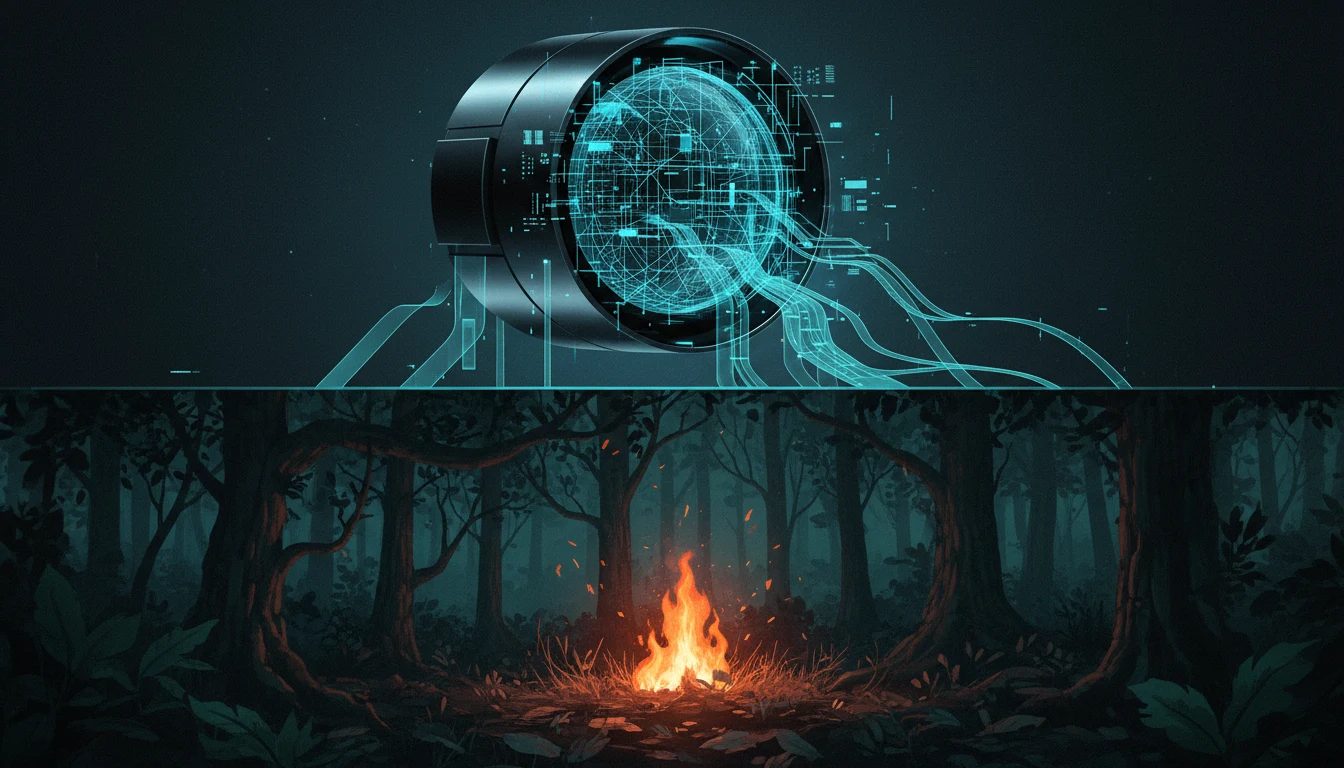
In the fight against wildfires, time is the ultimate enemy. A small brush fire can escalate into an uncontrollable inferno in a matter of minutes, especially in remote, hard-to-reach areas. For decades, human spotters and watchtowers were our best line of defense. Today, artificial intelligence and orbital tech are taking the watch—but they are also exposing the distinct limits of our current robotic capabilities.
The recent phases of the $11 million XPRIZE Wildfire competition perfectly illustrate this technological paradox. The global contest was designed to push the boundaries of early detection and rapid response, featuring two distinct, high-stakes tracks. One challenged teams to scan a massive swath of Australia from space and pinpoint all active fires within a strict 10-minute window. The other, set in the rugged terrain of rural Alaska, demanded that autonomous systems not only detect a high-risk fire within 10 minutes of ignition but also extinguish it entirely, all while ignoring deliberately placed decoy fires.
The results were a fascinating mix of triumph and a reality check. Finalist teams successfully demonstrated that AI-powered satellite analysis and drone surveillance can indeed spot a fire almost immediately. Finding a needle in a haystack from orbit is no longer science fiction. However, no team managed to claim either of the two grand prizes.
Why? Because seeing a fire is fundamentally a software and data problem; putting it out is a harsh physical one.
While artificial intelligence excels at parsing thermal imaging and filtering out false positives (the decoys), autonomous drones still struggle with the brutal physics of firefighting. Navigating unpredictable thermal updrafts, carrying sufficient payloads of water or retardant, and executing precise maneuvers in dangerous conditions remain monumental hurdles for today’s hardware.
Yet, the lack of a grand prize winner does not mean the endeavor fell short of its purpose. As Andrea Santy, program director of XPRIZE Wildfire, pointed out, the primary goal is to build tools that allow human firefighters to do their jobs safely. "It's unfair to continue to put them in harm's way when there's technology coming online that can help keep them safe," she noted.
Even without fully autonomous fire-extinguishing robots, a reliable 10-minute detection window is a game-changer. It means emergency responders can deploy resources before a fire establishes its own weather system. AI has successfully built the world’s fastest smoke alarm; the next frontier is building the robotic fire engine to match.
Key Points
- The $11 million XPRIZE Wildfire competition challenged teams to detect and suppress fires within a 10-minute window.
- Teams successfully used AI and space tech to identify fires rapidly, even filtering out decoys.
- No team won the grand prizes, highlighting the massive physical challenges of autonomous fire suppression.
- The primary benefit of these innovations is providing early warnings to keep human firefighters safer.
Why It Matters
As climate change accelerates wildfire frequency, cutting detection time to under 10 minutes offers a critical window to prevent massive ecological destruction and protect first responders.
Sources:
更多专栏

Your Next Coworker is a Blob That Orders Burritos
For decades, enterprise software has been synonymous with sterile dashboards, en...

The Midnight Bill: Why AI Agents Demand Hard Budget Caps
The dream of artificial intelligence is to have a tireless digital assistant wor...

Beyond Transformers: How Mamba is Rewriting the Rules of AI Memory
Think about how a human reads a sprawling, thousand-page fantasy series. You don...