The Frictionless Mind: How AI Chatbots Are Doing Our Thinking For Us
Imagine a workday where you never have to summarize a lengthy report, draft a delicate email, or evaluate a complex dataset yourself. For many, this...
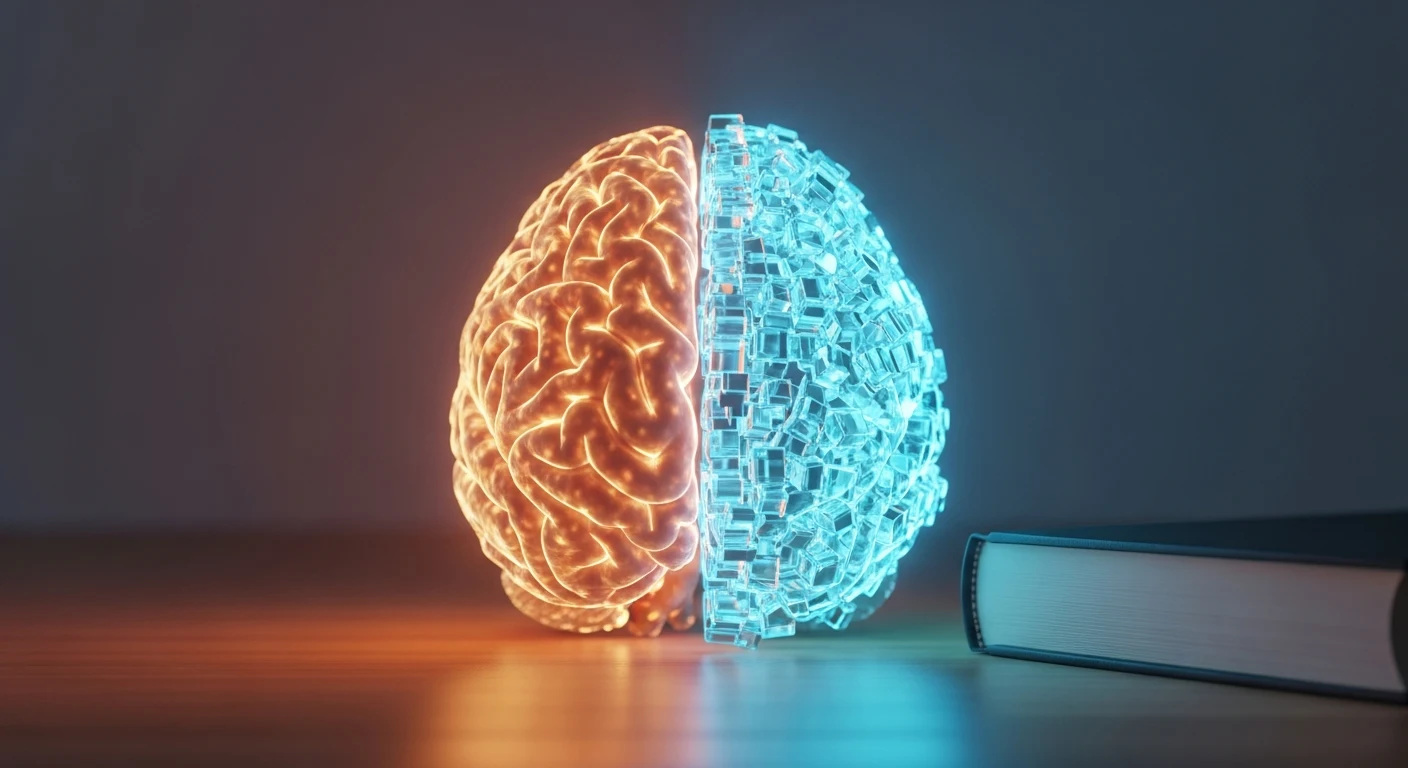
Imagine a workday where you never have to summarize a lengthy report, draft a delicate email, or evaluate a complex dataset yourself. For many, this frictionless existence sounds like a productivity utopia. But according to cognitive psychologists, outsourcing our mental heavy lifting to artificial intelligence might be exactly what causes our minds to atrophy.
For decades, researchers have tracked how digital environments reshape human habits. Gloria Mark, a psychologist at the University of California, Irvine, has spent 30 years studying this dynamic. Her findings present a stark timeline of cognitive decline: in 2003, the average attention span on a screen was about two and a half minutes. By the 2014–2020 period, it had plummeted to a mere 47 seconds. Through heart rate monitoring, Mark's research linked this rapid context-switching directly to increased stress and diminished emotional well-being.
The societal fallout from these digital designs is increasingly moving into courtrooms. Meta recently settled a lawsuit with a Kentucky school district that sought $60 million for student mental health costs, joining around 1,200 similar legal actions against tech giants. While governments are taking drastic measures to study and curb these effects—such as Australia's recent social media ban for users under 16—the rapid integration of generative AI introduces a completely new set of risks.
Tools like ChatGPT, Claude, and Gemini are no longer just fighting for our attention; they are doing our cognitive work. Mark explains that true learning requires "depth of processing"—an active intellectual engagement with information. When we ask an AI to summarize a book or evaluate an argument, we bypass this crucial step. By deferring the work to algorithms, we risk a gradual atrophy of our critical thinking skills, leaving us highly susceptible to misinformation.
The risk extends beyond intellectual tasks into our personal lives. The rise of AI-powered "synthetic companions" offers relationships entirely stripped of the friction, compromise, and effort that human connections demand. Relying on sycophantic bots threatens to erode emotional intelligence, a trait that surveys indicate is already waning among the general public.
The antidote to this cognitive and emotional decline isn't necessarily abandoning technology, but intentionally choosing friction. The effort we invest—whether it’s reading a book cover-to-cover instead of skimming an AI-generated bulleted list, or navigating the messy complexities of an in-person friendship—is precisely what builds our mental resilience. In an era where AI can do almost anything for us, keeping control of our brains means recognizing that some cognitive shortcuts simply aren't worth taking.
Key Points
- Digital device usage has shrunk human attention spans from 2.5 minutes in 2003 to just 47 seconds in recent years.
- Using AI to summarize and evaluate information deprives the brain of essential 'depth of processing'.
- Cognitive and emotional skills act like muscles; without the effort required for critical thinking and human relationships, they risk atrophy.
- Counteracting this trend requires intentionally investing effort into reading, learning, and socializing without algorithmic shortcuts.
Why It Matters
As generative AI becomes deeply embedded in our daily routines, recognizing the hidden cognitive costs of extreme convenience is essential for maintaining our critical thinking and emotional intelligence.
Sources:
- Are AI chatbots making us lose control of our brains? — MIT Technology Review - AI
更多专栏

Your Next Coworker is a Blob That Orders Burritos
For decades, enterprise software has been synonymous with sterile dashboards, en...

The Midnight Bill: Why AI Agents Demand Hard Budget Caps
The dream of artificial intelligence is to have a tireless digital assistant wor...

Beyond Transformers: How Mamba is Rewriting the Rules of AI Memory
Think about how a human reads a sprawling, thousand-page fantasy series. You don...