The End of Apps? Microsoft's Project Solara Bets Big on AI Agents
For over a decade, the technology industry has operated on a simple premise: if you want to do something on a digital device, "there's an app for that." But...
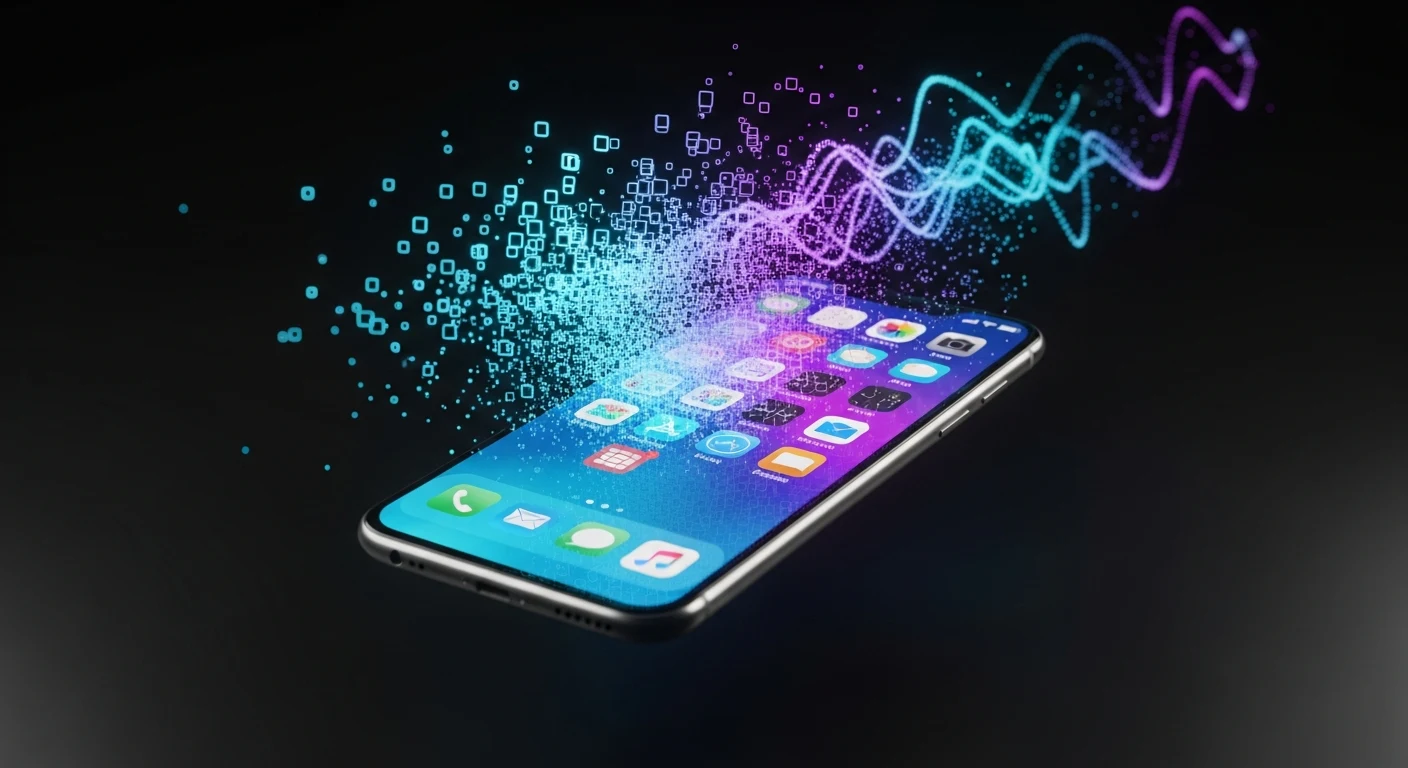
For over a decade, the technology industry has operated on a simple premise: if you want to do something on a digital device, "there's an app for that." But what if you didn't need an app at all? What if your device simply built the tools you needed, exactly when you asked for them, and then dissolved them when you were done?
This is the provocative vision behind Project Solara, a new software platform unveiled by Microsoft at its Build 2026 conference. Built on an Android foundation, Solara is an operating system with a radical twist—it is designed to run AI agents instead of traditional applications.
To understand the shift, consider how we currently use smartphones. Planning a dinner involves jumping between a restaurant review app, a messaging app to coordinate with friends, and a calendar app to block out the time. These are rigid, isolated silos. Solara, described by Microsoft as a "chip-to-cloud" platform, aims to tear down those walls. Instead of forcing users to navigate pre-packaged software, Solara relies on intelligent agents to generate user interfaces "on the spot." You simply state your goal, and the OS dynamically creates a custom interface to help you accomplish it.
For Microsoft, this is more than just a neat user interface trick; it's a strategic maneuver deeply rooted in its own history. During the smartphone boom, Microsoft struggled immensely to compete with the iOS and Android duopoly, largely because it couldn't convince enough developers to populate its app store. By pivoting to an agent-first paradigm, Microsoft is essentially trying to render the traditional app store obsolete. If a device relies on a capable AI agent rather than a massive library of third-party apps, it becomes much easier and cheaper to build entirely new computing form factors—from smart glasses to ambient home displays.
Before you go deleting your favorite apps, it's worth noting that Project Solara is still very much a glimpse into the future. Currently, it is confined to a handful of concept hardware devices and software tests. The entire ecosystem is waiting for the next leap in generative AI models—the "magical agents" that Microsoft and its peers promise are just around the corner.
Still, Solara represents a fascinating conceptual pivot. It suggests that the future of computing won't be about managing screens full of icons, but about collaborating with an operating system that finally understands what we actually want to achieve.
Key Points
- Microsoft introduced Project Solara at Build 2026, an Android-based OS designed for AI agents rather than traditional apps.
- The system dynamically generates user interfaces "on the spot" based on what the user needs to accomplish.
- By moving away from apps, Microsoft hopes to bypass the traditional app store ecosystem, making it easier to launch new types of hardware.
- The project is currently a conceptual platform, relying on the anticipated arrival of more advanced AI models.
Why It Matters
Project Solara challenges the dominance of the app store model, suggesting a future where digital interactions are fluid, intent-driven, and managed entirely by AI agents.
Sources:
更多专栏
Your Next Coworker is a Blob That Orders Burritos
For decades, enterprise software has been synonymous with sterile dashboards, en...

The Midnight Bill: Why AI Agents Demand Hard Budget Caps
The dream of artificial intelligence is to have a tireless digital assistant wor...
Beyond Transformers: How Mamba is Rewriting the Rules of AI Memory
Think about how a human reads a sprawling, thousand-page fantasy series. You don...