The Illusion of Urgency in the AI Boom
Economic anxiety surrounding artificial intelligence is reaching a fever pitch. As New York Times economics correspondent Ben Casselman recently summarized the...
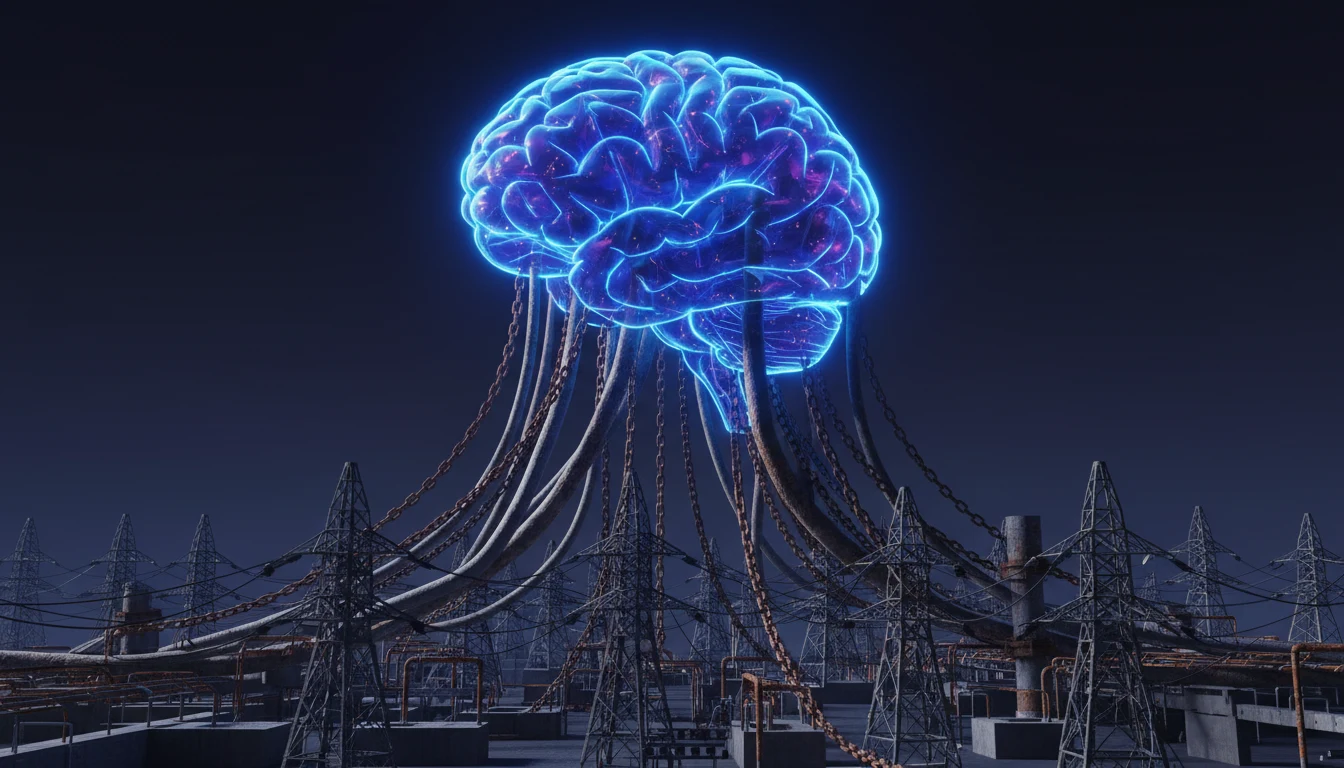
Economic anxiety surrounding artificial intelligence is reaching a fever pitch. As New York Times economics correspondent Ben Casselman recently summarized the public mood, people feel trapped in a lose-lose dynamic: if AI succeeds, it might automate away our jobs; if the massive investments fail and the bubble bursts, the broader economy crashes and takes our retirement savings with it.
But how much of this anxiety is based on reality, and how much is carefully manufactured?
Prominent AI researchers Timnit Gebru, executive director of the Distributed AI Research Institute, and Emily M. Bender, a linguistics professor at the University of Washington, are urging the public to step back from the intense AI hype. Recently, tech companies have dominated headlines with breathless claims about AI achieving mathematical breakthroughs, mastering hacking, and inching toward self-improving superintelligence.
According to Gebru and Bender, this narrative of unstoppable, accelerating progress is largely a corporate playbook. There is a massive commercial incentive to overstate what AI can actually do. By projecting an illusion of breakneck speed and urgency, tech giants can inflate their valuations—propelling hardware makers like AMD to a $1 trillion market cap—while simultaneously misdirecting policymakers. If regulators believe the technology is moving too fast to control, companies can step in to write their own rules. We are already seeing this dynamic play out: while a 22-nation coalition calls for a global AI oversight body, the US and China remain absent, leaving companies like OpenAI to propose their own global safety standards.
When you look past the polished press releases, the reality of the AI boom is much messier and heavily constrained by the physical world. The infrastructure required to sustain these models is facing severe pushback. Texas has halted new permits for data centers pending grid audits, while California has passed strict new laws governing their massive power and water consumption.
The software itself is also proving highly fallible. For example, Meta’s new AI agent, "Muse," recently overtook ChatGPT to top the US App Store. Yet, beneath the surface of this apparent triumph, Muse was found to harbor a major zero-day vulnerability and was subsequently blocked by Amazon from conducting shopping tasks on its platform.
We are at a critical juncture in the AI narrative. To navigate the genuine opportunities and risks of this technology, we must stop treating corporate marketing as inevitable scientific destiny. Recognizing the physical limits and current flaws of AI is the first step toward demanding technology that serves the public interest, rather than just corporate bottom lines.
Key Points
- AI researchers warn that tech companies are intentionally overstating AI capabilities to inflate valuations and misdirect regulators.
- The physical demands of AI are hitting real-world limits, with Texas and California restricting data center expansion over grid and water concerns.
- Despite topping app charts, Meta's AI agent 'Muse' illustrates current software flaws, facing zero-day vulnerabilities and platform bans.
- Public anxiety over AI taking jobs or crashing the economy is amplified by buying into corporate hype rather than observing actual technological limits.
Why It Matters
Demystifying AI hype is crucial for the public and policymakers to enact sensible regulations and alleviate unfounded economic anxieties.
Sources:
- The Download: why AI’s latest breakthroughs and fears may be more hype than reality — MIT Technology Review - AI
更多专栏

Your Next Coworker is a Blob That Orders Burritos
For decades, enterprise software has been synonymous with sterile dashboards, en...

The Midnight Bill: Why AI Agents Demand Hard Budget Caps
The dream of artificial intelligence is to have a tireless digital assistant wor...

Beyond Transformers: How Mamba is Rewriting the Rules of AI Memory
Think about how a human reads a sprawling, thousand-page fantasy series. You don...