Putting a Face to the AI: Inside Google's Gemini Live Avatar
For years, our relationship with artificial intelligence has been largely disembodied. We type into sterile chat boxes or speak to glowing orbs that reply with...
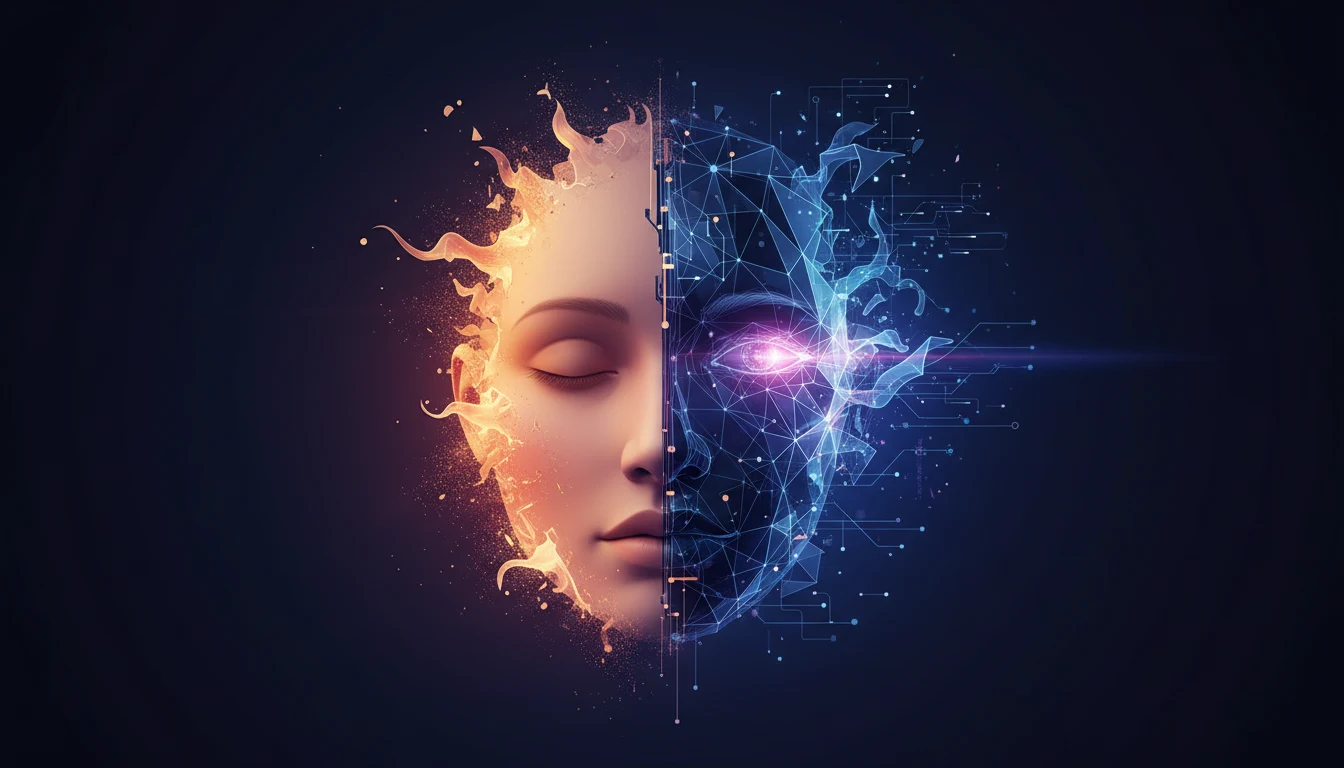
For years, our relationship with artificial intelligence has been largely disembodied. We type into sterile chat boxes or speak to glowing orbs that reply with synthetic voices. But what happens when the machine looking back at you actually has a face?
Google is exploring this frontier with its recent Gemini 3.8 Live update, introducing a feature called "Live Avatar." Instead of just hearing a voice, users can now interact with an animated persona that responds in real time. This isn't just a static picture that lights up when speaking; the avatar features precise lip-syncing and dynamic facial expressions that match the context and tone of the conversation.
While virtual avatars aren't entirely new, Google's technical execution aims to solve a persistent problem in the industry: the uncanny valley effect caused by mismatched audio and visual cues. When an avatar's lips don't quite match the audio, it creates a jarring, unnatural experience that breaks the illusion of presence. The standout capability of Live Avatar is its polyglot nature combined with high visual fidelity. The system supports 97 different languages and can transition between them seamlessly.
In a demonstration, the avatar switched effortlessly from English to Japanese. Crucially, Google claims this happens without "visual drift" or a drop in video quality—meaning the mouth movements remain perfectly aligned with the spoken syllables, regardless of the language's distinct phonetic structure. Beyond just chatting, the avatar functions as a visual assistant, capable of pulling up information on the screen during the conversation. Imagine a virtual presenter who can brief you on a complex topic, display the relevant data charts next to them, and answer your follow-up questions with natural, human-like expressions.
For now, you won't find this feature in your everyday consumer app. Google has restricted Live Avatar to its Gemini Enterprise customers. This targeted rollout suggests that the tech giant sees the immediate value of embodied AI in the workplace. A tireless, multi-lingual virtual representative could revolutionize global customer support, internal corporate training, or cross-border business communications.
Giving AI a face represents a profound shift in human-computer interaction. We are biologically wired to read facial cues and lip movements to build trust and understanding. By bridging the gap between text-based logic and visual human likeness, tools like Live Avatar are transforming AI from a background utility into a front-facing collaborator. The question now isn't just what AI can do for us, but how we will interact with it when it finally looks us in the eye.
Key Points
- Google's Gemini 3.8 Live update introduces 'Live Avatar', featuring real-time lip-syncing and facial expressions.
- The avatar supports 97 languages and can switch between them without visual drift or fidelity loss.
- It acts as a visual assistant, capable of pulling up information on-screen during a conversation.
- The feature is currently exclusive to Gemini Enterprise customers, targeting workplace and business applications.
Why It Matters
By adding high-fidelity visual elements to AI, Google is making human-computer interaction significantly more natural. This could dramatically improve how global businesses handle communication, training, and customer service.
Sources:
- Gemini 3.8 Live with Live Avatar gives Google’s AI a face — The Verge - AI
更多专栏

The Digital Dead Drop: How AI Agents Could Spread 'Worms'
In the world of espionage, spies often use a "dead drop"—a secret, shared locati...

The AI Gadget You Build Yourself: Meta Opens the Door for Makers
The recent wave of dedicated AI hardware has largely been defined by sleek, expe...

Why the Creators of Resident Evil Are Teaming Up With AI
Modern blockbuster video games have a scaling problem. The virtual worlds we lov...