From Fan Fiction to Deepfakes: The AI Consent Crisis in K-Pop
For decades, fan fiction has been a cornerstone of pop culture fandom. Enthusiasts would write elaborate stories or draw artwork placing their favorite...
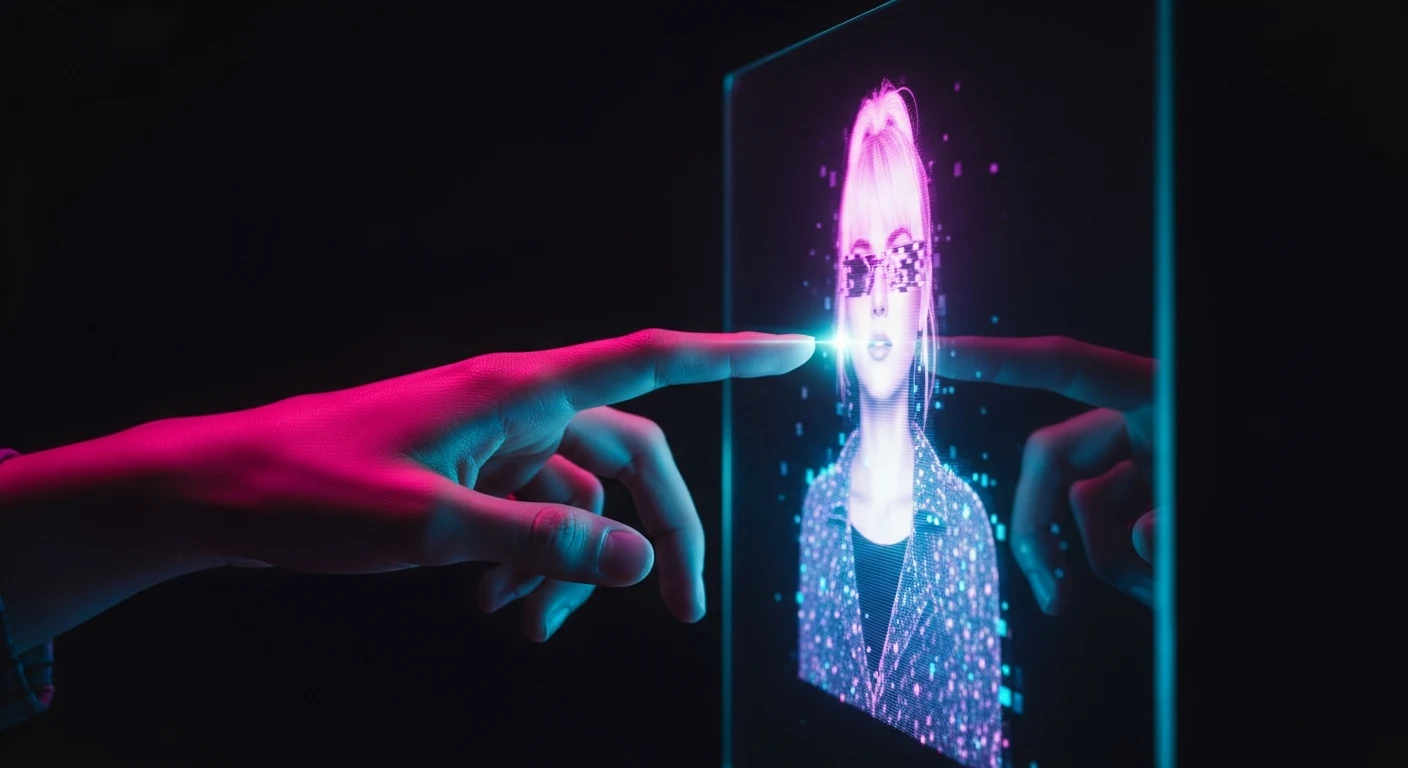
For decades, fan fiction has been a cornerstone of pop culture fandom. Enthusiasts would write elaborate stories or draw artwork placing their favorite celebrities into romantic or fantastical scenarios. But the advent of generative AI has transformed this harmless creative outlet into a troubling new reality. Today, obsessive fans are using AI tools to generate hyper-realistic videos and images of themselves cuddling, kissing, and acting out intimate fantasies with real-life K-pop idols.
The backlash from within the fan community has been swift and fierce. On platforms like Reddit, users are organizing to report these AI-generated fantasies, arguing that they cross a dangerous ethical line. In one highly criticized instance, a fan posted an AI-generated video showing themselves being hugged and kissed by Keonho, a minor and member of the boy group CORTIS. As critics rightly point out, idols are real people living their lives, not fictional characters from a novel who can be manipulated without consent.
Dr. Sarah Keith, a researcher at Macquarie University, notes that while fan-created content has always existed, generative AI removes the traditional barriers to entry. In the past, creating a convincing fake image required significant Photoshop skills, which provided a "mental buffer" for the creator. Now, Silicon Valley's tools allow anyone to bypass social norms of consent, generating large volumes of realistic content that undermines an individual's personal integrity.
Yet, placing the blame entirely on rogue fans misses the broader context of the idol industry. For years, the K-pop business model has heavily relied on cultivating "parasocial relationships"—actively encouraging fans to view idols as accessible romantic partners. When an industry constantly pushes fans to live out their romantic fantasies through curated social media posts and live interactions, the leap to using AI to actualize those fantasies feels almost inevitable.
This dynamic has exposed a glaring paradox in how entertainment agencies handle artificial intelligence. On one hand, labels are scrambling to protect their human assets. OA Entertainment, representing Blackpink's Jennie, recently threatened strong legal action against those infringing on portrait rights and reputation—a move widely interpreted as a response to AI-generated harassment. Members of megagroups like BTS and Tomorrow X Together have also voiced discomfort with digital simulacra.
On the other hand, the very same industry is aggressively adopting generative AI to cut costs and maximize profit. SM Entertainment, a major Korean label, has integrated AI into its core business strategy, recently releasing a fully AI-generated music video for the group Aespa. Last December even saw the debut of GLXE, a fully synthetic pop group featuring AI avatars and AI-generated music.
The controversy surrounding K-pop deepfakes is a microcosm of a much larger societal issue. As technology makes it easier to synthesize reality, the boundary between innocent admiration and digital violation is disappearing. It forces us to ask a difficult question: in an economy built on selling manufactured intimacy, who ultimately owns the rights to a person's digital likeness?
Key Points
- Fans are using generative AI to create non-consensual, hyper-realistic romantic videos featuring themselves and K-pop idols.
- The ease of AI tools removes the 'mental buffer' of traditional fan art, leading to a surge in exploitative content.
- The idol industry's reliance on 'parasocial relationships' has inadvertently fueled fans' desires to actualize these fantasies.
- Entertainment agencies face a paradox: threatening legal action over deepfakes while simultaneously using AI to replace human labor and cut costs.
Why It Matters
This trend highlights a critical blind spot in digital ethics. As AI makes it effortless to manipulate real people's likenesses, society must urgently redefine the boundaries of consent and digital ownership.
Sources:
更多专栏

Your Next Coworker is a Blob That Orders Burritos
For decades, enterprise software has been synonymous with sterile dashboards, en...

The Midnight Bill: Why AI Agents Demand Hard Budget Caps
The dream of artificial intelligence is to have a tireless digital assistant wor...

Beyond Transformers: How Mamba is Rewriting the Rules of AI Memory
Think about how a human reads a sprawling, thousand-page fantasy series. You don...