Flipping the Script: How Apple Plans to Prove Photos Are Real
For the past couple of years, the tech industry has been locked in a frustrating cat-and-mouse game: AI image generators become increasingly photorealistic,...
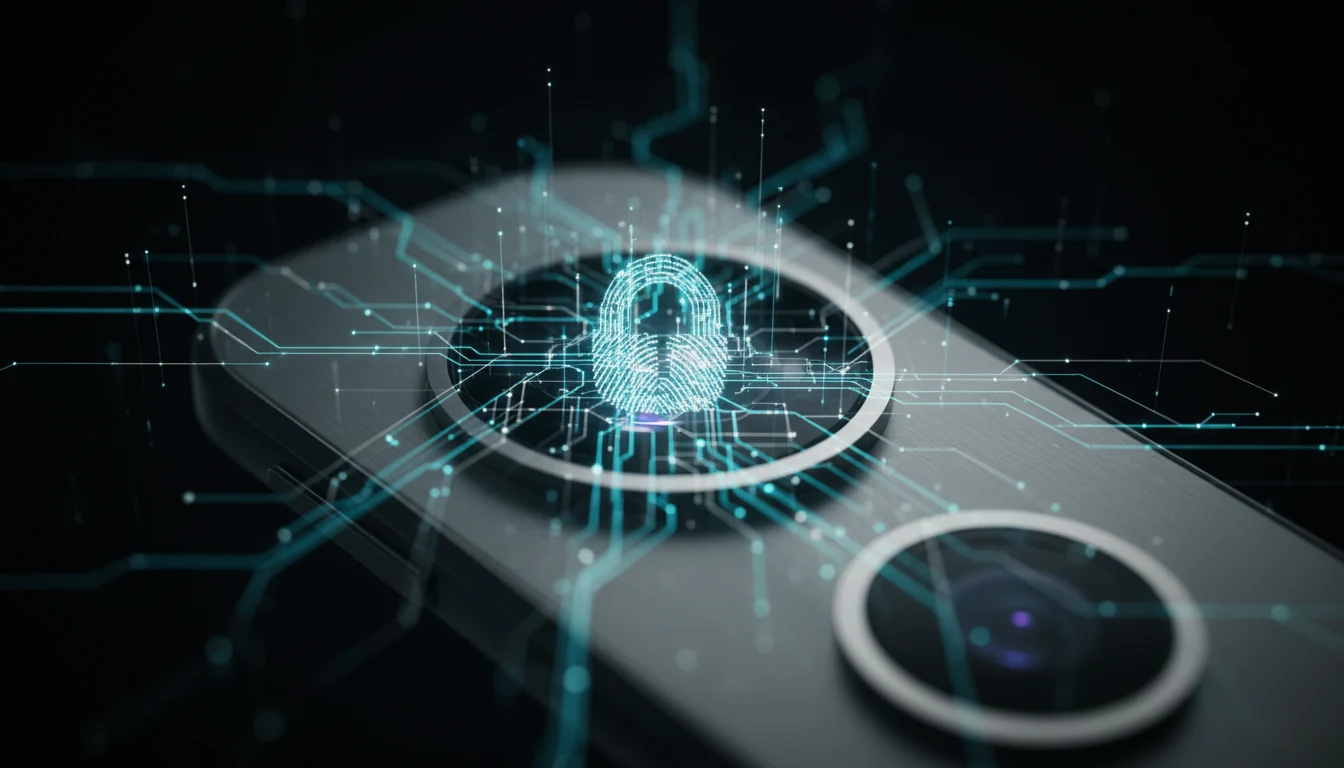
For the past couple of years, the tech industry has been locked in a frustrating cat-and-mouse game: AI image generators become increasingly photorealistic, and AI image detectors scramble to keep up. The uncomfortable truth is that the detectors are losing. Now, Apple is attempting to flip the script entirely. Instead of trying to identify what is fake, they want to cryptographically prove what is real.
With the upcoming iPhone 18 Pro and Pro Max lineup, Apple is introducing a feature called "Reference Image." This isn't just another metadata tag that can be easily stripped away by malicious software. It is a hardware-level authentication system designed to establish a verifiable chain of custody the exact millisecond the shutter clicks.
Think of it as a cryptographic digital negative. When a user switches their camera into Reference mode, the smartphone’s new sensor doesn't just capture light—it digitally "signs every pixel it sees." This raw, signed sensor data is then securely processed through Apple’s Private Cloud Compute infrastructure. The result is an unalterable reference file that lives directly within the native Photos app.
Consider the practical implications for a photojournalist covering a controversial protest, or even a casual user capturing a bizarre, once-in-a-lifetime wildlife encounter. In a world where a flawless, AI-generated image of the exact same scenario is just a text prompt away, proving that you actually witnessed an event is becoming incredibly difficult. If someone questions the authenticity of a dramatic sky or a chaotic street scene, the photographer can simply produce this unalterable reference image. By comparing the reference file against any edited versions, AI manipulations, generative fills, or heavy-handed edits are instantly exposed.
This hardware-based approach represents a crucial pivot in how we handle digital provenance. Software-only watermarks have repeatedly proven vulnerable to tampering. By pushing the authentication process down to the physical camera sensor, Apple is moving away from relying on imperfect post-facto analysis.
While a feature like Reference Image won't stop AI-generated fakes from flooding social media feeds, it creates a secure enclave for authentic content. It ensures that when reality needs to defend itself, it finally has the cryptographic proof to do so.
Key Points
- Apple's upcoming 'Reference Image' feature on the iPhone 18 Pro aims to prove photo authenticity.
- The camera sensor will cryptographically sign every pixel it captures when in Reference mode.
- Apple's Private Cloud Compute processes this data into an unalterable reference file stored in the Photos app.
- This hardware-level approach shifts the industry focus from detecting AI fakes to verifying reality at the source.
Why It Matters
As AI makes it trivial to generate photorealistic fakes, the burden of proof is shifting to authentic media. Hardware-level pixel signing could become the new gold standard for journalists, creators, and anyone needing to verify visual truth.
Sources:
- Apple’s new iPhone camera mode promises to prove your photo isn’t AI — The Verge - AI
更多专栏

Your Next Coworker is a Blob That Orders Burritos
For decades, enterprise software has been synonymous with sterile dashboards, en...

The Midnight Bill: Why AI Agents Demand Hard Budget Caps
The dream of artificial intelligence is to have a tireless digital assistant wor...

Beyond Transformers: How Mamba is Rewriting the Rules of AI Memory
Think about how a human reads a sprawling, thousand-page fantasy series. You don...