The Parrots and the Prompt: How AI is Automating Digital Chores
Have you ever had a highly specific, slightly absurd idea for a presentation slide, only to abandon it because it would take too much time to create? Developer...
Have you ever had a highly specific, slightly absurd idea for a presentation slide, only to abandon it because it would take too much time to create?
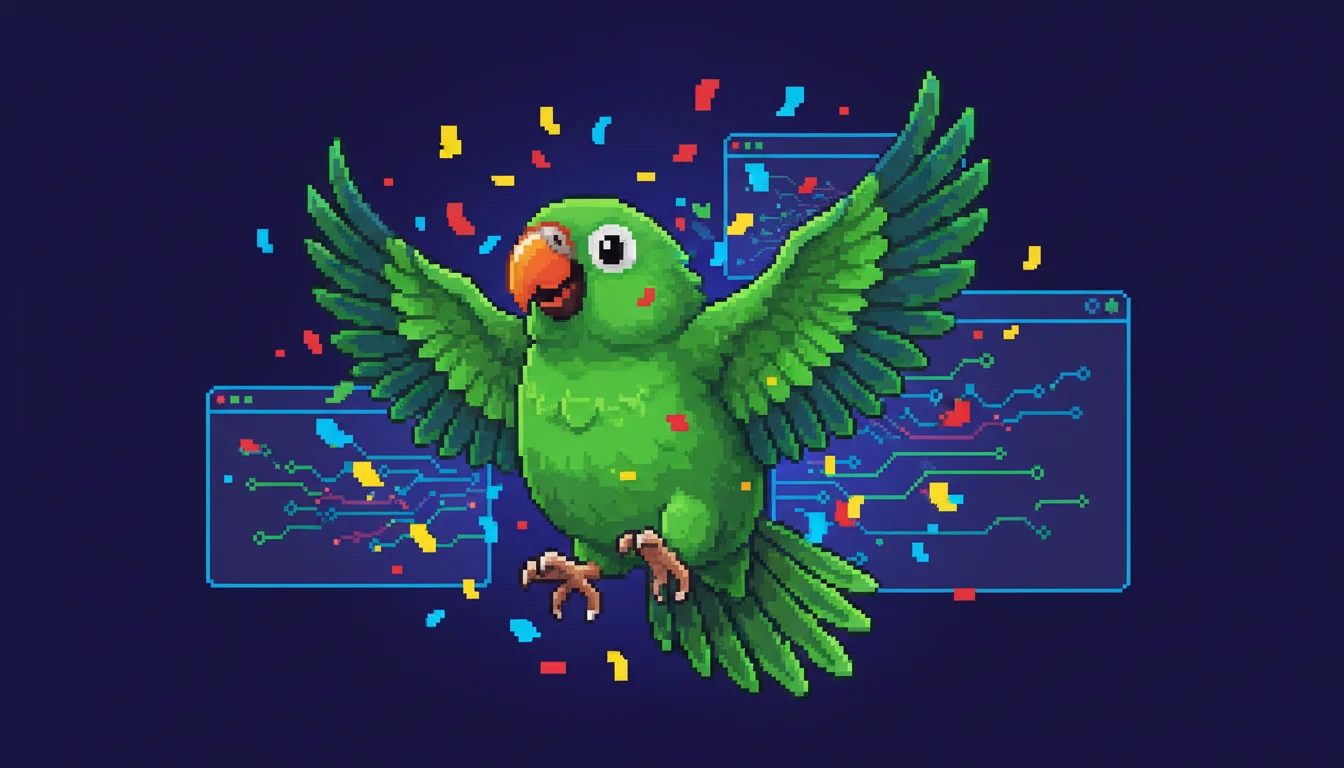
Developer Simon Willison recently faced this exact scenario. While preparing the closing keynote for the WeAreDevelopers World Congress in North America, he wanted to end on a celebratory note: a pixel-art animation of 20 Kākāpō parrots (a critically endangered New Zealand bird) jumping up and down in a shower of confetti. Instead of hiring an illustrator or spending hours coding an HTML5 canvas from scratch, he handed the job to Anthropic’s Claude Opus 5.5. By providing just three reference photos and a brief description, the AI generated a fully functional, interactive web page featuring the dancing parrots.
But the true magic of this workflow happened in the next step. Willison needed a 15-second video of this animation to embed in his Keynote presentation. Because the confetti effect required manual mouse clicks to trigger, the traditional approach would involve setting up screen recording software and awkwardly clicking around the browser window in real-time.
Rather than doing the tedious work himself, he tasked a local AI assistant, Claude Code. He instructed the AI to load the HTML file in a browser, wait three seconds, and then click specific areas of the screen to release the confetti. The AI seamlessly wrote and executed a Python script using the automation tool Playwright. It calculated the exact screen coordinates for the clicks and managed the timing perfectly—tasks that would normally require tedious manual trial and error. The result was a perfectly timed video file, ready for the big screen.
This lighthearted experiment highlights a significant shift in how we interact with artificial intelligence. We are moving past the era where AI merely answers questions, drafts emails, or generates static images. Today’s models can act as end-to-end creative partners. They handle everything from the initial artistic generation to the tedious "glue work" of automating browser clicks and rendering video.
Playwright, for instance, is typically used by software engineers for automated website testing. However, by pairing it with an AI, Willison transformed a highly technical testing framework into a bespoke video production tool. While he is a seasoned developer, the workflow he demonstrated offers a glimpse into the future of everyday digital chores. Imagine asking your computer to not only design a digital greeting card but also to automatically format it, record a preview, and prepare it for sharing—all through simple conversational commands. The Kākāpō party might have been a fun gimmick for a tech conference, but it perfectly illustrates how AI is becoming a practical bridge between human imagination and digital execution.
Key Points
- A developer used Claude Opus 5.5 to generate an interactive pixel-art animation from just three reference photos.
- Instead of manual screen recording, an AI coding assistant (Claude Code) was used to automate the video capture process.
- The AI successfully wrote a script to control a browser, execute timed clicks, and render a 15-second video.
Why It Matters
This workflow demonstrates that AI is no longer just for brainstorming; it can now handle the tedious technical 'glue work' required to bring creative ideas to life.
Sources:
- Kākāpō Party — Simon Willison's Weblog
更多专栏
The Digital Dead Drop: How AI Agents Could Spread 'Worms'
In the world of espionage, spies often use a "dead drop"—a secret, shared locati...

The AI Gadget You Build Yourself: Meta Opens the Door for Makers
The recent wave of dedicated AI hardware has largely been defined by sleek, expe...

Why the Creators of Resident Evil Are Teaming Up With AI
Modern blockbuster video games have a scaling problem. The virtual worlds we lov...