The AI Agronomist: Why Tractors Are Getting Chatbots
Modern tractors are no longer just mechanical beasts of burden; they are rolling data centers. They track soil density, fuel consumption, micro-climates, and...
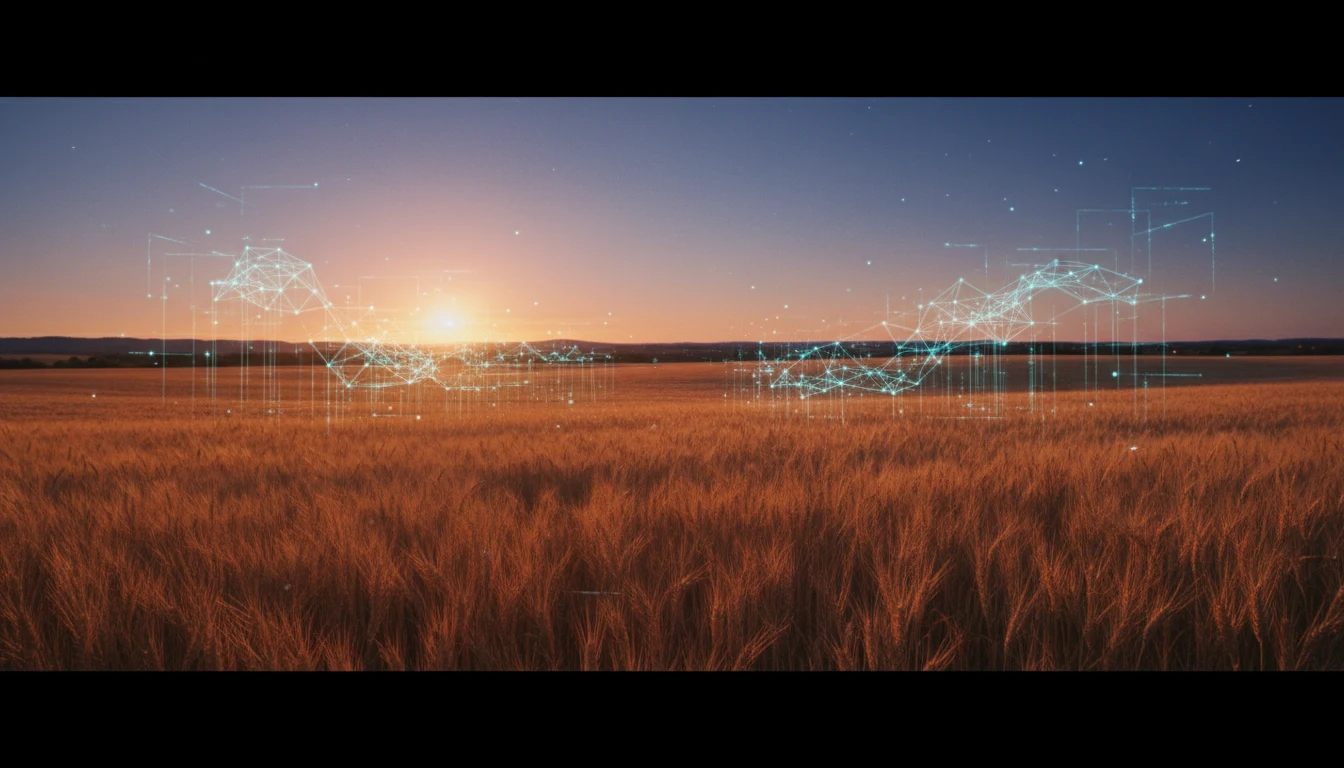
Modern tractors are no longer just mechanical beasts of burden; they are rolling data centers. They track soil density, fuel consumption, micro-climates, and historical yield metrics with astonishing precision. Now, agricultural giant John Deere is attempting to give all that raw data a voice.
The company has launched an Early Access Program for "JD," a bespoke AI assistant designed specifically for farmers. Instead of relying on generalized internet knowledge, JD acts as a highly specialized consultant. By ingesting a farm's unique field, machine, and operational data, the chatbot can answer hyper-local questions. Whether a farmer wants to optimize their combine harvester's settings for a specific crop, reduce fuel usage across their fleet, or determine the exact window for harvest, JD aims to provide actionable insights. The ultimate pitch is simple: use AI to increase farm profitability.
Yet, while the technological leap is impressive—even though John Deere has kept the specific underlying AI architecture under wraps—the real story lies in the friction between innovation and trust.
Data is arguably the most valuable crop harvested on a modern farm. For years, a tense relationship has simmered between John Deere and its user base, culminating in high-profile clashes alongside the FTC over the "right to repair." Farmers have long argued that software locks on equipment prevent them from fixing their own machinery, forcing reliance on official dealers. Introducing an AI that requires deep access to a farmer’s proprietary operational data into this already skeptical environment is a delicate maneuver.
Recognizing this hurdle, John Deere paired the announcement of its AI bot with a 10-point "Farmer Data Commitment." This pledge is a direct attempt to preempt privacy backlash, explicitly stating that the company will not sell the data and that farmers will retain ultimate control over their digital information.
This development highlights a crucial lesson for the broader AI industry: deploying artificial intelligence in traditional sectors is rarely just an engineering challenge. It is a social and legal negotiation. An AI model can only be as effective as the data it is fed, and users will only feed it data if they trust the entity on the other side of the screen. As agriculture moves further into the digital age, the true test for tools like JD won't just be how accurately they predict the harvest, but whether they can cultivate genuine trust.
Key Points
- John Deere is piloting 'JD', an AI chatbot that uses farm-specific data to offer operational advice.
- The tool aims to boost profitability by optimizing fuel use, equipment settings, and harvest timing.
- The launch occurs against a backdrop of historical tension regarding the 'right to repair' agricultural equipment.
- To address privacy concerns, John Deere introduced a 10-point commitment ensuring farmers retain control over their data.
Why It Matters
This initiative illustrates that integrating AI into traditional industries requires more than just smart algorithms; it demands robust data privacy frameworks and the rebuilding of user trust.
Sources:
- John Deere launched an AI chatbot for farmers — The Verge - AI
更多专栏

Your Next Coworker is a Blob That Orders Burritos
For decades, enterprise software has been synonymous with sterile dashboards, en...

The Midnight Bill: Why AI Agents Demand Hard Budget Caps
The dream of artificial intelligence is to have a tireless digital assistant wor...

Beyond Transformers: How Mamba is Rewriting the Rules of AI Memory
Think about how a human reads a sprawling, thousand-page fantasy series. You don...