The Irony of Synthetic Outrage: AI Used to Protest AI
In a twist of modern irony, the very servers that power artificial intelligence are now the target of AI-generated protest art. Across Facebook, hundreds of...
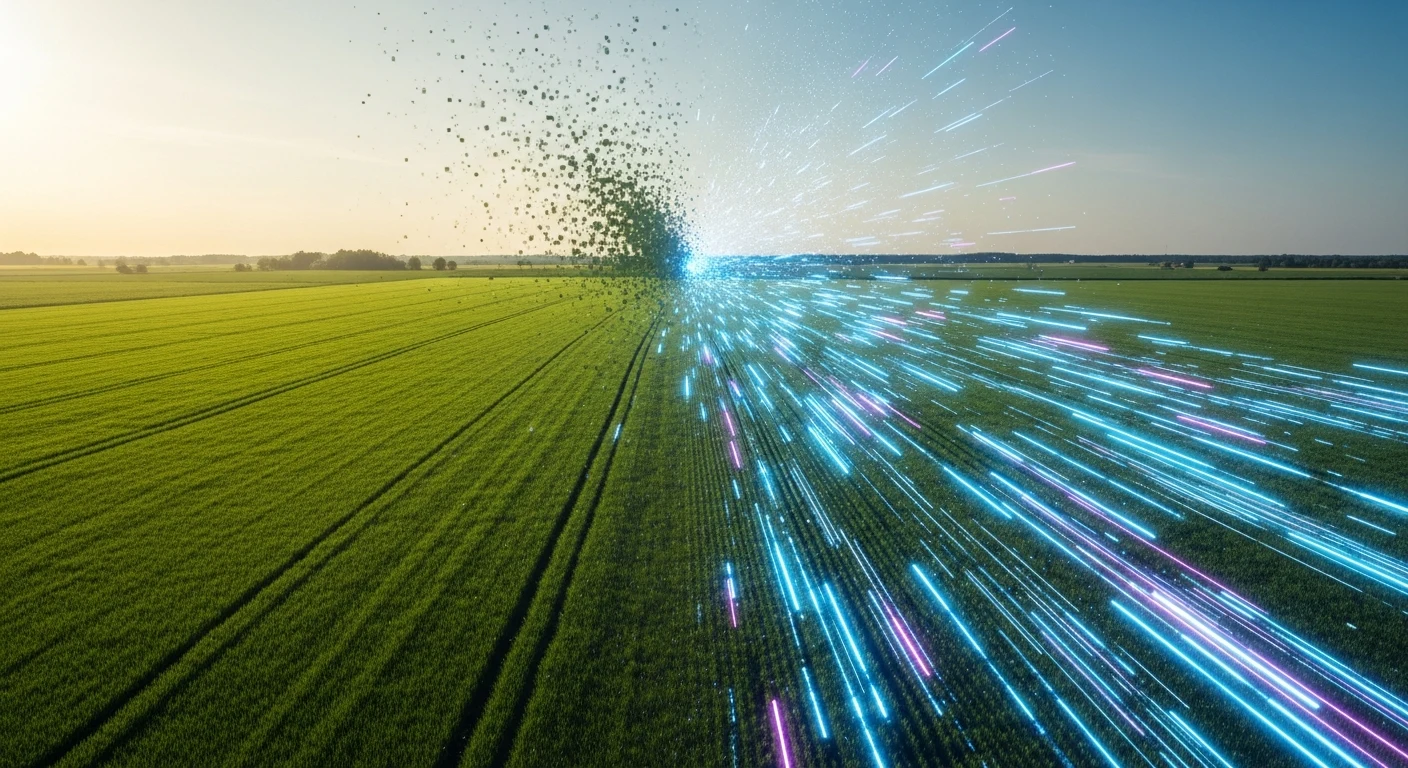
In a twist of modern irony, the very servers that power artificial intelligence are now the target of AI-generated protest art. Across Facebook, hundreds of state-themed pages are churning out viral images of sprawling farmlands with defiant messages "mowed" into the grass, vowing to protect local soil from data center developers. The catch? The fields aren't real, the farmers didn't mow them, and the images were entirely created by AI.
This phenomenon represents the latest evolution of digital engagement farming. Anonymous operators—often managing pages with generic, hyper-local names like "History of Wisconsin" or "Life in Texas"—have discovered that anti-data center sentiment is a highly profitable emotional trigger. To maximize clicks, shares, and ad revenue, they tailor AI-generated content to specific local identities. A fake protest image targeting Michigan features the Great Lakes, while a Kentucky version includes customized nods to bourbon and bluegrass.
These digital grifters aren't just generating landscapes from scratch; they are actively twisting real events to fit their algorithmic needs. In one instance, a spam page repurposed the true story of Delsia Bare, a Kentucky woman who actually turned down a $26 million offer to build a data center on her family's 2,000-acre farm. The page generated an AI image of a woman, slapped an Alabama flag in the background, altered the acreage, and presented it as a local Alabama triumph to farm engagement from regional college football fans.
The reason this synthetic "slop" works so effectively is that it taps into genuine community anxiety. As the AI boom fuels a massive infrastructure build-out across the country, local residents are increasingly pushing back against the reality of living next to data centers. Neighbors are raising valid, pressing concerns about relentless noise, massive water consumption, and surging electricity bills. Michael Whitesides from the nonprofit Local Progress noted that opposing data center expansion has become a rare unifying issue for communities across the political spectrum.
The viral success of these fake posts is a stark reminder of how our information ecosystem operates today. Deeply felt local concerns are quickly identified by algorithms, repackaged by AI, and sold back to the public as synthetic outrage. The ultimate irony shouldn't be lost on anyone: the digital images fueling this grassroots anger are being generated using the exact same massive computing facilities that the posts are protesting.
(Source: 404 Media)
Key Points
- Spam pages on Facebook are generating fake AI images of rural protests against data centers to farm engagement.
- These digital grifters repurpose real stories, altering locations and facts to trigger emotional responses from specific local demographics.
- The viral success of this "AI slop" highlights genuine, growing public anxiety over the environmental and infrastructural impact of data centers.
- In a striking irony, the computing power required to generate these anti-data center images comes from the very facilities they oppose.
Why It Matters
This trend demonstrates how the engagement economy uses AI to identify and exploit genuine local anxieties, turning real-world infrastructural debates into synthetic clickbait.
Sources:
更多专栏

Your Next Coworker is a Blob That Orders Burritos
For decades, enterprise software has been synonymous with sterile dashboards, en...

The Midnight Bill: Why AI Agents Demand Hard Budget Caps
The dream of artificial intelligence is to have a tireless digital assistant wor...

Beyond Transformers: How Mamba is Rewriting the Rules of AI Memory
Think about how a human reads a sprawling, thousand-page fantasy series. You don...