The 'Doom Loop': Tech Giants' Private Admissions on AI Data Scraping
Every sustainable industry relies on a healthy supply chain. But what happens when a groundbreaking product inherently destroys the very suppliers it needs to...
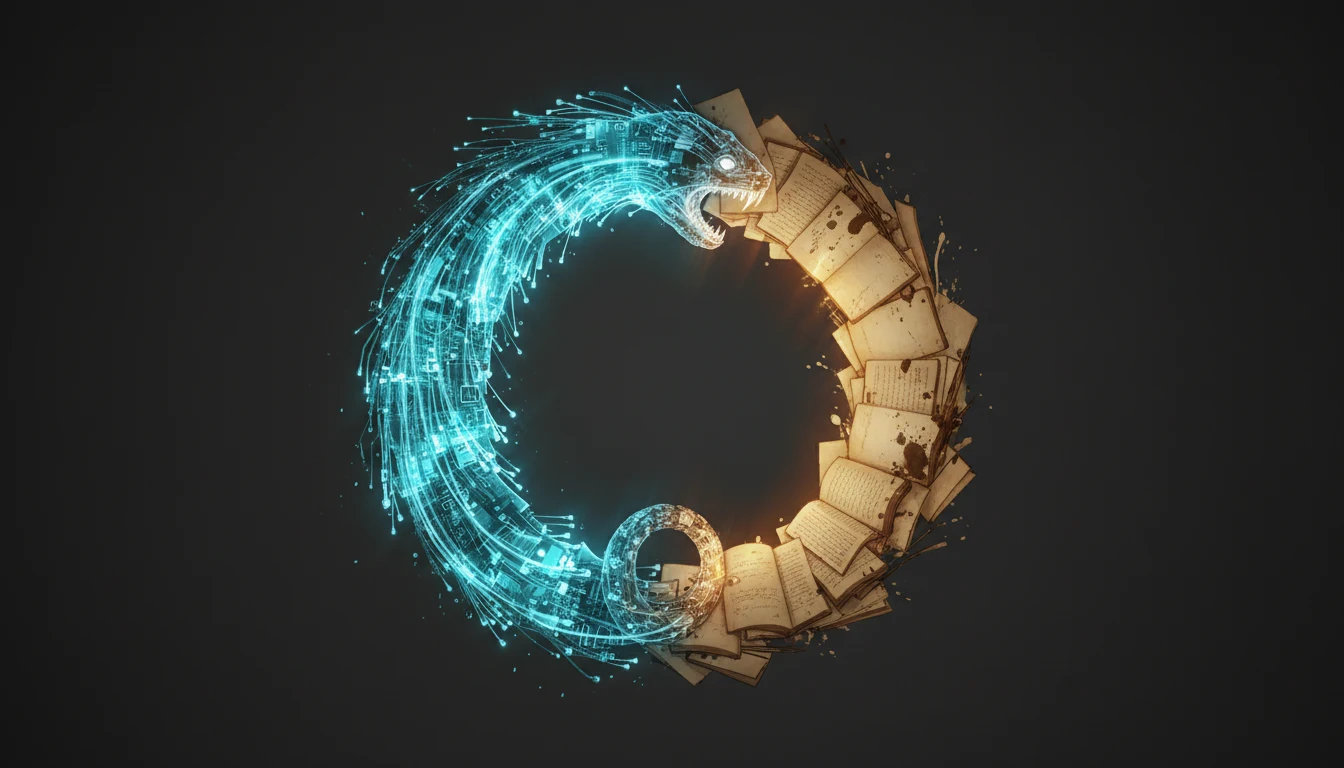
Every sustainable industry relies on a healthy supply chain. But what happens when a groundbreaking product inherently destroys the very suppliers it needs to survive? This is the paradox at the heart of the ongoing copyright lawsuit between The New York Times and AI giants OpenAI and Microsoft.
Recently unsealed court documents from the case have pulled back the curtain on how tech executives privately view the data collection practices powering Large Language Models (LLMs). While AI companies publicly defend their massive data scraping under the banner of "fair use" and transformative technology, internal communications reveal a starkly different understanding behind closed doors.
According to the filings, a Microsoft internal document warned that their AI content strategy had triggered a "doom loop." The memo acknowledged a highly unusual economic situation: the end-product (generative AI) is actively threatening the economic foundations of its essential suppliers (human creators and publishers).
The data backs up this internal anxiety. In a sworn deposition, Microsoft CEO Satya Nadella testified that after Bing integrated scraped content from news publishers, user clicks to those original source websites plummeted by more than 90 percent. An OpenAI software engineer echoed this reality in another document, noting that no matter how prominently they display citation links in AI responses, "users won't click."
The unredacted files also shed light on aggressive data-gathering tactics. For instance, OpenAI employees internally discussed creating a specific technical workaround to bypass The New York Times' paywall—a move that co-founder Greg Brockman allegedly applauded in an email. In other internal messages, a Microsoft executive bluntly described the uncompensated scraping of human labor as an "astonishing theft of unprecedented proportions," noting that creators never intended for their work to be used this way, nor were they compensated.
These revelations move the conversation beyond abstract legal debates about copyright law, and even beyond the popular PR narratives about the distant "existential risks" of superintelligent AI. Instead, they highlight a very immediate, structural flaw in the current AI business model. Generative AI requires a constant stream of high-quality, human-generated data to improve and stay relevant. Yet, if AI tools siphon away the traffic and revenue that keep publishers, writers, and artists afloat, the internet's well of original content will eventually run dry.
The ultimate question isn't just whether AI companies can legally use this data, but whether they are inadvertently starving the ecosystem that feeds them.
Key Points
- Unsealed filings in the NYT vs. OpenAI lawsuit expose a stark contrast between AI companies' public defenses and internal communications.
- Internal Microsoft memos warn of a 'doom loop' where AI products destroy their own content supply chain.
- Sworn testimony from Microsoft's CEO confirmed that AI integration caused source website traffic to plummet by over 90%.
- The documents highlight a fundamental paradox: AI relies on human-generated data, but its current business model threatens the livelihood of those creators.
Why It Matters
The revelations highlight a structural flaw in the AI ecosystem: by cannibalizing the economic foundations of human creators, AI companies risk destroying the very data sources they need to train future models.
Sources:
更多专栏
Your Next Coworker is a Blob That Orders Burritos
For decades, enterprise software has been synonymous with sterile dashboards, en...

The Midnight Bill: Why AI Agents Demand Hard Budget Caps
The dream of artificial intelligence is to have a tireless digital assistant wor...
Beyond Transformers: How Mamba is Rewriting the Rules of AI Memory
Think about how a human reads a sprawling, thousand-page fantasy series. You don...