Roland's New AI Refuses to Write the Whole Song
For decades, the name Roland has been synonymous with the physical hardware that defined modern music. If you have ever nodded your head to hip-hop, synth-pop,...
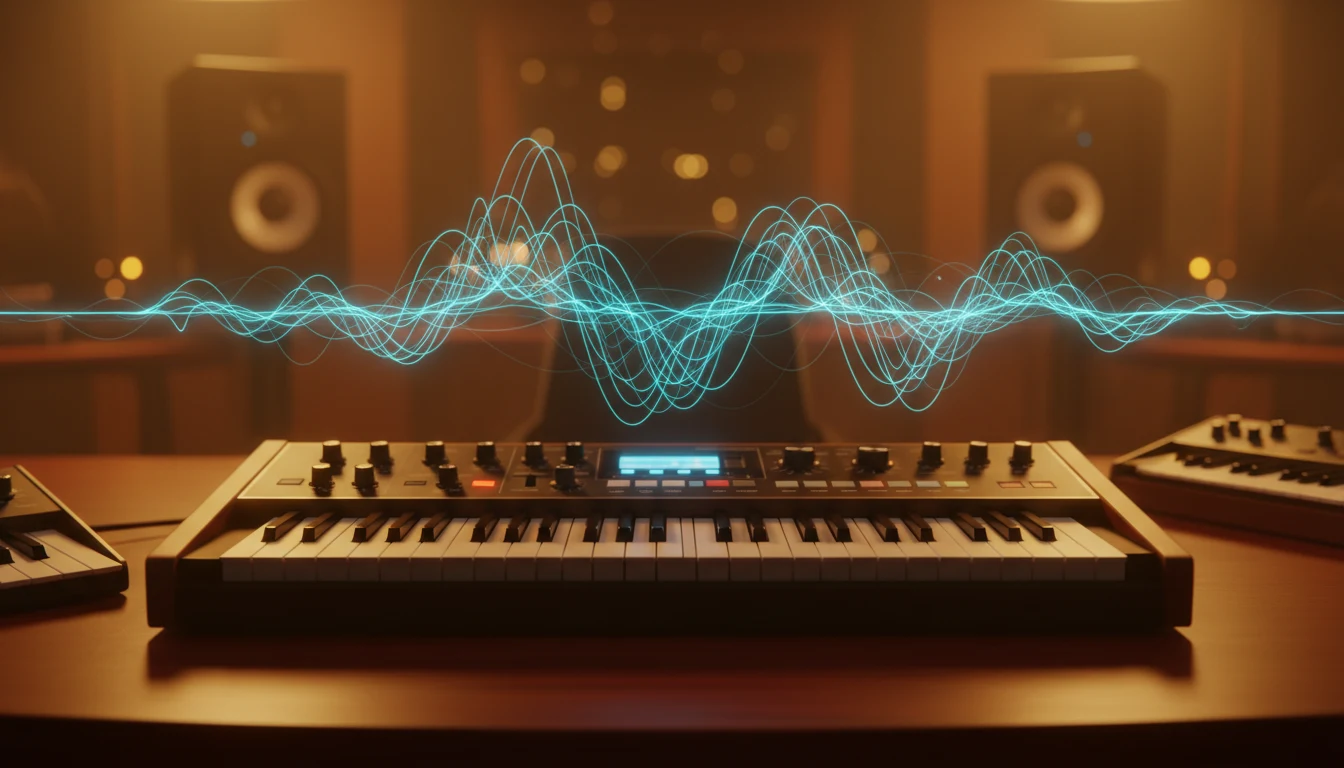
For decades, the name Roland has been synonymous with the physical hardware that defined modern music. If you have ever nodded your head to hip-hop, synth-pop, or techno, you have heard the unmistakable boom of their legendary drum machines and synthesizers. Now, the iconic brand is stepping into the intangible world of artificial intelligence—but they are doing it entirely on their own terms.
Meet Melody Flip, Roland's first major foray into the generative AI music space. Unlike viral AI platforms such as Suno or Udio, which function like magical jukeboxes turning text prompts into fully mixed songs with vocals, Melody Flip takes a decidedly different approach. It is not trying to make the song for you; it wants to help you write it.
Every producer knows the dread of the blinking cursor on a blank timeline. Melody Flip is designed to cure that specific strain of writer's block. Operating as a plug-in for digital audio workstations (DAWs), it acts more like a tireless studio collaborator than an automated factory. The software comes loaded with around 250 "Palettes"—curated collections of musical ideas categorized by genre.
Producers can ask the AI to generate a fresh melody, build a chord progression, lay down a bassline, or program a drum loop from scratch. Alternatively, if a musician already has a rough sketch of a track, they can feed it into the system, and the AI will intelligently build upon those existing melodic ideas. It bridges the gap between a blank slate and a finished concept, allowing the human artist to remain the ultimate director of the sound.
This distinction is crucial for the future of creative AI. While "push-button" AI music generators are fantastic for casual experimentation, they often leave professional and hobbyist producers feeling sidelined. By integrating directly into the standard workflow of a DAW and refusing to output fully polished, finished tracks, Roland is sending a clear message: AI should be a tool for the artist, not a replacement for them.
As generative technology continues to seep into every creative industry, the anxiety around human obsolescence is palpable. Yet, tools like Melody Flip offer a reassuring counter-narrative. They remind us that the best use of AI in the studio might not be an algorithm that writes the whole symphony, but a digital bandmate that throws out a great riff when you are stuck, leaving the joy of actually making music exactly where it belongs—in your hands.
Key Points
- Roland has launched Melody Flip, a generative AI plug-in for DAWs.
- Unlike Suno or Udio, it does not generate full songs or vocals.
- It offers ~250 'Palettes' to generate melodies, chords, basslines, or drums.
- Users can start from scratch or feed the AI a reference track to build upon.
- The tool is designed to cure writer's block and assist, rather than replace, human producers.
Why It Matters
By designing an AI that integrates into existing workflows to provide raw musical ideas rather than finished tracks, Roland is championing a future where technology empowers human creativity instead of replacing it.
Sources:
- Roland is getting into generative AI music with Melody Flip — The Verge - AI
更多专栏

Your Next Coworker is a Blob That Orders Burritos
For decades, enterprise software has been synonymous with sterile dashboards, en...

The Midnight Bill: Why AI Agents Demand Hard Budget Caps
The dream of artificial intelligence is to have a tireless digital assistant wor...

Beyond Transformers: How Mamba is Rewriting the Rules of AI Memory
Think about how a human reads a sprawling, thousand-page fantasy series. You don...