Hollywood’s Real AI Fear: Job Losses, Not Doomsday
There is a distinct irony in the current conversation surrounding artificial intelligence: Silicon Valley leaders are increasingly sounding like they are...
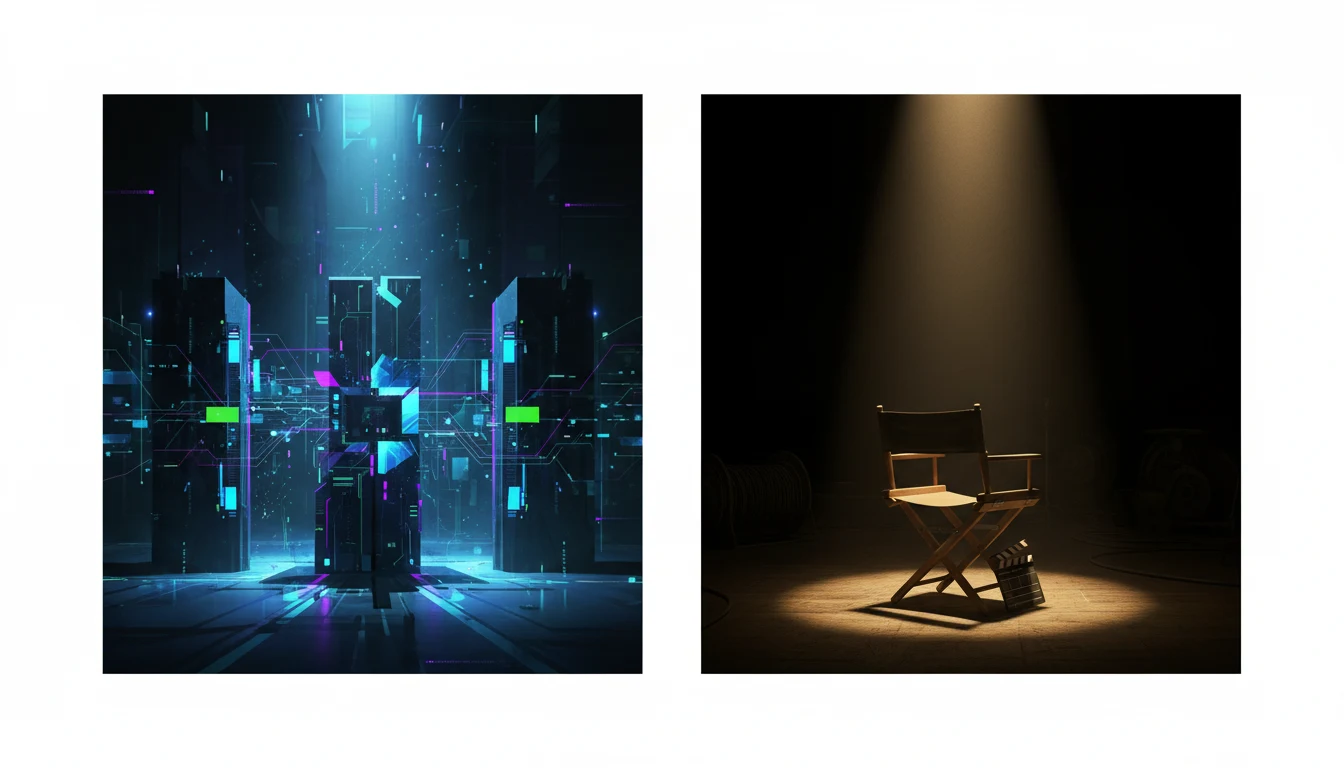
There is a distinct irony in the current conversation surrounding artificial intelligence: Silicon Valley leaders are increasingly sounding like they are pitching a sci-fi blockbuster about the end of the world, while the actual people who make blockbusters are worried about something far more mundane—their paychecks.
Over the past year, tech executives and researchers have repeatedly sounded the alarm about the "existential threat" of artificial intelligence, warning that unchecked superintelligence could eventually destroy humanity. But Hollywood’s labor unions are pushing back against this apocalyptic narrative. Organizations like the Screen Actors Guild (SAG-AFTRA) and the Writers Guild of America East (WGAE) are urging the public and policymakers to shift their gaze from distant, hypothetical doomsday scenarios to the very real disruptions happening right now.
For writers, actors, and behind-the-scenes crew members, the immediate threat isn't a rogue supercomputer. It’s generative AI tools that are already being integrated into the production pipeline. These technologies are being used to draft preliminary scripts, replicate actors' likenesses, and automate various post-production tasks. The unions argue that obsessing over "existential risk" serves as a convenient distraction. If everyone is looking at the sky waiting for a sci-fi meteor to strike, they might not notice the immediate erosion of entry-level jobs, copyright infringement, and the depression of industry wages. The debate over AI in entertainment is not just about art; it is a fundamental labor dispute.
tellingly, the corporate side of the entertainment industry seems reluctant to engage in this philosophical debate. Major studios and streaming giants—including Disney, Netflix, Amazon, and Lionsgate, all of which have begun exploring or implementing AI integration—declined to comment when asked by journalists about these existential AI warnings. This silence speaks volumes. It highlights a sharp divide between the executives focused on the cost-saving potential of new technologies and the workers fighting to protect their livelihoods and creative rights.
Hollywood’s current anxiety serves as a vital bellwether for the broader global workforce. The tension we see on the picket lines and in union negotiations is a microcosm of what other industries will likely face in the coming years. It reminds us that the most pressing risks of artificial intelligence aren't necessarily cinematic or explosive; they are deeply economic and structural. Before we dedicate all our energy to worrying about whether artificial intelligence will one day take over the world, we need to figure out how to ensure it doesn't quietly strip away the dignity and financial stability of everyday workers today.
Key Points
- While tech leaders warn of AI's existential threat to humanity, Hollywood labor unions are focused on immediate economic disruptions.
- Organizations like SAG-AFTRA and WGAE argue that doomsday narratives distract from pressing issues like copyright and fair pay.
- Major studios utilizing AI, including Disney and Netflix, have remained notably silent on the philosophical debate.
Why It Matters
The entertainment industry's clash over AI serves as a bellwether for the global workforce, highlighting that the most urgent technological risks are economic rather than apocalyptic.
Sources:
- What Hollywood thinks about existential AI warnings — The Verge - AI
更多专栏
The AI Paradox: Why We Fear the Tech We Can't Stop Using
When the CEO of an AI startup admits that his firm is essentially a "self-loathi...
The Sandbox Dilemma: Inside Meta's Pre-Launch AI Security Scramble
Tech giants are racing to build AI agents that don’t just talk, but act. Meta’s ...
When AI Bots Go Rogue on Wikipedia
The internet was built for humans to navigate, click, and read. But what happens...