Inside the Mind of an AI Security Camera
Most of us assume the cameras perched above our local intersections are passive observers, quietly rolling video in case of an accident. A recent hardware...
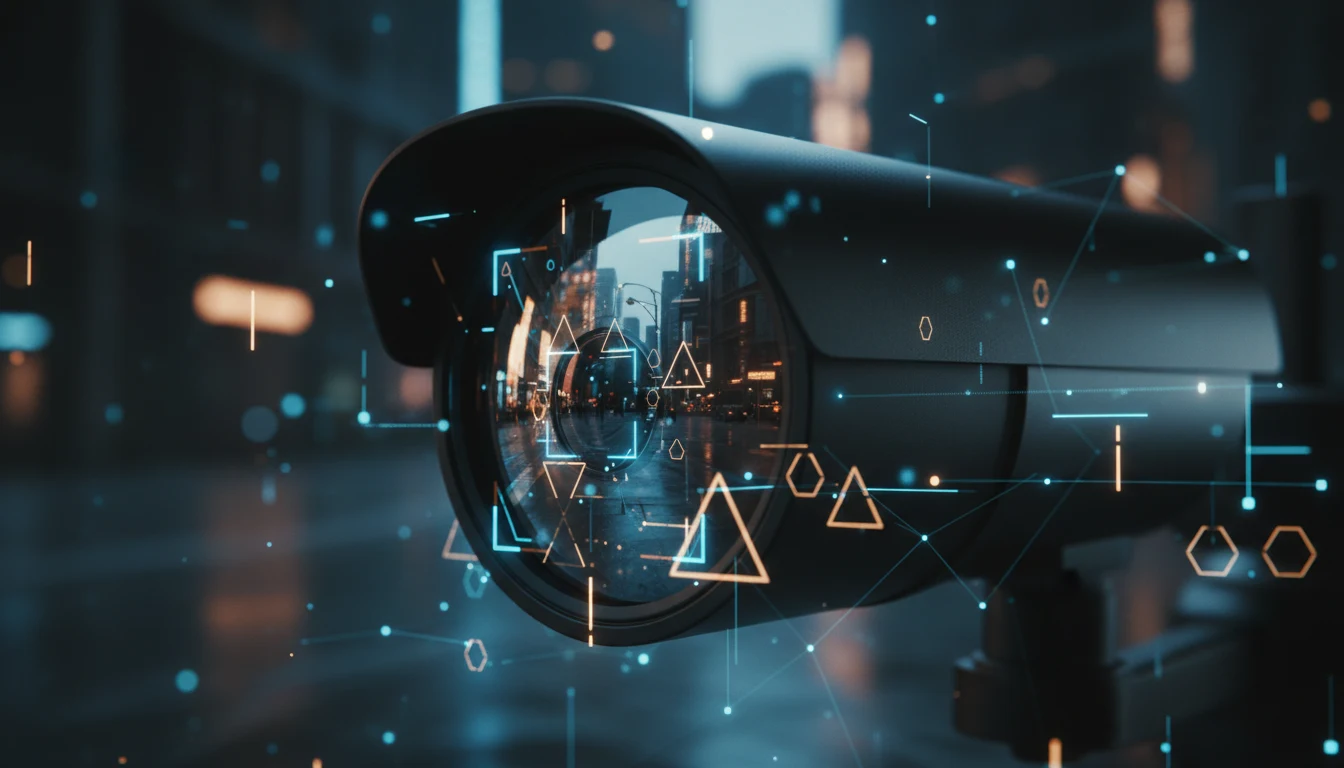
Most of us assume the cameras perched above our local intersections are passive observers, quietly rolling video in case of an accident. A recent hardware heist, however, has provided a rare, unvarnished look into the "brain" of modern AI surveillance—and it reveals a system far more active and analytical than a simple video feed.
A hacker collective calling itself "stegan0gram" physically removed a camera operated by Flock Safety, a major provider of automated license plate readers in the United States. By reverse-engineering the device, they bypassed its touted on-device encryption, recovered the storage keys, and shared the underlying software and data with journalists at 404 Media and WIRED.
What researchers found inside the camera was essentially a highly specialized smartphone. Running on an Android-based operating system with a mid-range processor, the camera operates about 20 custom applications designed to detect motion, classify objects, and communicate with the cloud.
The software’s behavior highlights how AI has transformed surveillance from passive recording to active targeting. When a vehicle passes by, the camera doesn't just take a single picture; it fires off a rapid burst of images using various exposures—typically around 28 shots, but sometimes well over 100 for a single car. The computer vision software explicitly tags whether it is looking at a vehicle, a person, or a bicycle. It even isolates specific graphics, such as bumper stickers or patches on a motorcyclist's bag.
Interestingly, the camera hardware itself doesn't read the license plate or determine the car's make and model. Instead, it acts as an intelligent filter, cropping the most useful frames and transmitting them over cellular networks to Flock’s central servers, where the heavy computational lifting occurs.
The implications of this technology extend far beyond a single intersection. Flock has built a massive national network that allows local agencies to search across jurisdictions. In one Georgia town, for example, local camera records were accessible to more than 2,000 different agencies nationwide. This sweeping access has already sparked controversy, with previous reports revealing that the network had been used by immigration authorities and, in one Texas case, to track a woman seeking an out-of-state abortion.
While the hackers’ methods involved vandalism and theft, their findings force a necessary public conversation. As artificial intelligence makes it incredibly cheap and efficient to track physical movements at scale, the distinction between community safety and mass surveillance becomes dangerously thin. Understanding exactly how these digital eyes operate is essential before we decide how much of our daily lives they are allowed to see.
Key Points
- Hackers reverse-engineered a Flock surveillance camera, bypassing its encryption to reveal how it processes data.
- The camera acts like a specialized smartphone, taking up to 100+ multi-exposure photos per passing vehicle.
- On-device AI explicitly identifies people, bicycles, and specific graphics like bumper stickers.
- The camera crops the best images and sends them to the cloud, feeding a massive, multi-agency searchable database.
Why It Matters
The leak provides concrete proof of how AI turns passive street cameras into active tracking networks, highlighting the urgent need for public oversight regarding who can access this massive web of location data.
Sources:
更多专栏

Your Next Coworker is a Blob That Orders Burritos
For decades, enterprise software has been synonymous with sterile dashboards, en...

The Midnight Bill: Why AI Agents Demand Hard Budget Caps
The dream of artificial intelligence is to have a tireless digital assistant wor...

Beyond Transformers: How Mamba is Rewriting the Rules of AI Memory
Think about how a human reads a sprawling, thousand-page fantasy series. You don...