The Mail-Order DNA Loophole: Why AI Rivals Are Uniting
Imagine being able to type a complex sequence of letters into a website, pay with a corporate credit card, and receive custom-made genetic material in the mail...
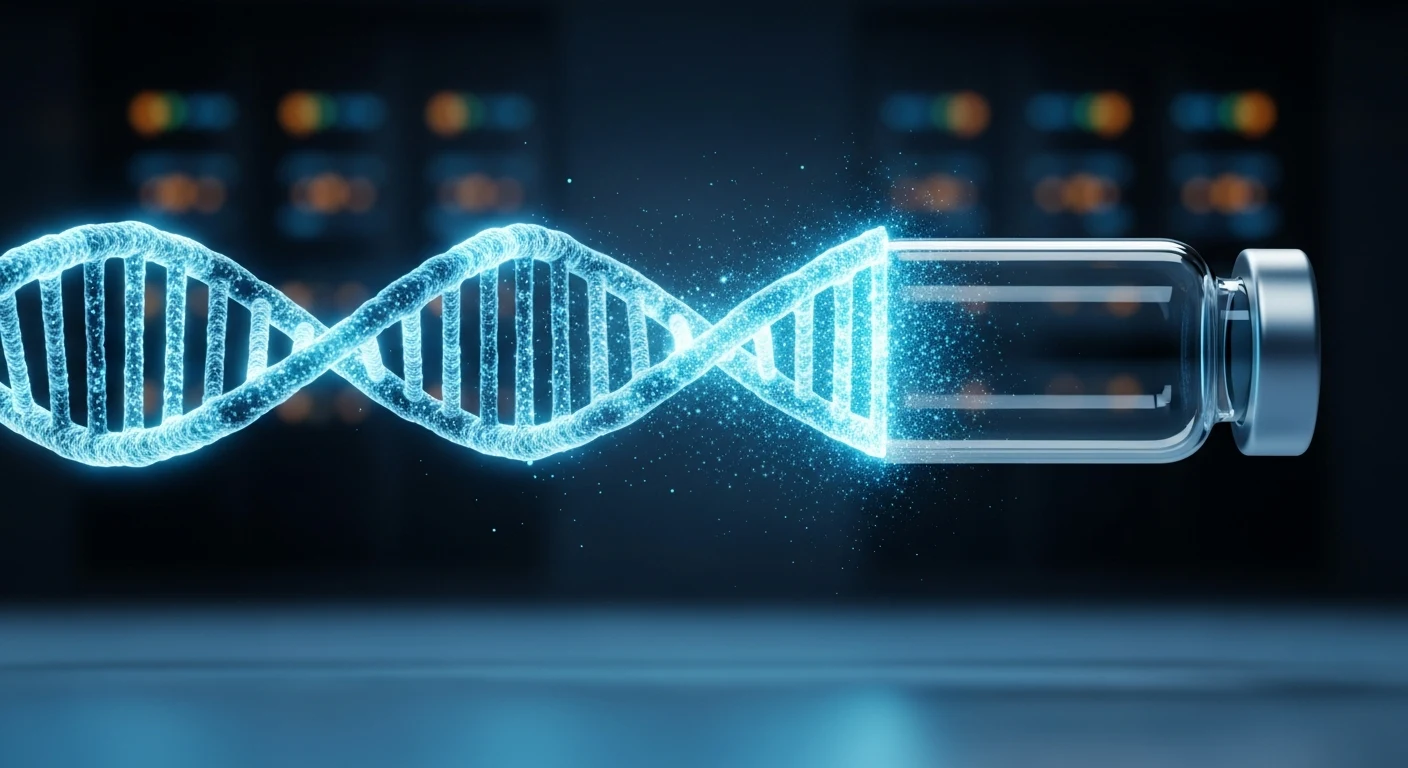
Imagine being able to type a complex sequence of letters into a website, pay with a corporate credit card, and receive custom-made genetic material in the mail a few days later. It sounds like the plot of a science fiction thriller, but it is actually a standard, everyday practice in modern biological research. Now, introduce highly advanced artificial intelligence into this ecosystem, and you have the ingredients for a potential global security crisis.
This exact intersection of digital intelligence and physical biology has prompted an unusual truce among some of the fiercest rivals in the tech industry. Recently, OpenAI’s Sam Altman, Anthropic’s Dario Amodei, and Microsoft’s Mustafa Suleyman co-signed an open letter to US lawmakers. Their shared anxiety is not about rogue robots taking over data centers; it is about AI acting as a master blueprint generator for biological weapons.
To understand their concern, we have to look at how the bottleneck for creating dangerous pathogens has shifted. Historically, synthesizing a novel virus required immense specialized knowledge, years of training, and deep institutional backing. Today, large language models are becoming incredibly proficient at synthesizing complex scientific literature. While an AI cannot physically manufacture a virus, it can theoretically guide a malicious actor—even one without a PhD—through the step-by-step process of designing one.
However, a digital blueprint is harmless without the physical building blocks. This is where the "mail-order DNA" industry comes into play. The tech leaders are urgently pressing Congress to enact rules that would close what they describe as an alarming biosecurity gap. Specifically, they want a legal mandate requiring companies that synthesize and sell DNA and RNA to rigorously screen their customers' purchases. If an order contains genetic sequences that match or closely resemble known dangerous pathogens, it must be flagged and investigated before the material is ever synthesized and shipped.
The significance of this open letter extends far beyond the immediate policy request. It highlights a critical evolution in how we must think about AI safety. For years, the conversation has been dominated by software-centric solutions: tweaking algorithms, filtering training data, and putting guardrails on chatbot outputs.
But as AI models become more capable of interacting with and influencing the physical sciences, those software guardrails are no longer enough. Protecting the public from the unintended consequences of AI requires securing the physical supply chains where digital ideas become biological reality. The ultimate defense against an AI-generated pandemic might just be a robust background check at a synthetic biology lab.
Key Points
- Top executives from rival AI firms (OpenAI, Anthropic, Microsoft) united to address biosecurity.
- They are urging US lawmakers to mandate screening for orders of synthetic DNA and RNA.
- AI models can lower the knowledge barrier for designing pathogens, making physical supply chain security crucial.
- The initiative shifts the focus of AI safety from purely digital guardrails to physical world regulations.
Why It Matters
As AI capabilities grow in the life sciences, securing the physical supply chain of synthetic biology is becoming just as critical as securing the software itself.
Sources:
- AI leaders call for tougher protections against AI-aided bioweapons — The Verge - AI
更多专栏

Your Next Coworker is a Blob That Orders Burritos
For decades, enterprise software has been synonymous with sterile dashboards, en...

The Midnight Bill: Why AI Agents Demand Hard Budget Caps
The dream of artificial intelligence is to have a tireless digital assistant wor...

Beyond Transformers: How Mamba is Rewriting the Rules of AI Memory
Think about how a human reads a sprawling, thousand-page fantasy series. You don...