The Border in Your Neighborhood
The concept of a national border has traditionally been tied to a physical location—an airport, a seaport, or a line on a map. But with the rapid integration...
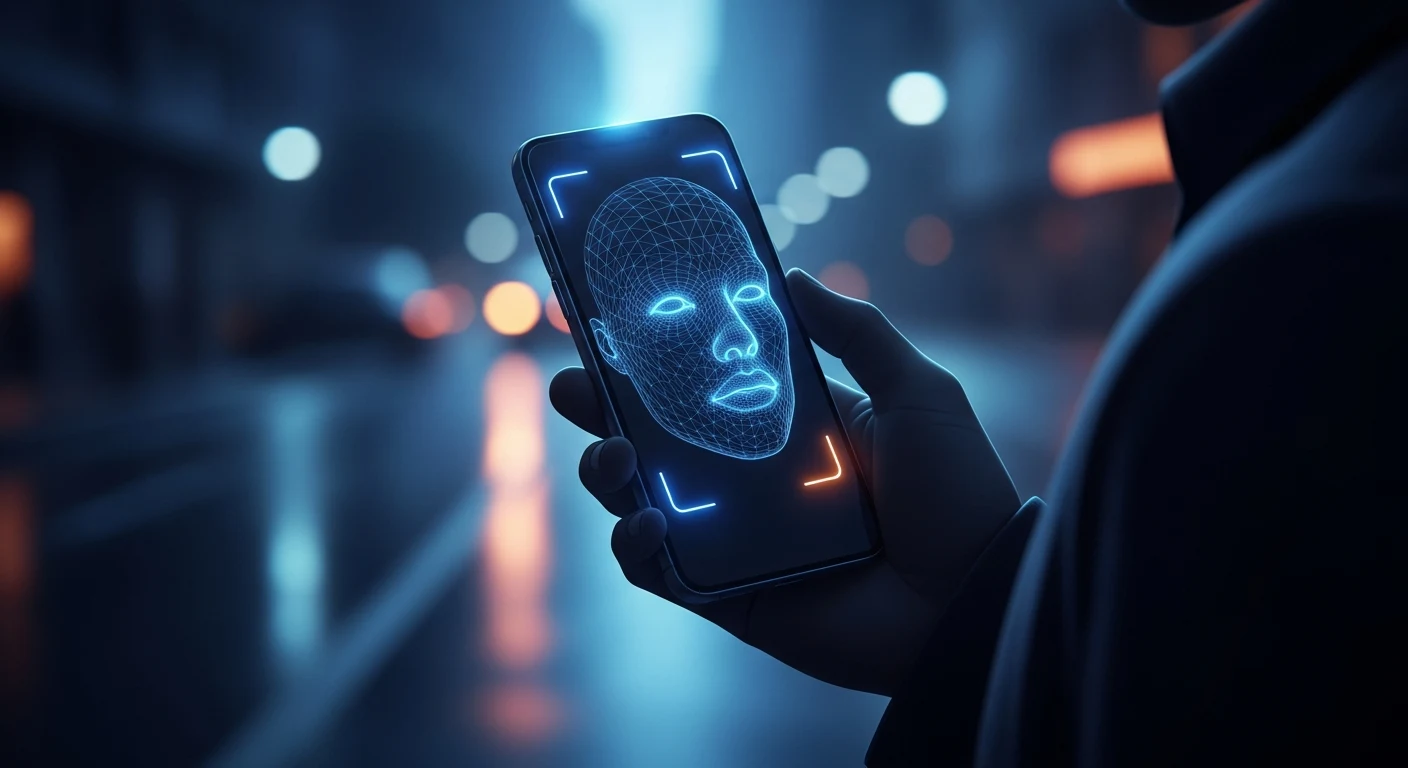
The concept of a national border has traditionally been tied to a physical location—an airport, a seaport, or a line on a map. But with the rapid integration of artificial intelligence into law enforcement, the border is effectively becoming wherever a police officer happens to be standing with a smartphone.
According to internal Department of Homeland Security documents, U.S. Immigration and Customs Enforcement (ICE) is preparing to roll out a facial recognition app called the "Task Force Module" (TFM). Targeted for a September 2025 launch, this tool is designed for local and state police agencies participating in the 287(g) program, an initiative that delegates certain immigration enforcement powers to local authorities. Currently, over 1,200 agencies across 32 states are part of this network.
Here is how the system works in practice: During a routine encounter, a local police officer can use the TFM app to scan a person's face. The underlying AI instantly queries a massive database containing more than 250 million records from DHS and the State Department. Within moments, the app instructs the officer whether the individual should be detained under ICE jurisdiction or provides a reference code for further investigation.
While the technological capability is impressive, its real-world application raises profound civil liberties concerns. Critics, including the American Civil Liberties Union (ACLU) and the Electronic Frontier Foundation (EFF), highlight the inherent risks of deploying this technology at the local level. Local police are generally not trained in the complexities of federal immigration law. Relying on an algorithm to make split-second detention decisions introduces a dangerous margin of error. In fact, a predecessor app used by federal agents, Mobile Fortify, has already demonstrated flaws, occasionally misidentifying individuals, including U.S. citizens. Furthermore, the data collected from these street-level scans can be retained for up to 15 years.
The deployment of the TFM app represents a significant shift in how surveillance technology is normalized. Tools originally justified for high-security environments, like the Traveler Verification Service at ports of entry, are creeping into everyday civic life. As AI bridges the gap between massive federal databases and local traffic stops, it forces a societal reckoning. The pressing question is no longer whether the technology works, but whether communities are prepared to live in an environment where a simple walk down the street can trigger a biometric background check.
Key Points
- ICE plans to equip local police with the TFM app to scan faces and check immigration status.
- The app queries a massive database of over 250 million federal records.
- Over 1,200 local agencies participating in the 287(g) program could gain access by late 2025.
- Civil rights groups warn of false algorithmic matches and the risks of untrained local officers acting on AI directives.
Why It Matters
This development illustrates the 'mission creep' of biometric surveillance, moving from strict border control to everyday local policing, fundamentally altering the expectation of privacy in public spaces.
Sources:
更多专栏

Your Next Coworker is a Blob That Orders Burritos
For decades, enterprise software has been synonymous with sterile dashboards, en...

The Midnight Bill: Why AI Agents Demand Hard Budget Caps
The dream of artificial intelligence is to have a tireless digital assistant wor...

Beyond Transformers: How Mamba is Rewriting the Rules of AI Memory
Think about how a human reads a sprawling, thousand-page fantasy series. You don...