Severing the Cloud String: The Rise of the Local Smart Home
For years, the promise of the smart home has been tethered to an invisible, sometimes fragile string: the cloud. Every time you ask a voice assistant to turn...
For years, the promise of the smart home has been tethered to an invisible, sometimes fragile string: the cloud. Every time you ask a voice assistant to turn down the thermostat or check a security camera, that data typically travels to a remote server hundreds of miles away before an action is executed. While this cloud-centric model has enabled complex voice recognition, it has also sparked widespread unease about privacy and data security.
But the architecture of the smart home is beginning to shift inward. At the recent IFA tech show, hardware maker Ugreen—a company traditionally known for power banks and Network Attached Storage (NAS) solutions—showcased a compelling alternative. They unveiled HomeAgent, a smart home platform designed around a "local-first" philosophy.
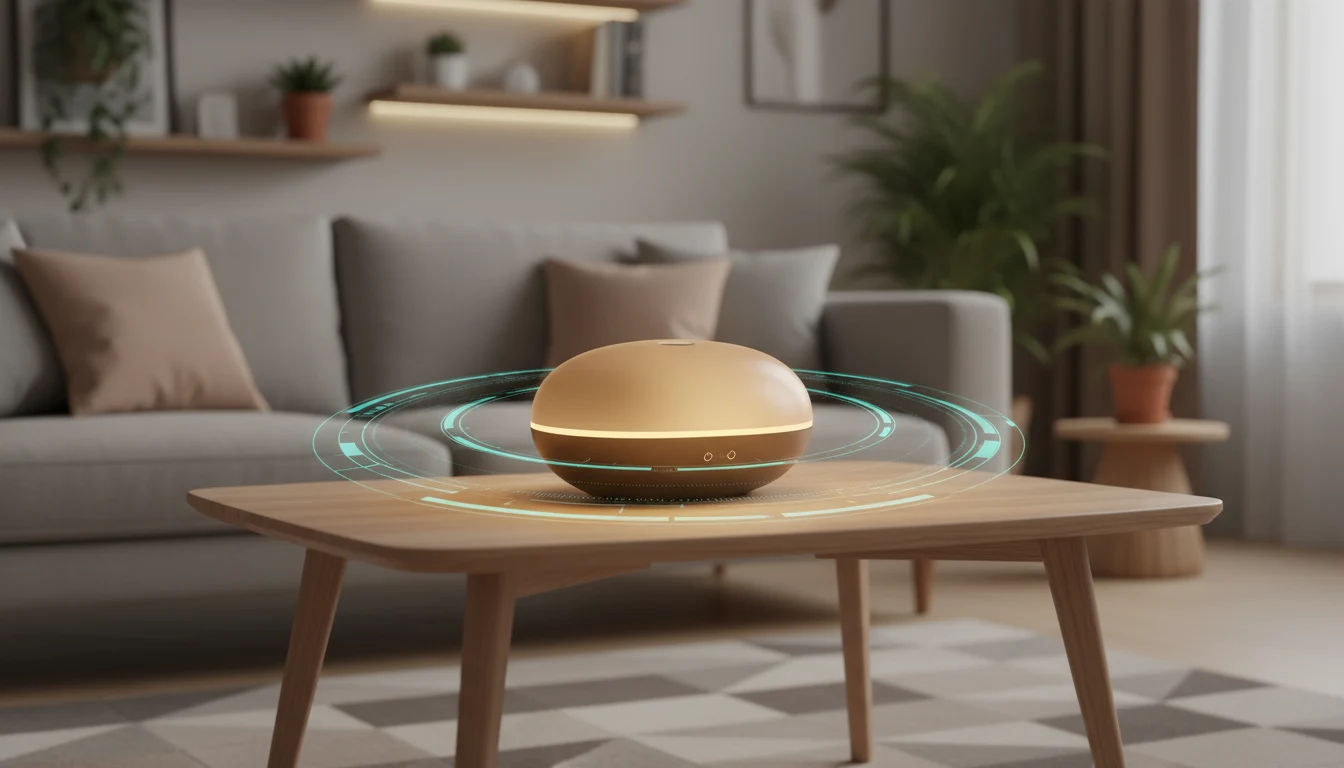
The centerpiece of this ecosystem is the HomeAgent H100 Pro hub. Rather than acting as a mere bridge to the internet, it serves as an autonomous brain for the house. It integrates local storage for security camera footage and utilizes on-device AI. Furthermore, it introduces Uliya, a natural-language voice assistant built to process commands directly on the hardware.
This approach highlights a growing industry pivot toward edge computing in consumer electronics. When a company with deep roots in data storage enters the smart home arena, the priority naturally shifts from data harvesting to data sovereignty. By keeping the computational heavy lifting within the walls of the home, users benefit from significantly reduced latency—meaning lights turn on instantly without the dreaded "thinking" delay—and, more importantly, a drastically reduced attack surface for potential data breaches.
It is worth noting that a completely offline smart home is still a complex engineering challenge. As noted during the platform's introduction, the promise that "everything runs locally" still comes with a few caveats, likely meaning that certain advanced AI features or updates will occasionally require a cloud handshake.
Nevertheless, the trajectory is clear. Consumers are becoming increasingly protective of their domestic data. The next evolution of the smart home isn't just about making our appliances more connected; it's about giving them the intelligence to operate independently. By bringing the AI brain back into the living room, we might finally get the smart home we were promised—without the privacy compromises we never agreed to.
Key Points
- Ugreen launched the HomeAgent smart home platform at the IFA tech show, pivoting from its traditional focus on chargers and NAS.
- The H100 Pro hub uses on-device AI and local storage to manage smart home devices and security footage.
- A new voice assistant, Uliya, processes natural language commands locally rather than relying entirely on cloud servers.
- This local-first approach addresses major consumer concerns regarding smart home latency and data privacy.
Why It Matters
As smart devices permeate our most private spaces, the shift toward on-device AI demonstrates that convenience no longer has to come at the absolute expense of personal data privacy.
Sources:
- This NAS company wants to run your local smart home — The Verge - AI
更多专栏

Your Next Coworker is a Blob That Orders Burritos
For decades, enterprise software has been synonymous with sterile dashboards, en...

The Midnight Bill: Why AI Agents Demand Hard Budget Caps
The dream of artificial intelligence is to have a tireless digital assistant wor...

Beyond Transformers: How Mamba is Rewriting the Rules of AI Memory
Think about how a human reads a sprawling, thousand-page fantasy series. You don...