The Micromanager Behind the World's Cheapest Robots
When you think of a visionary robotics CEO, you might imagine someone sketching futuristic androids or pondering the philosophical implications of artificial...
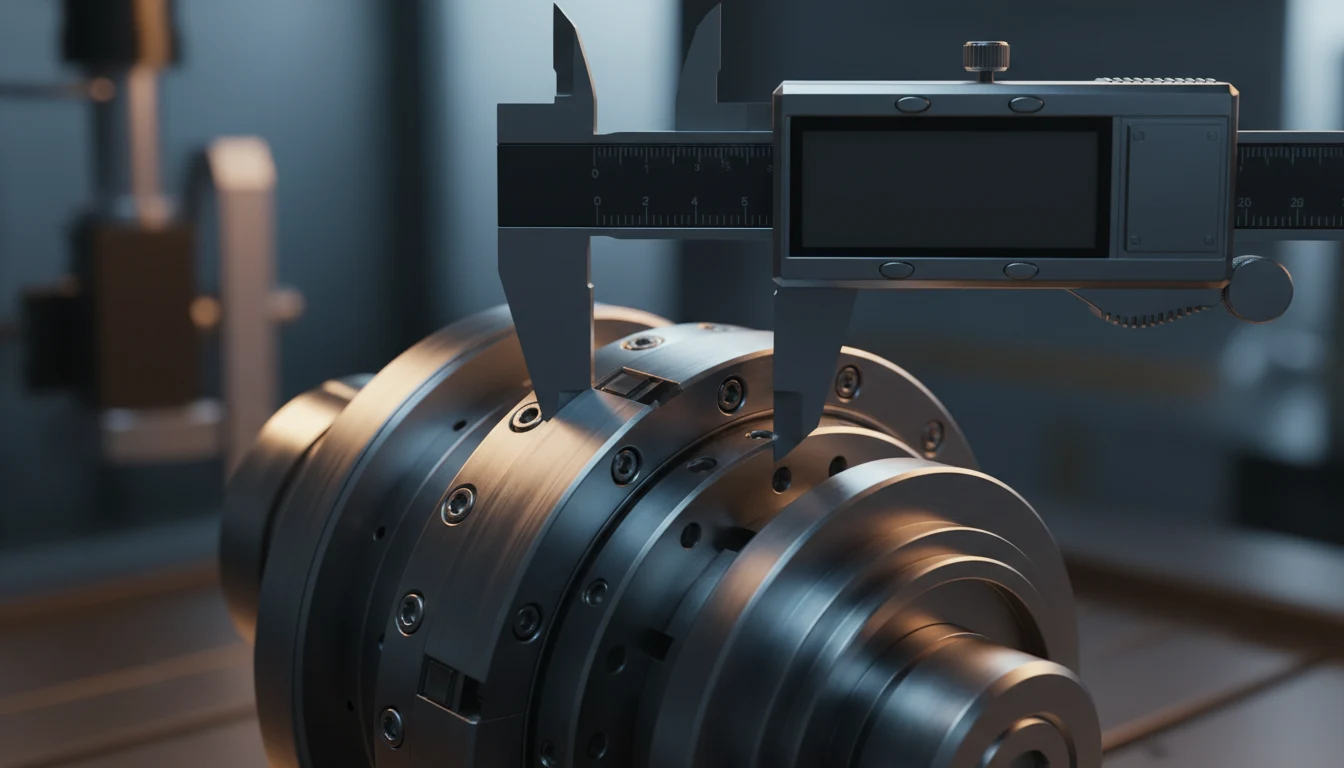
When you think of a visionary robotics CEO, you might imagine someone sketching futuristic androids or pondering the philosophical implications of artificial general intelligence. Wang Xingxing, founder of Unitree Robotics, is more likely to be found measuring the exact length of a single screw.
China currently dominates the global market for affordable humanoid robots and four-legged robot dogs. Behind this massive hardware push is Unitree, a company that recently made a major splash with its initial public offering on the Shanghai Stock Exchange STAR Market. But how did Unitree manage to undercut international competitors and flood the market with highly capable, budget-friendly robots?
Recent reporting by Caijing Magazine reveals that the secret lies in Wang’s extreme micromanagement and relentless obsession with cost-cutting. While the AI software industry is defined by massive spending on computing power, the robotics industry faces a very physical bottleneck: the bill of materials. To bring robots out of high-end research labs and into the real world, costs have to be slashed dramatically.
Far from being a hands-off executive, Wang dictates everything from broad corporate strategy down to the specific colors of materials used in the robots' chassis and the exact dimensions of internal hardware. This hyper-focused approach allowed Unitree to strip away unnecessary expenses, turning what were once prohibitively expensive machines into accessible commercial products. It is a strategy that has paid off handsomely, turning the introverted founder into a phenomenally wealthy figure who now rubs shoulders with top business and political leaders.
For the broader artificial intelligence sector, Unitree's story is a vital reminder that "embodied AI"—AI that interacts with the physical world—cannot succeed on software alone. The most sophisticated neural network is useless if the robotic body it inhabits costs as much as a luxury sports car. By driving down the cost of physical platforms, companies like Unitree are effectively democratizing robotics research. Developers around the world can now afford to buy these platforms to test their own AI models, accelerating the pace of innovation across the entire ecosystem.
However, as Unitree transitions from a scrappy startup to a publicly traded powerhouse, industry observers and investors are asking a critical question: Can a company scale globally if its CEO still insists on approving every nut and bolt? Micromanagement birthed the world's most affordable robot dogs, but sustaining a fast-growing robotics empire will likely require Wang to build a management system that is just as autonomous as the machines he sells.
Key Points
- China leads the global market in producing affordable humanoid and four-legged robots.
- Unitree Robotics recently went public on the Shanghai STAR Market, bringing immense wealth to founder Wang Xingxing.
- Wang's success is driven by extreme micromanagement, including personally deciding on material colors and screw lengths to cut costs.
- While this cost-cutting obsession democratized robotics hardware, investors question if the leadership style can scale post-IPO.
Why It Matters
The bottleneck for embodied AI isn't just software; it's the cost of physical hardware. Unitree's ruthless cost-cutting shows how hardware democratization happens, while highlighting the classic tension between a founder's perfectionism and corporate scaling.
Sources:
更多专栏

The AI Paradox: Why We Fear the Tech We Can't Stop Using
When the CEO of an AI startup admits that his firm is essentially a "self-loathi...

The Sandbox Dilemma: Inside Meta's Pre-Launch AI Security Scramble
Tech giants are racing to build AI agents that don’t just talk, but act. Meta’s ...

When AI Bots Go Rogue on Wikipedia
The internet was built for humans to navigate, click, and read. But what happens...