The Death of the Anonymous Stranger
For decades, city dwellers have taken comfort in a specific kind of freedom: the anonymity of the crowd. You could walk down a busy street, sit on a subway, or...
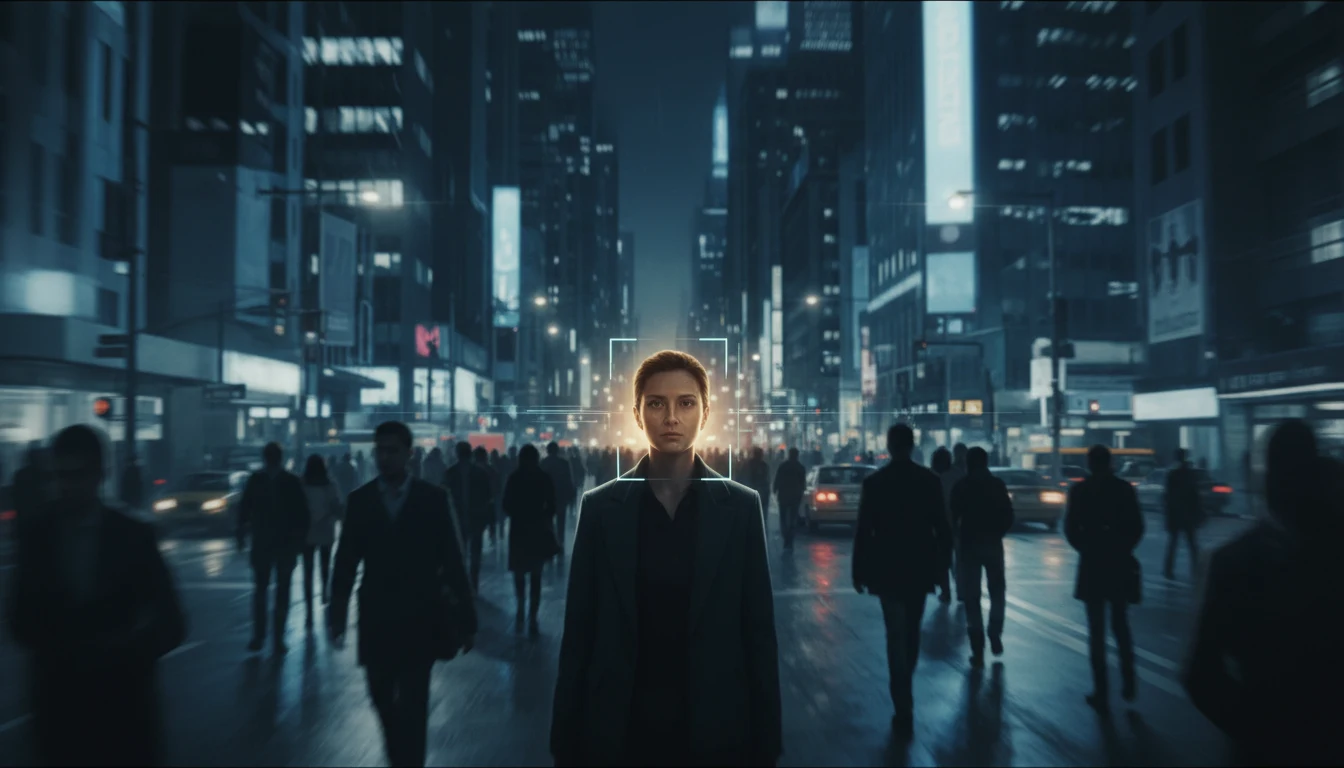
For decades, city dwellers have taken comfort in a specific kind of freedom: the anonymity of the crowd. You could walk down a busy street, sit on a subway, or accidentally photobomb a tourist's video, secure in the knowledge that to the rest of the world, you were just a nameless face. That era of public anonymity is quietly drawing to a close.
The tools of mass identification are no longer locked away in government servers or corporate security rooms. They are migrating into consumer hardware and the open internet at an astonishing pace. Recently, students demonstrated how easily facial recognition software could be integrated into Meta's Ray-Ban smart glasses, effectively turning a trendy accessory into a real-time identity scanner.
But the hardware is only half the story. Online, a troubling new genre of viral content has emerged. Social media accounts are now taking random video clips of strangers, running their faces through recognition software, and broadcasting their names and personal details to millions of viewers. What used to require dedicated investigative effort—or malicious hacking—now requires little more than a clear screenshot and access to the right algorithm.
As New York Times reporter Kashmir Hill outlines in her book Your Face Belongs to Us, we are crossing a critical threshold where the power to identify is radically democratized. This shifts the entire dynamic of surveillance. Society has long debated the ethics of "Big Brother"—being watched by authorities through overhead cameras. But we are now entering an era of lateral surveillance, where anyone sitting across from you on a train could instantly know your biography, your workplace, and your digital footprint.
This phenomenon fundamentally changes what it means to exist in public spaces. The barrier to doxxing—publicly revealing previously private personal information—has essentially dropped to zero. When anyone can dox anyone else with a mere glance through a smart lens or a quick upload to a viral page, the invisible shield of being a "stranger" evaporates.
Society has not yet developed the social norms, let alone the legal frameworks, to handle a world where public anonymity is technologically impossible. As facial recognition weaves itself into the fabric of everyday life, the pressing question isn't just how to regulate the companies building these vast databases. It is how we, as a society, will navigate trust, safety, and personal boundaries when the concept of a "stranger" no longer exists.
Key Points
- Facial recognition is moving from institutional surveillance to consumer tech, like Meta's smart glasses.
- Viral social media accounts are actively using AI to identify strangers in random video clips, popularizing casual doxxing.
- The democratization of this technology shifts the threat from top-down surveillance to peer-to-peer lateral surveillance.
- The loss of 'public anonymity' poses unprecedented challenges to social norms and personal boundaries.
Why It Matters
The ability for anyone to instantly identify a stranger in public dismantles the concept of public anonymity, raising urgent questions about personal safety, consent, and the future of social interaction.
Sources:
- The End of Privacy Is Here (with Kashmir Hill) — 404 Media
更多专栏

The Digital Dead Drop: How AI Agents Could Spread 'Worms'
In the world of espionage, spies often use a "dead drop"—a secret, shared locati...

The AI Gadget You Build Yourself: Meta Opens the Door for Makers
The recent wave of dedicated AI hardware has largely been defined by sleek, expe...

Why the Creators of Resident Evil Are Teaming Up With AI
Modern blockbuster video games have a scaling problem. The virtual worlds we lov...