The Brain Chip Moving Out of the Lab
The global race to commercialize brain-computer interfaces (BCIs) has just crossed a major threshold. While much of the world’s attention has been fixated on...
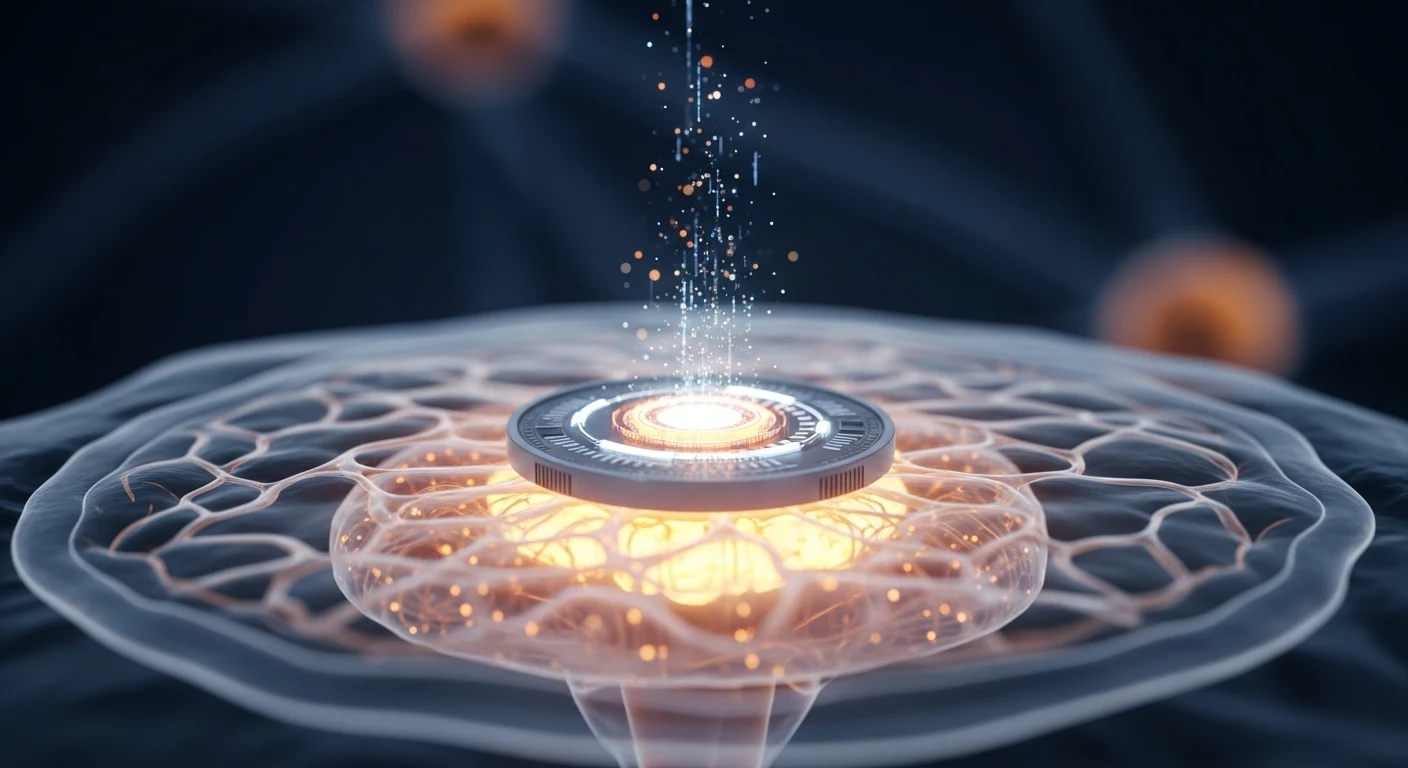
The global race to commercialize brain-computer interfaces (BCIs) has just crossed a major threshold. While much of the world’s attention has been fixated on high-profile ventures like Elon Musk’s Neuralink, a quiet regulatory revolution has culminated in China. A coin-sized implant named NEO has officially become the world’s first invasive BCI product approved for use beyond clinical trials, transitioning this futuristic technology from research labs into real-world healthcare.
Developed by the Shanghai-based startup Neuracle Technology in collaboration with researchers at Tsinghua University, NEO represents a profound shift in how we might treat severe paralysis. To understand its impact, look no further than 39-year-old Dong Hui. Paralyzed from the neck down following a car crash six years ago, Dong became one of the first recipients of the NEO implant during a brief 90-minute surgery.
The technology works by translating his brain signals into actionable commands. During his daily two-and-a-half-hour training sessions, a computer decodes Dong's neural activity and sends instructions to a soft robotic glove. The results have been striking: on just the ninth day of his rehabilitation, Dong managed to grab a ball with his bare hand, without the glove's assistance. After 11 months, he regained enough fine motor control to hold a pen, write his own name, and express his gratitude on paper.
How did NEO navigate the complex regulatory landscape faster than its international competitors? The answer lies in its anatomical approach. Unlike Neuralink’s N1 chip, which directly penetrates the cortex (the brain's outermost tissue), NEO is designed to be relatively less invasive. Its eight sensors are placed entirely on the dura mater—the tough, protective membrane encasing the brain. By avoiding direct puncture of brain tissue, the device significantly lowers the risks of hemorrhage, glial scarring, and long-term signal degradation. This reduced risk profile, combined with an expedited regulatory pathway, smoothed the product's journey to clinical approval.
The commercialization of NEO is not an isolated event but part of a broader, state-backed push. The Chinese government has identified BCIs as one of six critical industries for future technological competitiveness, alongside quantum technology and humanoid robotics. More importantly for patients, steps are already being taken to make the technology accessible. Shortly after its approval, NEO was assigned a unique code within China’s national health insurance system, laying the groundwork for future financial coverage.
Currently, the device is approved for patients aged 18 to 60 who suffer from limb paralysis due to spinal cord injuries but retain some residual arm function. As manufacturing scales up, the focus will shift from proving the technology works to ensuring it can reliably improve daily life. For thousands of individuals living with severe spinal cord injuries, this approval is more than a medical milestone. It is a tangible pathway toward reclaiming independence—offering the profound hope of one day dressing, eating, and living without total reliance on others.
Key Points
- China has approved NEO, the world’s first invasive BCI for commercial clinical use.
- The device sits on the brain's protective membrane (dura mater), offering a safer alternative to cortex-penetrating implants.
- Clinical trials have enabled paralyzed patients to regain fine motor skills, including grabbing objects and writing.
- The technology is being integrated into China's national health insurance system to improve future patient accessibility.
Why It Matters
The transition of BCI technology from experimental trials to approved medical products signals a new era in healthcare, offering tangible independence to patients with severe spinal cord injuries.
Sources:
- China has approved the world’s first invasive brain-computer chip—here’s what’s next — MIT Technology Review - AI
更多专栏

Your Next Coworker is a Blob That Orders Burritos
For decades, enterprise software has been synonymous with sterile dashboards, en...

The Midnight Bill: Why AI Agents Demand Hard Budget Caps
The dream of artificial intelligence is to have a tireless digital assistant wor...

Beyond Transformers: How Mamba is Rewriting the Rules of AI Memory
Think about how a human reads a sprawling, thousand-page fantasy series. You don...