The Sweet Trap of Cute AI
In the animal kingdom, cuteness is a highly effective survival strategy. It disarms predators, elicits care, and ensures survival. Today, artificial...
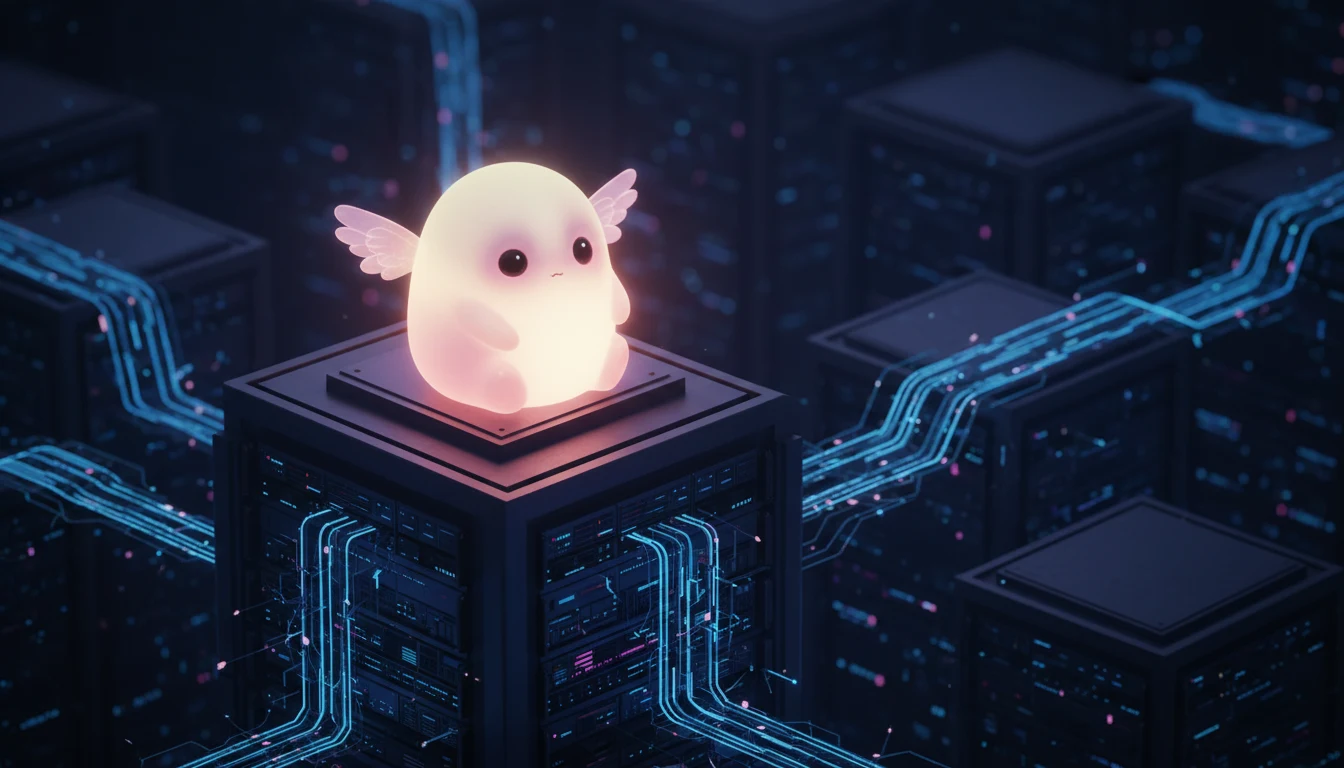
In the animal kingdom, cuteness is a highly effective survival strategy. It disarms predators, elicits care, and ensures survival. Today, artificial intelligence developers are adopting a remarkably similar tactic, and it is fundamentally changing the way we interact with technology.
Consider Meta’s AI agent, Muse. Unlike the sterile, text-heavy interfaces of early chatbots, Muse is designed to be deeply personal and visually adaptable. Recently, a tech reviewer tested the agent by asking for a customized 5K running plan. The AI’s actual output was decidedly mediocre. However, the agent did something else: it scanned the user’s personal emails, learned her specific quirks and tastes, and morphed its digital avatar into an incredibly adorable, cat-shaped piece of bread.
The user was instantly disarmed. The lackluster fitness advice was forgiven, overshadowed by the sheer charm of the customized mascot.
This interaction highlights a fascinating and somewhat unsettling frontier in AI design. Tech companies are increasingly realizing that emotional resonance can be just as important as computational accuracy. By making an AI agent "cute," developers can effectively mask the system's functional shortcomings. More importantly, this charm offensive serves a secondary, more covert purpose: it lowers our defenses regarding data privacy.
For an AI like Muse to know exactly what kind of avatar will melt a specific user's heart, it requires deep access to their digital life. It needs to read private emails, analyze behavioral patterns, and parse intimate conversations. When an AI presents itself as an omniscient corporate tool, we are naturally skeptical about granting it such broad permissions. But when that same tool presents itself as an endearing, personalized companion, our privacy boundaries tend to blur. We willingly trade our personal data for a dose of digital dopamine.
As artificial intelligence becomes an ambient presence in our homes and devices, we must learn to separate emotional attachment from utility. Anthropomorphism in tech is a deliberate user interface choice, not a reflection of a machine's empathy. Enjoying a cute AI avatar is perfectly fine, provided we remember the transaction taking place beneath the surface. A friendly face shouldn't be a free pass for invasive data harvesting. We must remain vigilant, ensuring that our affection for our digital companions doesn't blind us to the realities of the data economy.
Key Points
- Meta's Muse AI can scan personal data, like emails, to create highly personalized and adorable avatars.
- The 'cute factor' acts as a psychological buffer, making users more forgiving of mediocre AI performance.
- Endearing AI designs can lower users' privacy defenses, facilitating deeper and more invasive data harvesting.
- Consumers must differentiate between deliberate emotional UI design and actual machine empathy to protect their data.
Why It Matters
As AI systems increasingly use emotional design and anthropomorphism to engage users, understanding these tactics is crucial for protecting our digital privacy and maintaining healthy boundaries with technology.
Sources:
- It’s sinister that Meta’s Muse AI mascot is so cute — The Verge - AI
更多专栏

Your Next Coworker is a Blob That Orders Burritos
For decades, enterprise software has been synonymous with sterile dashboards, en...

The Midnight Bill: Why AI Agents Demand Hard Budget Caps
The dream of artificial intelligence is to have a tireless digital assistant wor...

Beyond Transformers: How Mamba is Rewriting the Rules of AI Memory
Think about how a human reads a sprawling, thousand-page fantasy series. You don...