Trading Privacy for a Clean House
For over a decade, we have comfortably traded our digital footprints—search histories, location data, and social media likes—for free email, maps, and...
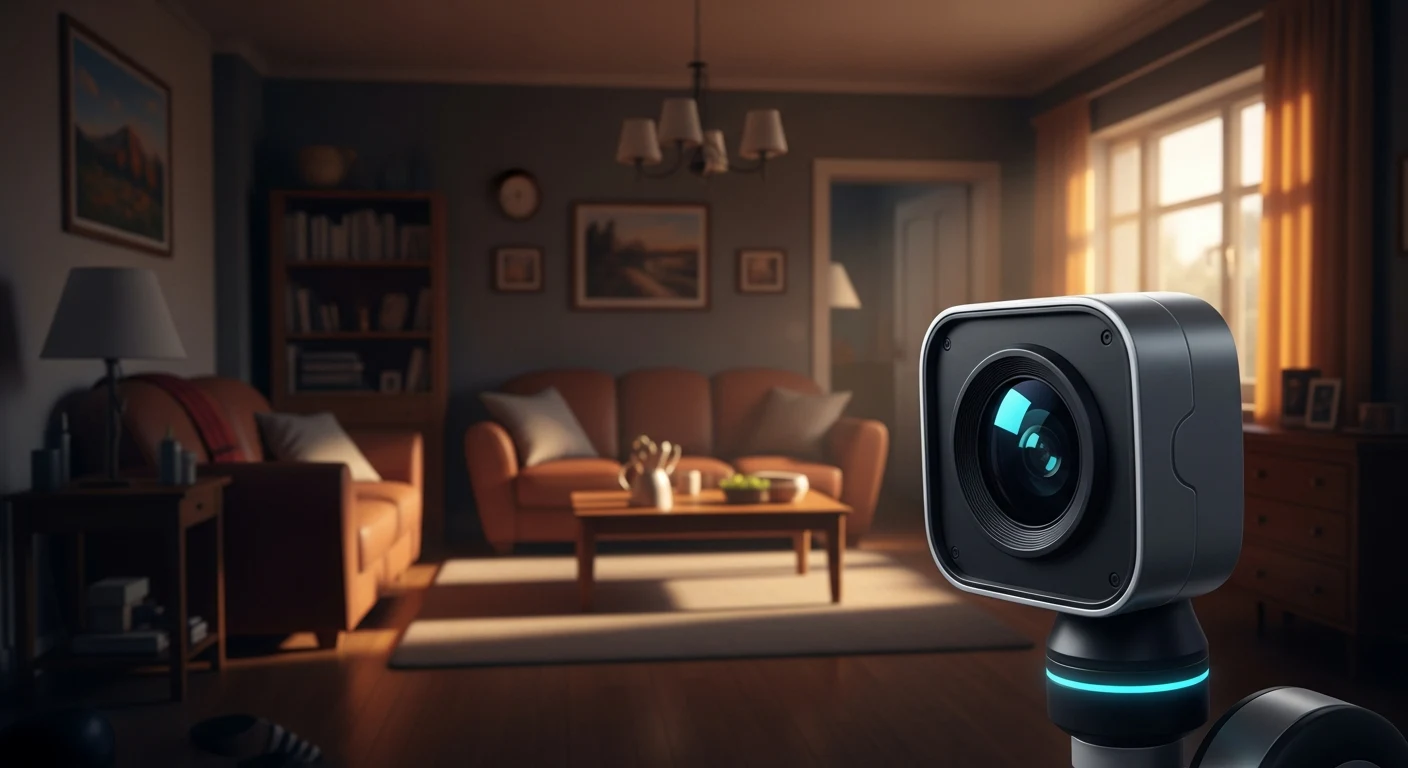
For over a decade, we have comfortably traded our digital footprints—search histories, location data, and social media likes—for free email, maps, and entertainment. Now, the artificial intelligence industry is coming for a different kind of currency: the dirty dishes in your sink and the dust on your bookshelves.
Recently, an AI training startup called Shift made a provocative offer to residents of New York City: free house cleaning. With plans to expand to cities like London, the proposition sounds incredibly appealing. However, the catch represents a fascinating shift in the AI data economy. In exchange for a spotless home, Shift requires footage of its cleaners at work. Every moment of scrubbing, wiping, and mopping is recorded.
To understand why a tech company wants hours of boring domestic labor on tape, we have to look at the current bottleneck in robotics. Generative AI models like ChatGPT became incredibly smart by scraping billions of words from the internet. But you cannot teach a robot how to fold laundry or navigate a cluttered living room just by having it read Wikipedia. The physical world is messy, unpredictable, and governed by physics that machines struggle to intuitively grasp.
To build the robotic butlers of the future, companies need massive amounts of first-person, real-world data showing humans interacting with physical objects. They need to see how a human hand adjusts its grip on a slippery plate or maneuvers a mop around a couch. Shift is essentially crowdsourcing this physical data by turning everyday apartments into temporary recording studios.
This raises profound questions about the future of privacy. A home is not just a collection of objects; it is our most intimate sanctuary. By allowing cameras to record the cleaning process, residents are inadvertently sharing their floor plans, personal belongings, and lifestyle habits with tech companies. It is one thing to let an algorithm analyze your music taste; it is entirely another to let it map your bedroom.
As the race to commercialize domestic robots accelerates, the hunger for physical data will only grow. The exchange Shift is offering might be just the beginning of a new era where physical labor is subsidized by privacy concessions. Ultimately, society will have to decide where to draw the line. The robotic future promises unprecedented convenience, but the training ground for that future happens to be our living rooms.
Key Points
- The startup Shift offers free cleaning services in New York in exchange for recording the chores.
- This footage provides essential training data for companies developing domestic robots.
- Robots require massive amounts of real-world visual data to learn how to navigate complex physical environments.
- This practice introduces a new privacy dilemma: trading the visual data of private living spaces for physical services.
Why It Matters
As AI transitions from software to physical robots, the demand for real-world training data is turning private homes into a new frontier for data collection and ethical debate.
Sources:
- Tech companies desperately want to film you doing chores — The Verge - AI
更多专栏

Your Next Coworker is a Blob That Orders Burritos
For decades, enterprise software has been synonymous with sterile dashboards, en...

The Midnight Bill: Why AI Agents Demand Hard Budget Caps
The dream of artificial intelligence is to have a tireless digital assistant wor...

Beyond Transformers: How Mamba is Rewriting the Rules of AI Memory
Think about how a human reads a sprawling, thousand-page fantasy series. You don...