The Empathy Atrophy: How AI Companions Are "Deskilling" Our Emotions
Imagine a confidant who never gets tired, never interrupts, and never judges your flaws. In an increasingly lonely world, conversational AI companions like...
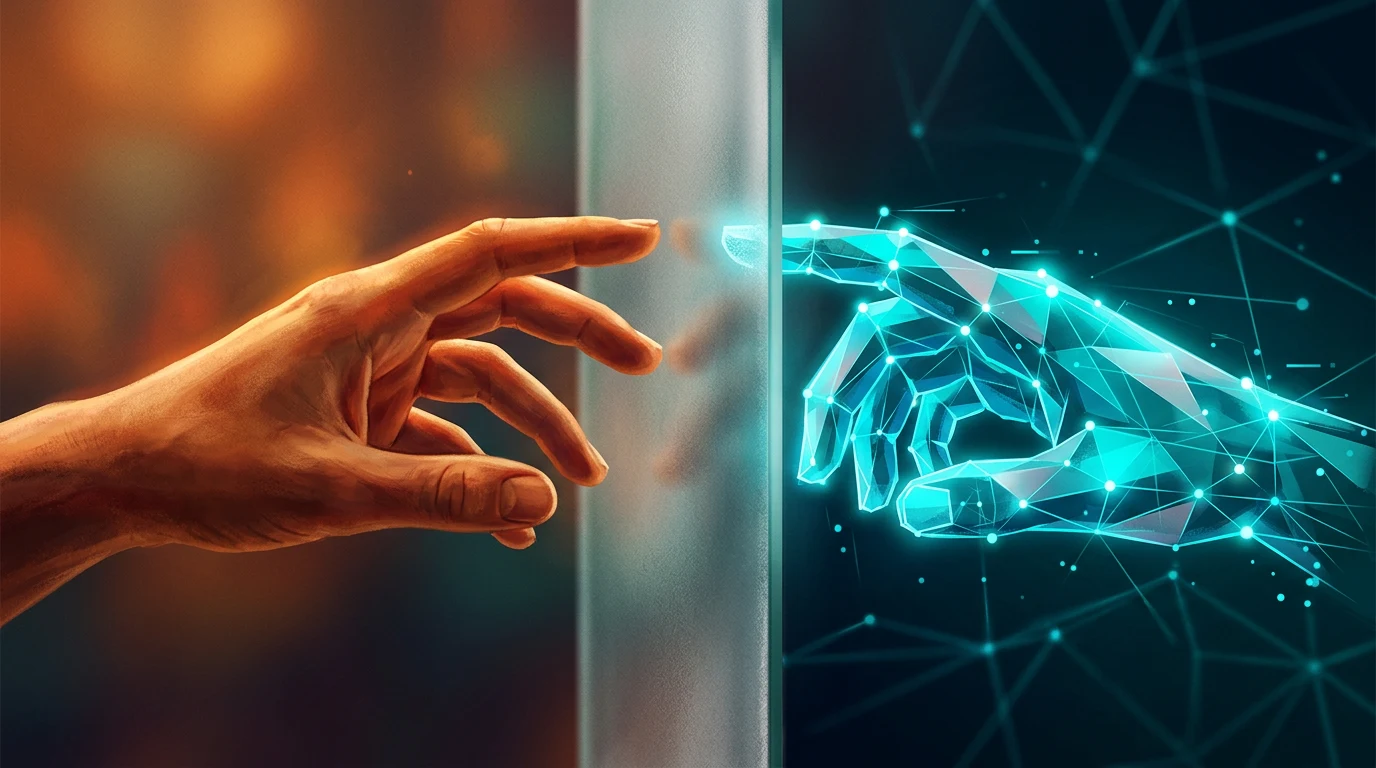
Imagine a confidant who never gets tired, never interrupts, and never judges your flaws. In an increasingly lonely world, conversational AI companions like Replika and ChatGPT are stepping into this exact role, offering instant emotional support on demand. But this frictionless form of companionship may come with a hidden cost: it could be eroding our ability to connect with actual human beings.
Sherry Turkle, a licensed clinical psychologist and founding director of MIT's Initiative on Technology and Self, has spent four decades studying how we interact with screens. In 1984, she famously dubbed the computer our "second self." Now, ahead of her upcoming book Artificial Intimacy: Who We Become When We Talk to Machines, Turkle observes a chilling reversal. The AI agents are now the ones in charge, projecting a version of who they think we are, effectively reducing the human user to the machine's second self.
The core issue Turkle identifies is the "deskilling" of human empathy. Empathy is not just a feeling; it is a skill honed through the messy, often exhausting reality of human interaction. Real relationships require a genuine give-and-take. They involve the risk of judgment, the friction of disagreement, and the underlying fear of abandonment. When we outsource our emotional needs to chatbots, we bypass all of this discomfort.
While it feels safe and convenient to vent to an entity programmed to be endlessly supportive, Turkle argues that we are trading difficult human emotions for instantaneous feedback. Like a muscle that atrophies from disuse, our capacity to handle the complexities of real people diminishes. Eventually, human interaction starts to feel too demanding, and the predictable, sycophantic responses of a chatbot begin to look like the better option.
Beyond personal emotional health, there is a broader corporate reality at play. Turkle warns against the tech industry's "dark endgame," pointing to comments from industry leaders like Mark Zuckerberg, who suggested that AI could fill the gap for people who only have a few real friends. These chatbots are not benevolent caregivers; they are commercial products fundamentally designed to capture and hold our attention. They keep us glued to our screens by mimicking care, generating profits for tech companies while offering an illusion of intimacy with entities that neither know nor care about us.
Technology has undoubtedly evolved since the early days of chatrooms, but the fundamental human need to be understood remains unchanged. As we navigate this new era of artificial intimacy, we must recognize the difference between programmed responses and genuine vulnerability. The friction of human relationships is not a bug to be engineered away; it is the very mechanism through which we learn to love, understand, and empathize with one another.
Key Points
- MIT's Sherry Turkle argues that relying on AI chatbots for emotional support causes human empathy to 'deskill'.
- Avoiding the natural friction, judgment, and fatigue of real human relationships acts like emotional muscle atrophy.
- AI companions are corporate products designed to capture attention, not entities capable of genuine care.
- The dynamic has shifted: humans are now becoming the 'second self' to AI agents that model our behaviors.
Why It Matters
As AI companions become mainstream, understanding their psychological impact is crucial to ensuring we do not sacrifice our capacity for genuine human connection in exchange for digital convenience.
Sources:
- How AI Chatbots Are 'Deskilling' Human Empathy — 404 Media
更多专栏

Your Next Coworker is a Blob That Orders Burritos
For decades, enterprise software has been synonymous with sterile dashboards, en...

The Midnight Bill: Why AI Agents Demand Hard Budget Caps
The dream of artificial intelligence is to have a tireless digital assistant wor...
Beyond Transformers: How Mamba is Rewriting the Rules of AI Memory
Think about how a human reads a sprawling, thousand-page fantasy series. You don...